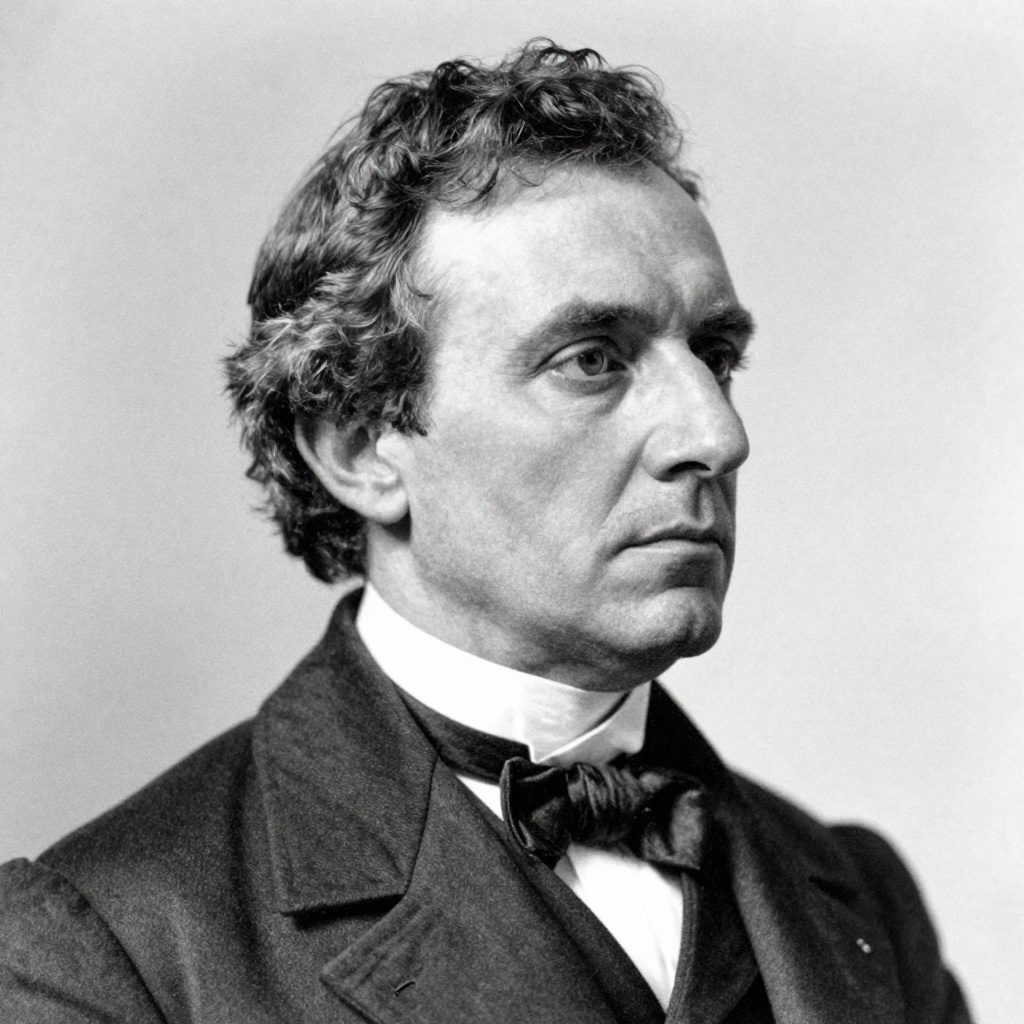
In those parts of the world where learning and science has prevailed, miracles have ceased; but in those parts... — Ethan Allen
In those parts of the world where learning and science has prevailed, miracles have ceased; but in those parts of it as are barbarous and ignorant, miracles are still in vogue.
Author: Ethan Allen
Insight: There's something almost uncomfortably true in this observation, even if we'd phrase it differently today. Allen isn't really making an argument against miracles themselves—he's pointing at how our relationship to unexplained events shifts when we develop better tools to understand the world. When we know how disease spreads, we stop attributing every plague to divine punishment. When we understand physics, we stop seeing the sun's movement as a mystery requiring spiritual explanation. But here's where it gets interesting: this doesn't mean educated people stopped experiencing wonder or believing in things beyond pure mechanism. It just means the miraculous got relocated. Modern skeptics still experience awe—at quantum mechanics, at consciousness itself, at the vastness of what we don't yet know. We've just gotten more careful about where we draw the line between "not yet understood" and "impossible." The real shift isn't from belief to disbelief, but from passively accepting mystery to actively trying to solve it. The uncomfortable part? Allen's logic suggests that wherever genuine scientific literacy hasn't taken hold, people remain more vulnerable to false certainties, superstition, and manipulation. That remains one of education's underrated superpowers: not making you believe less, but teaching you to believe more carefully.