Quote · Added 27 December 2023
Wealth consists not in having great possessions, but in having few wants.
EpictetusThe Philosophy of Epictetus: Golden Sayings and Fragments, p. 87, 2016
Filed underwealth·simplicity·contentment
Quote · Added 27 December 2023
Filed underwealth·simplicity·contentment
We live in a culture obsessed with accumulation—more stuff, higher salary, bigger house. But there's a quiet truth here that cuts against all that noise: you can be wealthy in the most practical sense by simply wanting less. A person with modest income and minimal desires experiences more genuine security than someone earning six figures while constantly chasing the next upgrade. The math is simple but rarely discussed.
What makes this tricky in real life is that wants aren't just personal choices. Marketing, social comparison, and the people around us constantly whisper that we need things we didn't know existed five minutes ago. So this isn't about deprivation or rejecting all desire—it's about noticing which wants are actually yours versus which ones you've inherited from the world around you.
The surprising part? Reducing wants often feels easier than increasing income, yet we spend most of our energy on the latter. A deliberate decision to stop upgrading your phone every two years or to wear the same ten outfits can genuinely shift how secure and free you feel. Epictetus was writing about philosophy, but he accidentally described a kind of wealth that actually compounds over time and costs almost nothing to build.
50–135·lived 85 years
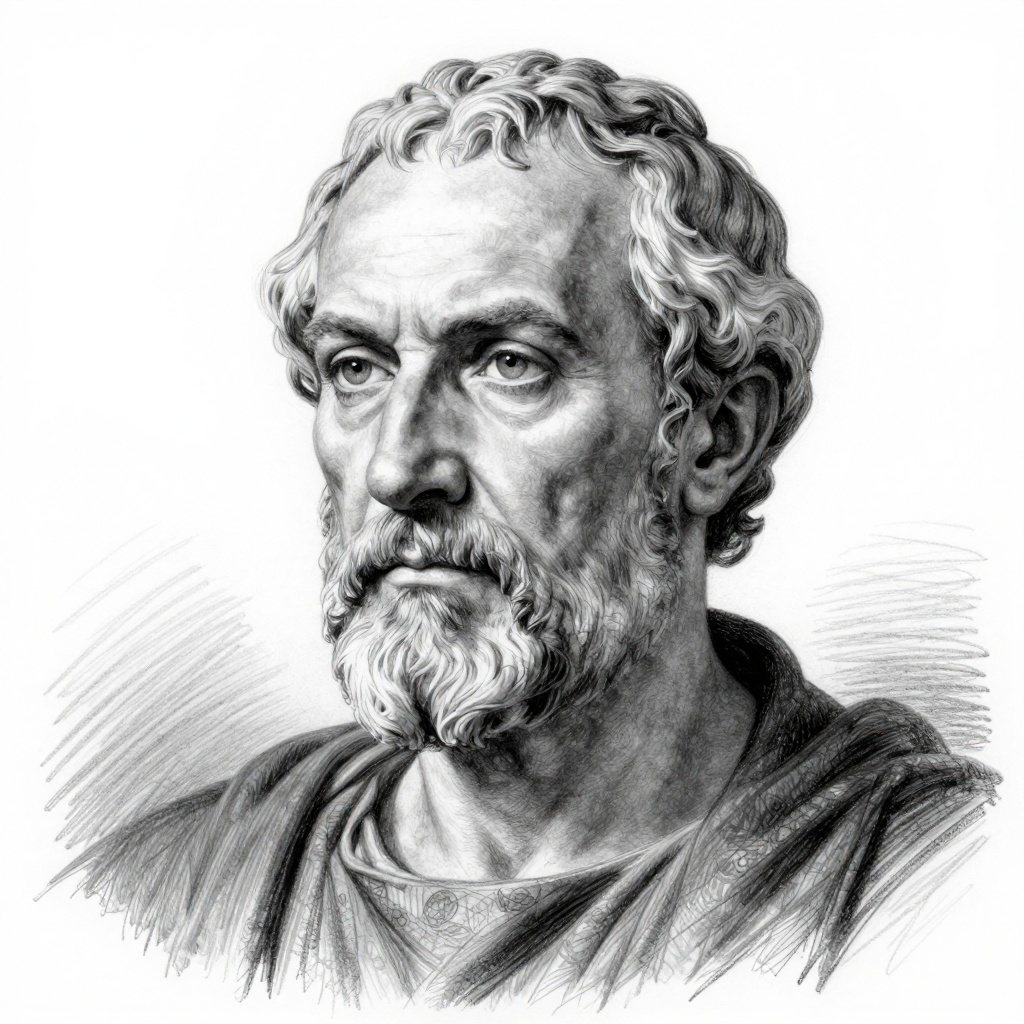
Epictetus was a Greek philosopher born around 50 AD. He was known for his teachings on Stoicism, emphasizing personal ethics, self-control, and resilience in the face of adversity. Epictetus's lectures were compiled by his student Arrian into the "Discourses," which have had a lasting impact on Western philosophy.
Comments