Quote · Added 10 February 2026
The key is to keep company only with people who uplift you, whose presence calls forth your best.
EpictetusDiscourses, Book 3, That we ought with caution to enter into familiar intercourse with men, 2002
Quote · Added 10 February 2026
Most of us spend way too much time thinking we need to be loyal to people who drain us. We stay in friendships where we're always the one reaching out, or we keep showing up for people who never quite show up for us. There's this guilt that comes with letting those relationships fade, like we're being selfish or unfaithful. But Epictetus is pointing at something real: the people around you literally shape who you become, not through lectures or advice, but through who you feel called to be in their presence.
Think about how different you are with different people. Around some folks, you're sharper, kinder, more honest. Around others, you get smaller—more defensive, more cynical, less yourself. That's not weakness. It's just how human beings work. The person who makes you want to be better isn't necessarily the one criticizing you most; they're usually the one who believes you're capable of more and treats you accordingly.
The tricky part is that this isn't about surrounding yourself with constant cheerleaders or people just like you. It's about intentionality. Who gets your time? Whose voice do you hear in your head when you're making decisions? Those handful of people are basically setting the ceiling for who you can become. That's worth protecting.
50–135·lived 85 years
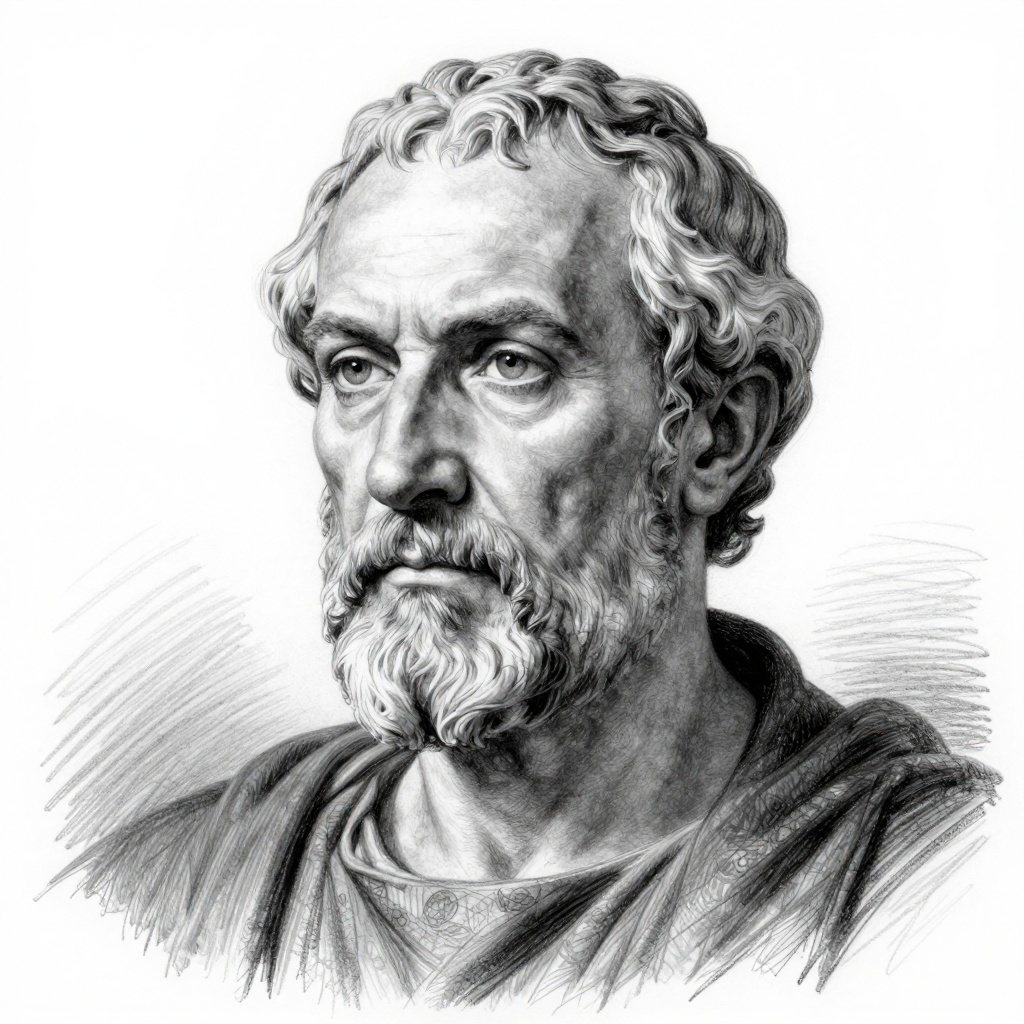
Epictetus was a Greek philosopher born around 50 AD. He was known for his teachings on Stoicism, emphasizing personal ethics, self-control, and resilience in the face of adversity. Epictetus's lectures were compiled by his student Arrian into the "Discourses," which have had a lasting impact on Western philosophy.
Comments