Quote · Added 10 February 2026
It's not what happens to you, but how you react to it that matters.
EpictetusThe Enchiridion, Ch. 5
Filed underreaction·perspective·resilience
Quote · Added 10 February 2026
Filed underreaction·perspective·resilience
Life has a way of handing us situations we didn't choose—a job loss, a difficult conversation, a health scare. The thing is, we often spend so much energy wishing the event hadn't happened that we miss the one place we actually have power: our response. The gap between what occurs and what we do about it is where your real agency lives.
This isn't about toxic positivity or pretending bad things are good. It's simpler and harder than that. Two people can experience the same setback and end up in completely different places, not because one got luckier, but because one interpreted it as temporary and one as permanent, or one reached out and one retreated. Your reaction cascades outward—it shapes what you do next, who you talk to, whether you learn something or just feel sorry for yourself.
What makes this insight quietly powerful is that it moves the locus of control from the world (which you can't manage) to yourself (which you can, at least somewhat). You won't always feel like reacting well in the moment, and that's human. But the awareness that you have a choice—even if it's a difficult one—is itself liberating.
50–135·lived 85 years
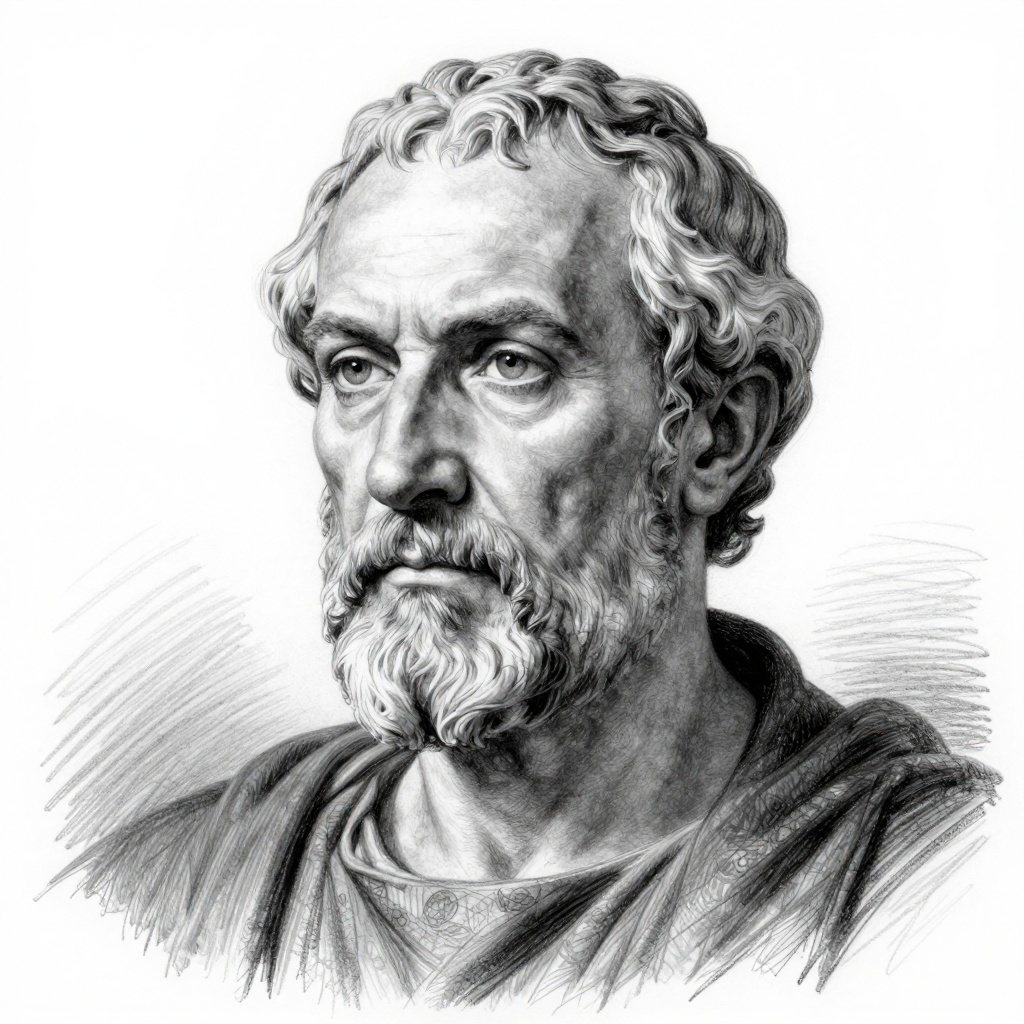
Epictetus was a Greek philosopher born around 50 AD. He was known for his teachings on Stoicism, emphasizing personal ethics, self-control, and resilience in the face of adversity. Epictetus's lectures were compiled by his student Arrian into the "Discourses," which have had a lasting impact on Western philosophy.
Comments