Quote · Added 15 February 2026
Explore
Reading
AI generatedConfidence closes the door to learning
There's a particular blindness that comes with confidence. When you're pretty sure you understand something—how to parent, how relationships work, how your own mind functions—you stop looking closely. You've filed it away as settled. This closes off the very thing that could deepen your understanding: genuine curiosity and the willingness to be surprised.
The tricky part is that this isn't really about stupidity or arrogance, at least not always. It's about how the brain works. Once we form a belief, we naturally filter new information through it, dismissing what doesn't fit and reinforcing what does. A parent who thinks they already know why their teenager is withdrawn might miss the real reason. Someone convinced they're "bad at math" won't actually absorb the clear explanation when it finally comes. We protect our existing maps of the world instead of updating them.
The invitation here isn't to become uncertain about everything. It's to notice those moments when you feel most sure—that's often where your actual learning edge lives. The willingness to think "maybe I don't fully understand this" is what transforms experience into wisdom. It's not weakness; it's the only real opening you have.
The author
All 32 quotes by Epictetus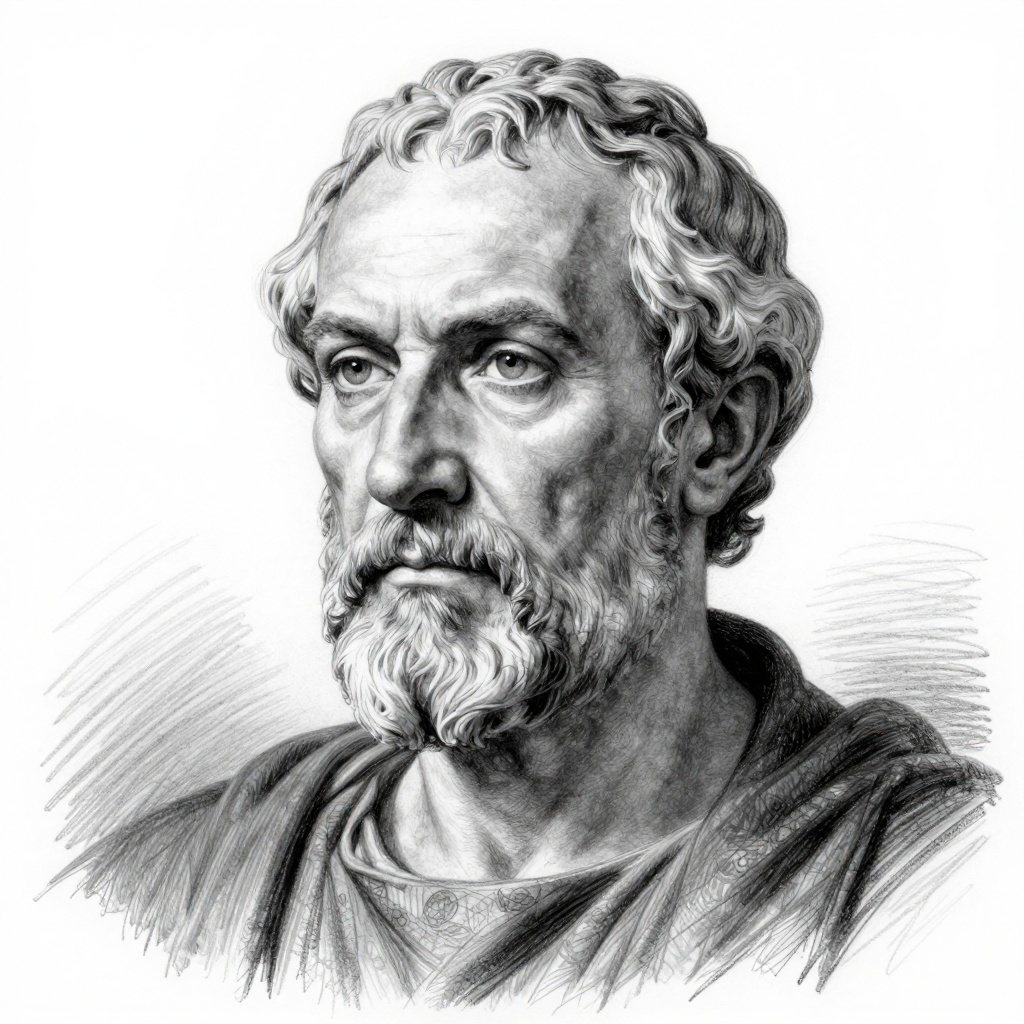
Epictetus
50–135·lived 85 years
Epictetus was a Greek philosopher born around 50 AD. He was known for his teachings on Stoicism, emphasizing personal ethics, self-control, and resilience in the face of adversity. Epictetus's lectures were compiled by his student Arrian into the "Discourses," which have had a lasting impact on Western philosophy.
Comments