Quote · Added 14 February 2026
Imagine for yourself a character, a model personality, whose example you determine to follow, in private as well as in public.
Epictetus' — The Socratic Method
Quote · Added 14 February 2026
We spend so much energy managing how we appear to others—the version of ourselves we project at work, on social media, in front of family. But here's the thing: that split between our public and private selves is exhausting precisely because it requires constant policing. Epictetus is suggesting something different: pick a character you genuinely admire and let that become your actual operating system, not just a mask you wear when people are watching.
The power of this approach is that it collapses the gap. When you have a real internal standard—based on someone whose integrity you respect—you stop needing to perform. Your behavior becomes consistent because you're not constantly asking "What should I do here?" but rather "What would this person I'm modeling do?" It's like having a north star that works in both the grocery store and the board room.
The non-obvious part: this isn't about rigid conformity. You're not becoming someone else. You're choosing which parts of which people inspire you, then weaving those into who you actually are. It's why mentorship works, why certain friendships elevate us, why reading biography matters. We're not born knowing how to be; we learn by watching others navigate the same messy choices we face.
50–135·lived 85 years
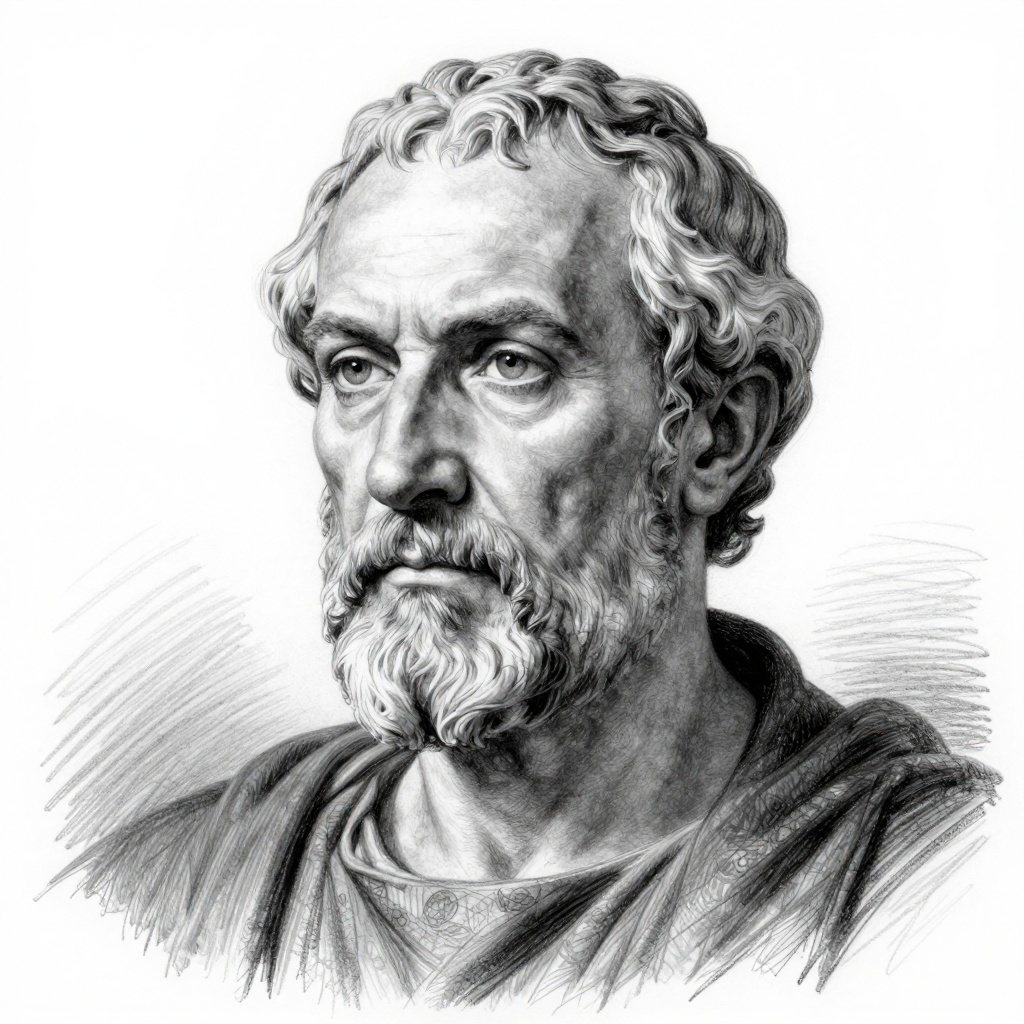
Epictetus was a Greek philosopher born around 50 AD. He was known for his teachings on Stoicism, emphasizing personal ethics, self-control, and resilience in the face of adversity. Epictetus's lectures were compiled by his student Arrian into the "Discourses," which have had a lasting impact on Western philosophy.
Comments