Quote · Added 14 February 2026
God has entrusted me with myself.
EpictetusDiscourses, Book 1, 2008
Quote · Added 14 February 2026
There's something quietly radical in this ancient Stoic idea. We often treat ourselves like we're something we need to apologize for—our bodies, our quirks, our capacity to mess up. We worry about disappointing others or not measuring up. But Epictetus flips this: the version of you that exists right now is something sacred that's been placed in your care. You're not failing at being someone else; you're responsible for stewarding yourself.
This hits differently when you're struggling with how to spend your time, whether to push back on people's demands, or when you're torn between what you think you should want and what actually matters to you. If your one self is a trust, then neglecting it isn't humility—it's betrayal. Saying no to things that drain you, choosing work that aligns with your values, taking care of your health, being honest about your limits—these become acts of honoring something entrusted to you, not selfishness.
The non-obvious part: this framework makes you less dependent on external validation. You're not trying to prove yourself worthy to others or to some imagined perfect version of yourself. You're just tending to what you've actually been given. That shift alone changes how you make decisions and what you let stress you out.
50–135·lived 85 years
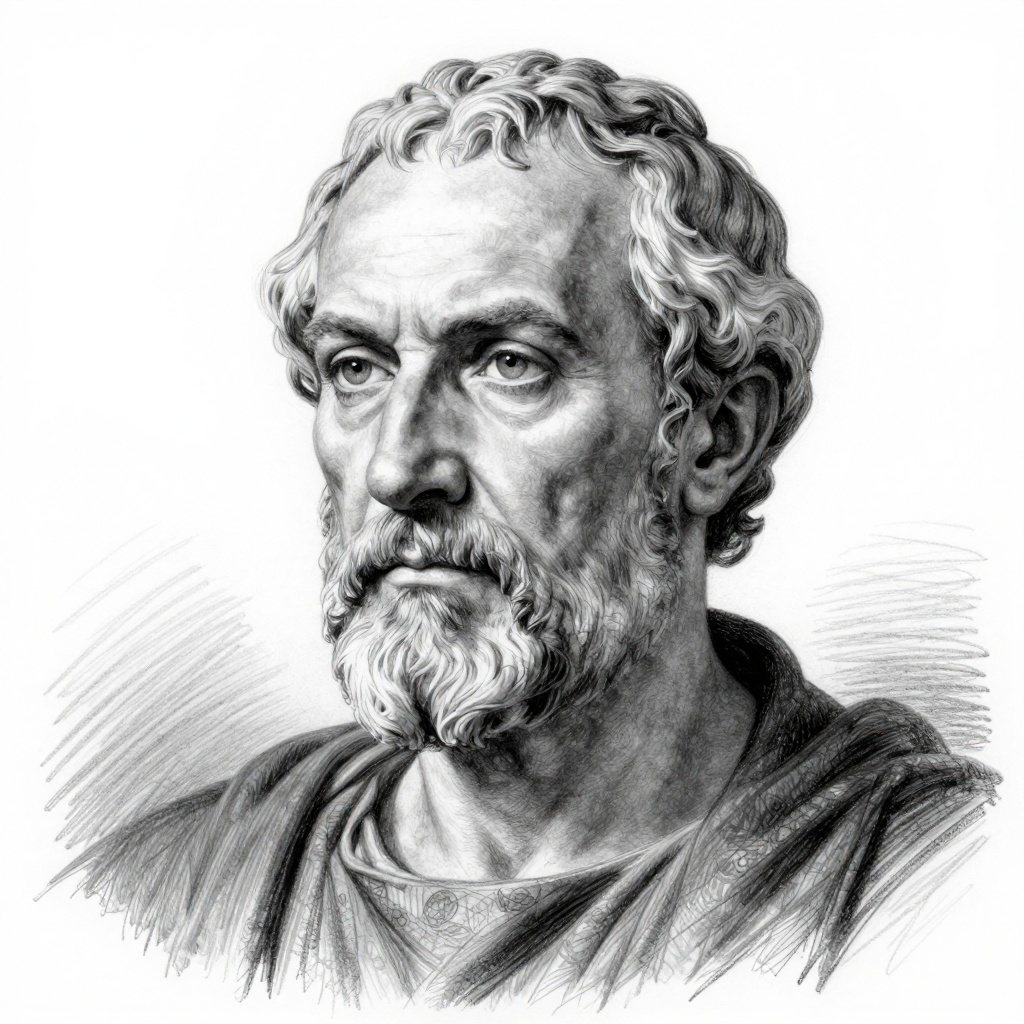
Epictetus was a Greek philosopher born around 50 AD. He was known for his teachings on Stoicism, emphasizing personal ethics, self-control, and resilience in the face of adversity. Epictetus's lectures were compiled by his student Arrian into the "Discourses," which have had a lasting impact on Western philosophy.
Comments