Quote · Added 22 October 2023
First learn the meaning of what you say, and then speak.
EpictetusDiscourses - 108
Filed underlanguage·understanding·wisdom
Quote · Added 22 October 2023
Filed underlanguage·understanding·wisdom
We live in a world where words move at lightning speed—texts, tweets, takes fired off before the thought is fully formed. But Epictetus is pointing at something we've probably all regretted: the gap between the words that leave our mouth and what we actually mean. It's not just about avoiding mistakes, though that matters. It's about the strange disconnect between our impulse to speak and our actual understanding.
Think about arguments where you suddenly realize mid-sentence you don't fully know what you're arguing. Or how differently a conversation goes when you pause and actually know what you believe versus when you're just reacting. This advice is almost radical now because it asks us to do something harder than speaking: it asks us to think first.
The non-obvious part? Learning what you mean doesn't always mean you already know. Sometimes you have to say something—or nearly say it—before clarity hits. But Epictetus is challenging us to do that internal work before we speak, to own our words instead of letting them own us. It's a small discipline that changes how people experience you and how you experience yourself.
50–135·lived 85 years
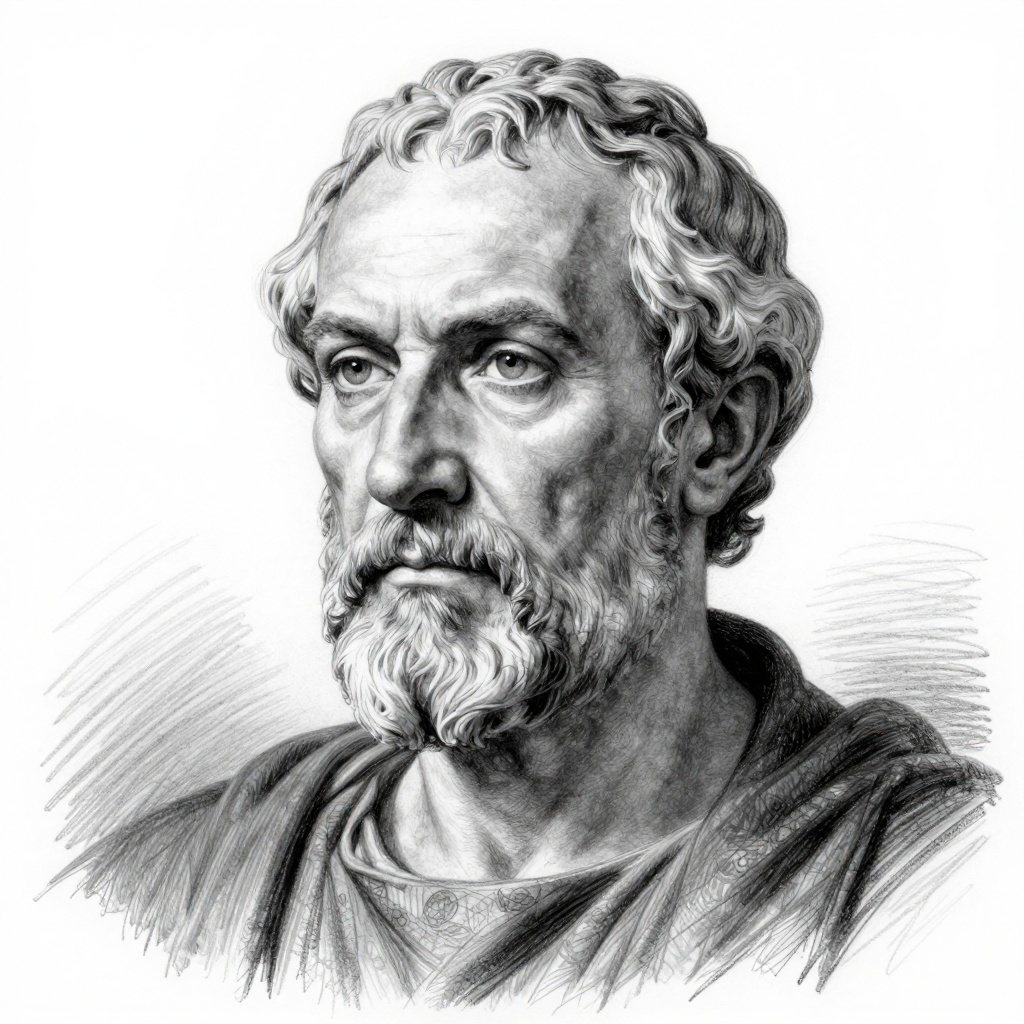
Epictetus was a Greek philosopher born around 50 AD. He was known for his teachings on Stoicism, emphasizing personal ethics, self-control, and resilience in the face of adversity. Epictetus's lectures were compiled by his student Arrian into the "Discourses," which have had a lasting impact on Western philosophy.
Comments