Quote · Added 23 September 2023
Circumstances don't make the man, they only reveal him to himself.
EpictetusDiscourses, Book 1, How we should struggle with circumstances
Filed undercircumstances·self-discovery·identity
Quote · Added 23 September 2023
Filed undercircumstances·self-discovery·identity
We like to think that tough circumstances are what create who we are—that pressure forges character. But Epictetus suggests something almost unsettling: crisis doesn't build you from nothing. It just turns up the volume on what's already there. The person who acts with courage under fire wasn't made courageous by that fire; they discovered they already had it. The person who panics or abandons their values wasn't broken by the situation; the situation simply made visible what was already lurking beneath.
This distinction matters because it moves responsibility closer to home. You can't blame your surroundings for revealing pettiness or selfishness you didn't know you had—the surroundings just held up a mirror. But it also means you don't have to wait for the "right conditions" to become someone better. The version of yourself you want to be isn't locked away, waiting to emerge under perfect circumstances. In small choices, quiet moments, and ordinary days, you're already revealing who you actually are. The real question is whether you like what's showing.
50–135·lived 85 years
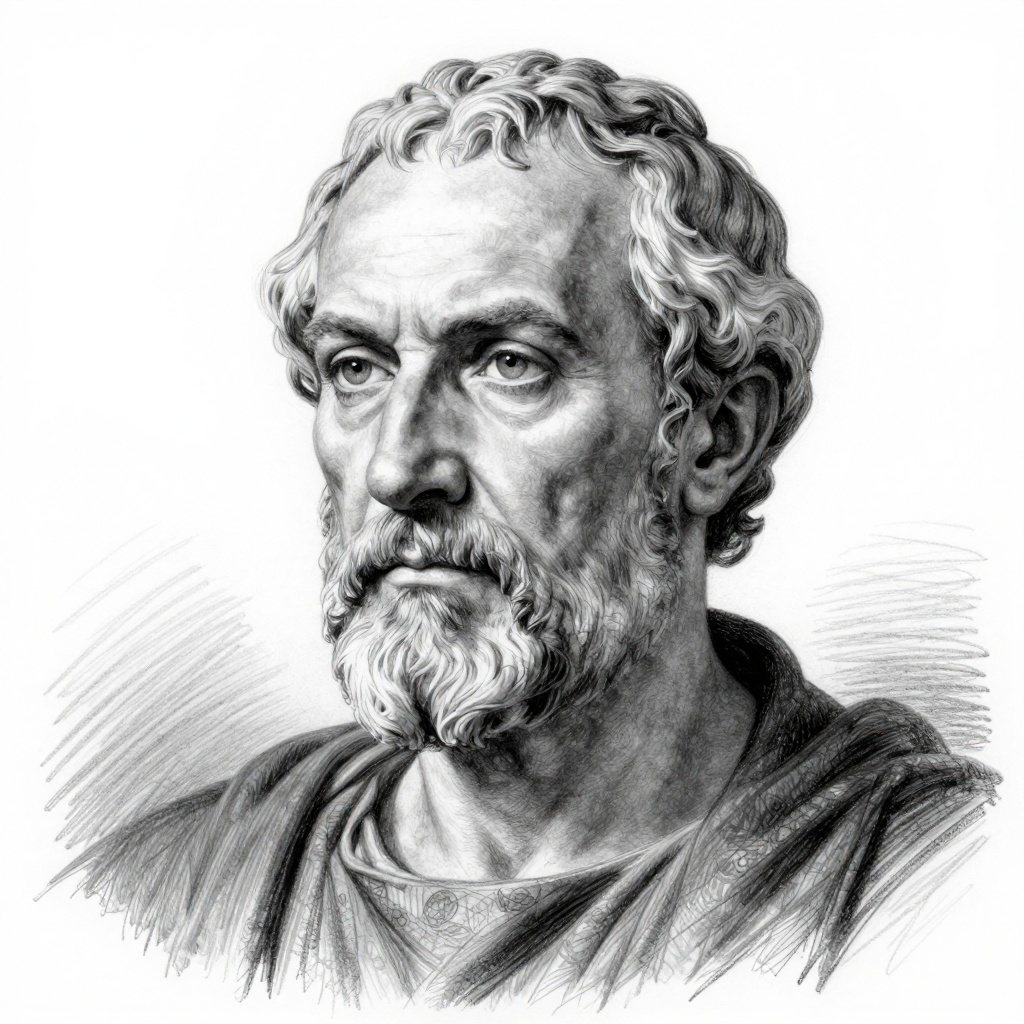
Epictetus was a Greek philosopher born around 50 AD. He was known for his teachings on Stoicism, emphasizing personal ethics, self-control, and resilience in the face of adversity. Epictetus's lectures were compiled by his student Arrian into the "Discourses," which have had a lasting impact on Western philosophy.
Comments