Quote · Added 23 January 2026
Books are the training weights of the mind.
EpictetusThe Discourses
Quote · Added 23 January 2026
When you lift weights, your muscles don't just get stronger—they develop the capacity to handle heavier loads later. Books work the same way on your thinking. They force you to follow complex arguments, hold multiple ideas in tension, imagine unfamiliar worlds, and sit with uncertainty. That mental strain is exactly the point. You're building cognitive endurance.
What's interesting is how this applies even when you forget what you've read. The specific plot points fade, but something deeper remains—a flexibility in how you approach problems, a larger vocabulary of human experience to draw from, a tolerance for nuance that makes you harder to manipulate. Someone who reads widely thinks differently, not necessarily because they remember facts, but because their mind has been exercised in considering perspectives that aren't their own.
In a world built on soundbites and algorithmic feeds designed to confirm what you already believe, that training matters more than ever. Books demand something we're increasingly trained to resist: sustained attention on someone else's logic. They're not efficient the way a TikTok is efficient. That inefficiency, that resistance, is what makes them valuable.
50–135·lived 85 years
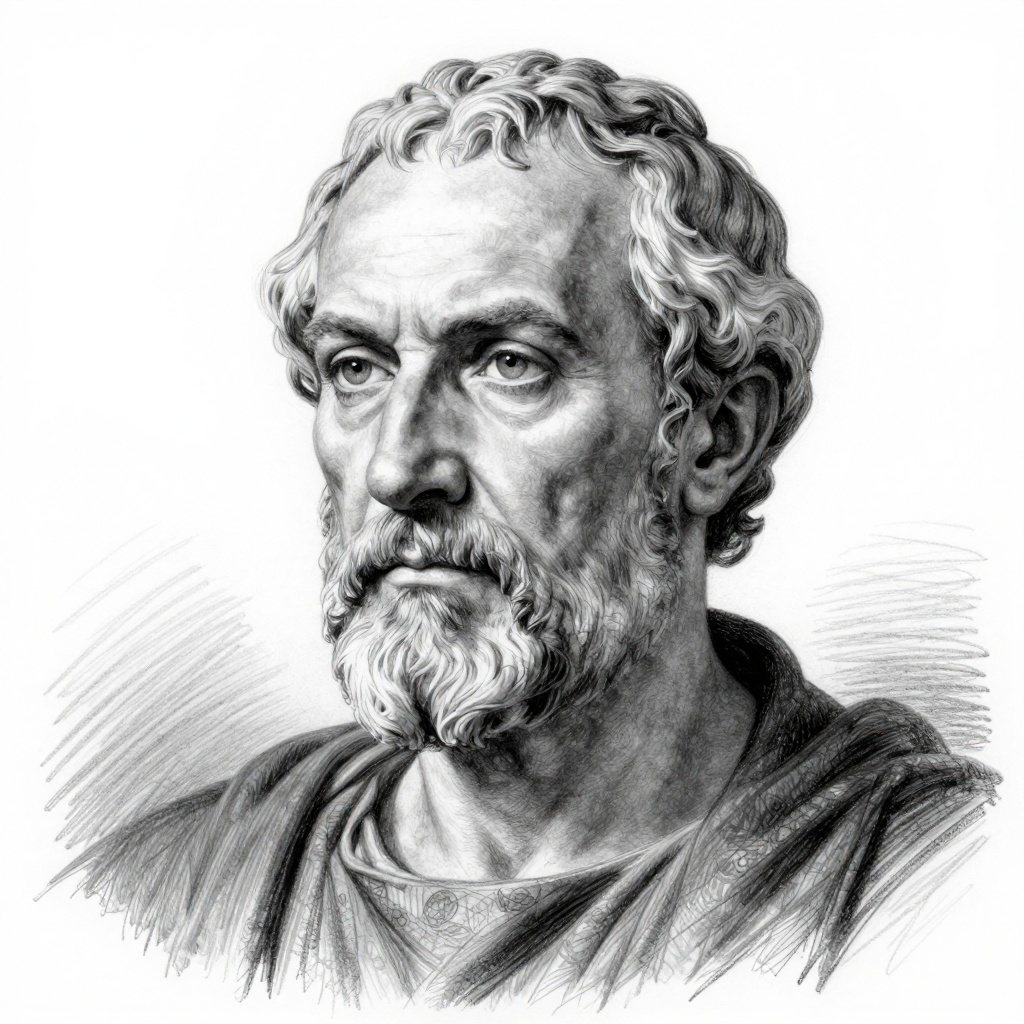
Epictetus was a Greek philosopher born around 50 AD. He was known for his teachings on Stoicism, emphasizing personal ethics, self-control, and resilience in the face of adversity. Epictetus's lectures were compiled by his student Arrian into the "Discourses," which have had a lasting impact on Western philosophy.
Comments