Quote · Added 18 April 2024
Any person capable of angering you becomes your master.
EpictetusEnchiridion, Chapter 20
Quote · Added 18 April 2024
We all know someone who has this power over us—maybe a coworker who says something cutting and ruins your whole afternoon, or a family member who can flick a switch in you with barely any effort. What's interesting is that we usually think of mastery as something external, something imposed on us. But this quote flips it: you're actually handing over the keys yourself every time you let someone's words or actions determine your mood.
The tricky part is that anger feels justified. It feels like the other person made you feel that way, so naturally they deserve your reaction. But Epictetus is pointing out a hard truth: the moment you need them to change in order for you to feel okay, they've got leverage over you. They don't even have to know it. You've given them the job of managing your emotional state, and now you're waiting around for them to finally do it right.
This doesn't mean you should never feel angry—anger has its place. But there's a difference between experiencing anger and being controlled by it. The real freedom isn't about never getting upset; it's about recognizing when you've handed someone else the remote to your internal weather. Once you see it happening, you get to decide: do I want to give them that much control, or do I want my peace back?
50–135·lived 85 years
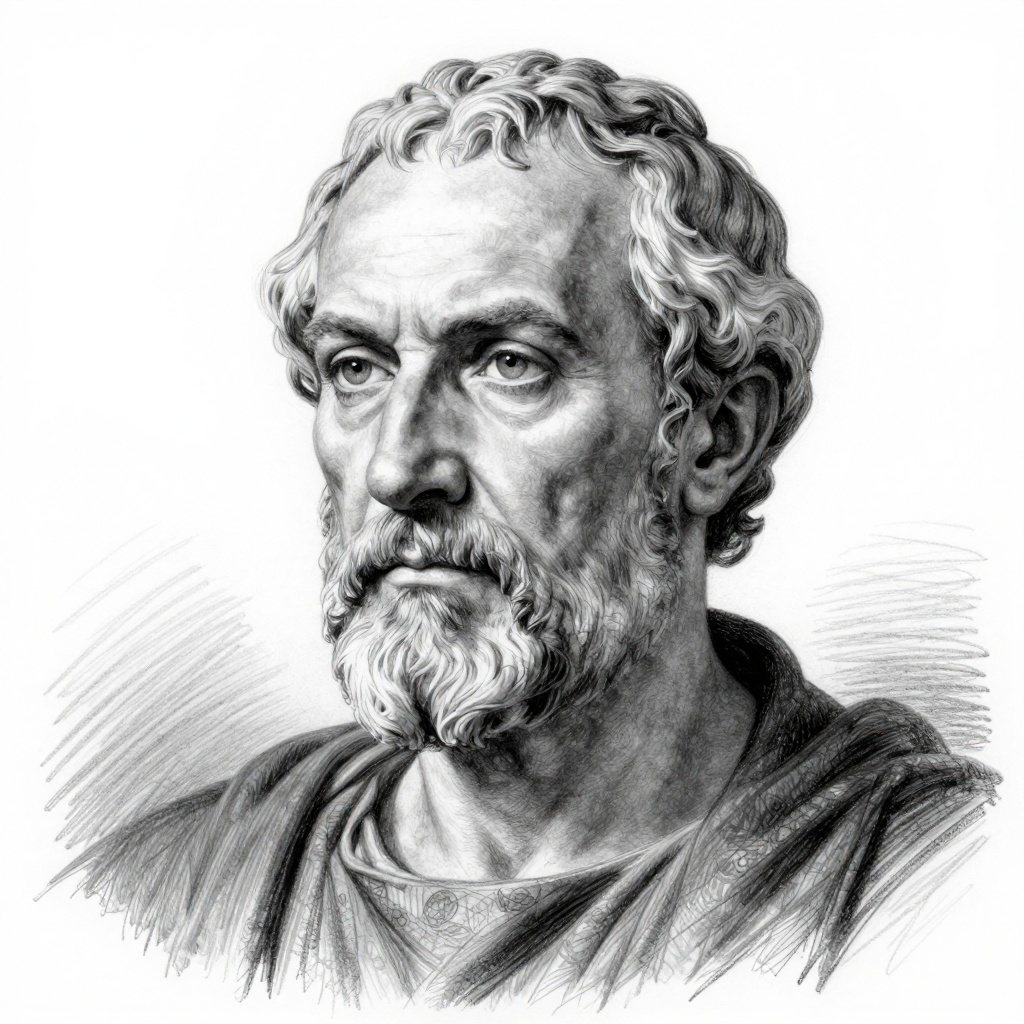
Epictetus was a Greek philosopher born around 50 AD. He was known for his teachings on Stoicism, emphasizing personal ethics, self-control, and resilience in the face of adversity. Epictetus's lectures were compiled by his student Arrian into the "Discourses," which have had a lasting impact on Western philosophy.
Comments