Quote · Added 9 February 2026
How strange that nature does not knock, and yet does not intrude!
Emily DickinsonDickinson/Cooper Correspondence, Letter 510, about 1877
No ratings yet
Quote · Added 9 February 2026
Nature has a way of being everywhere at once without demanding your attention. Rain falls on your roof whether you notice it or not. Sunlight streams through your window whether you're paying attention or scrolling your phone. A bird sings outside whether you hear it as music or just background noise. There's something almost polite about this—nature simply exists in its fullness, available to anyone who bothers to look, yet it never forces itself on you.
This distinction matters more now than perhaps Dickinson realized. In a world of constant notifications and designed interruptions, nature remains one of the few things that won't sell you something or demand a reaction. You can ignore the flowers blooming in your neighborhood for weeks and they bloom anyway. But here's the strange part: that gentleness is actually what makes nature intrude so deeply when we finally do notice. A single moment of real attention to the natural world—really watching clouds move or listening to rain—can feel more vivid than hours of curated experiences demanding our focus.
The real insight isn't that nature is passive. It's that true presence doesn't require pushing. When you stop looking for nature to announce itself, you realize it's been there all along, waiting for you to join it.
1830–1886·lived 55 years
Emily Dickinson was an American poet known for her unique and concise style of writing. She lived from 1830 to 1886 and is recognized as one of the most important and influential poets in American literature. Despite living a reclusive life, her poetry explored themes of nature, love, death, and immortality.
Also by Emily Dickinson
I wish you a kinder sea.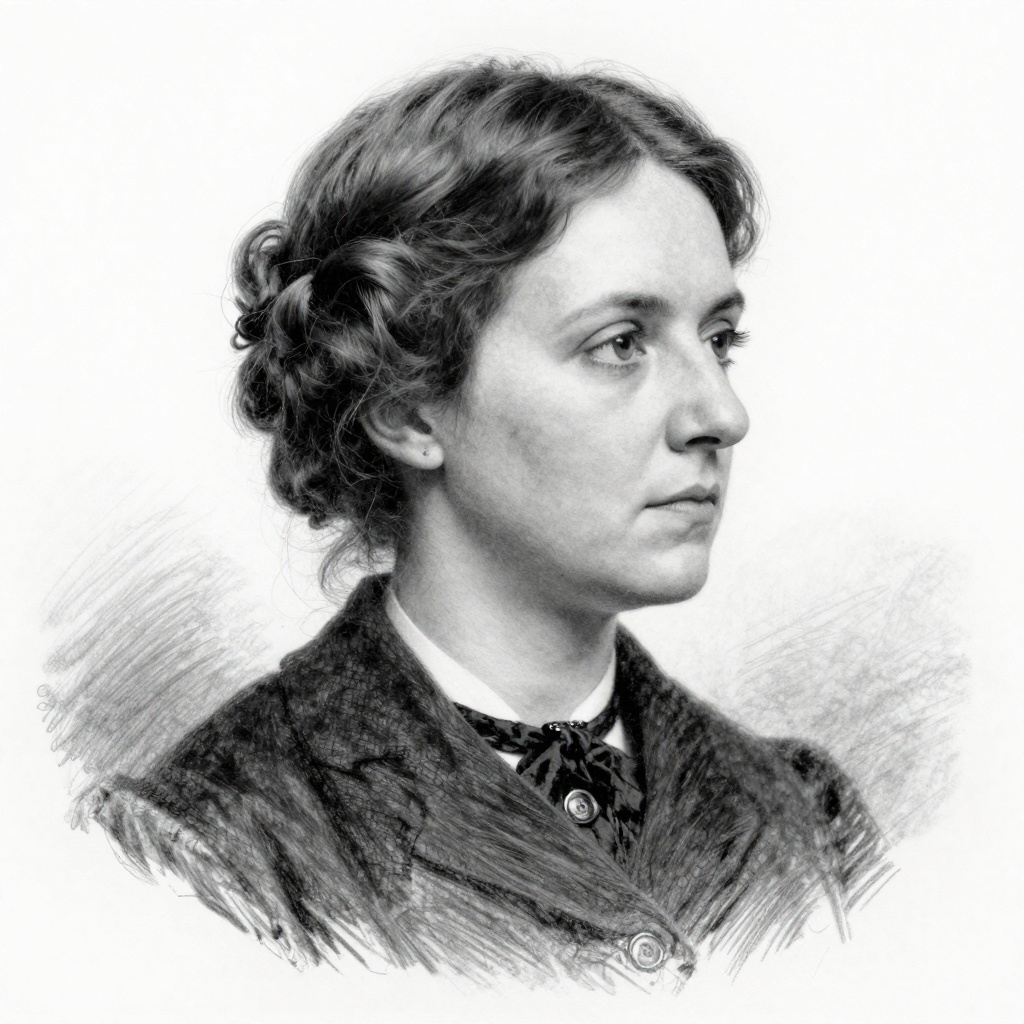
Comments