Quote · Added 19 February 2026
Many a man's reputation would not know his character if they met on the street.
No ratings yet
Filed underreputation·character·identity
Quote · Added 19 February 2026
Filed underreputation·character·identity
We've all known someone whose public image bears almost no resemblance to who they actually are in private. The colleague who seems endlessly confident in meetings but goes home exhausted and uncertain. The friend everyone envies for having it all together, but who confesses their real struggles only to you. We live in an age where this gap has only widened—where reputation is something we curate and manage, often intentionally polishing away the messy, contradictory parts of ourselves.
What makes this observation sting a little is recognizing it in ourselves. We perform versions of ourselves constantly, and after years of the same performance, we might genuinely wonder which version is real. The reputation we've built—successful, put-together, principled—can become so separate from our actual character that we're almost living dual lives. We're not necessarily being dishonest, but we are being selective in ways that sometimes protect us from real connection.
The quiet insight here is that this gap matters. A good reputation might get you opportunities and goodwill, but your character determines what you actually do with them, and who you become when no one's watching. One fades with circumstance; the other shapes your life.
1856–1915·lived 58 years
Elbert Hubbard was an American writer, publisher, and artist, best known for his founding of the Roycroft artisan community in East Aurora, New York. He was a leading figure in the Arts and Crafts Movement, and his most famous work is the essay "A Message to Garcia." Hubbard died in 1915 aboard the RMS Lusitania, which was torpedoed by a German U-boat during World War I.
Also by Elbert Hubbard
The love we give away is the only love we keep.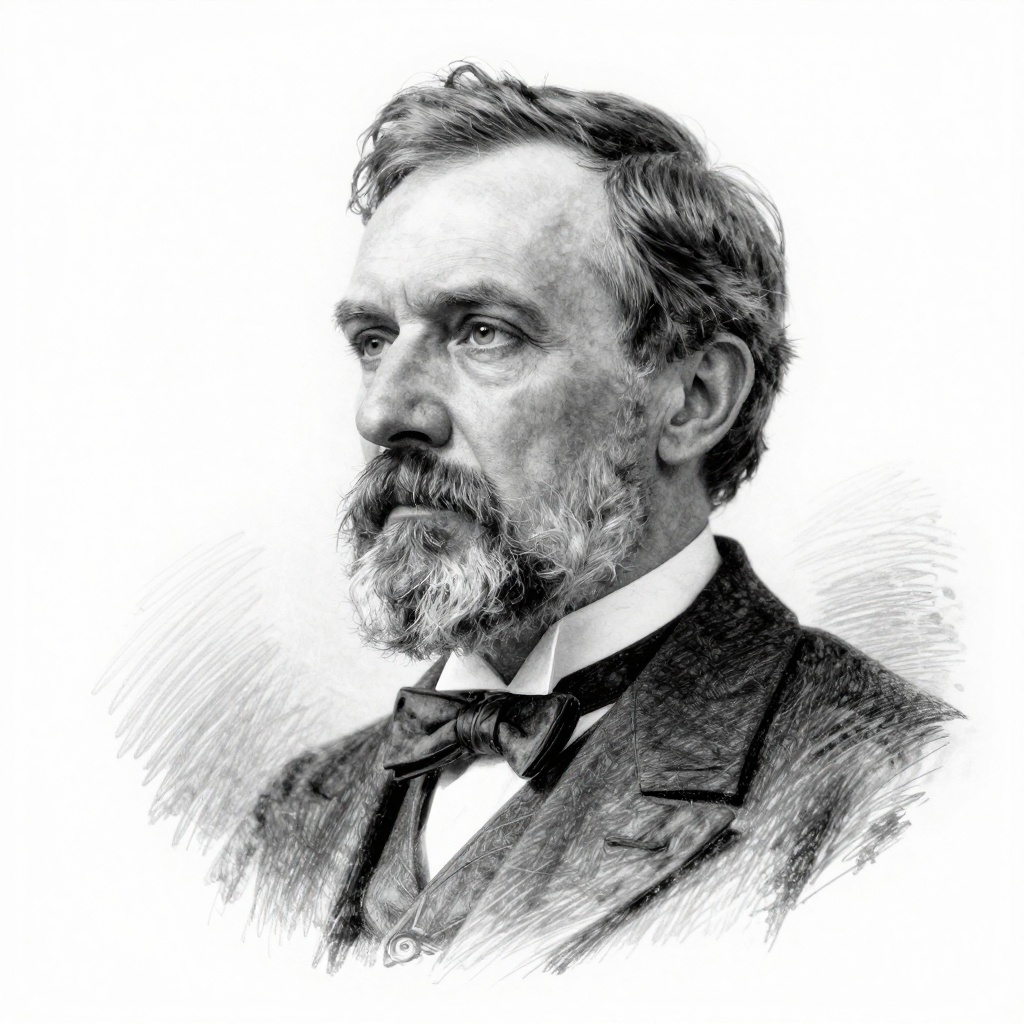
Comments