Quote · Added 14 February 2026
In life, as in art, the beautiful moves in curves.
Edward G. Bulwer-LyttonWhat Will He Do With It, 1858
No ratings yet
There's something almost rebellious about this idea when you think about how much of modern life pushes for straight lines. We optimize, streamline, take the most direct route. We want efficiency. But Bulwer-Lytton's observation catches something true: the things that actually move us—a conversation that circles back to reveal something new, a relationship that deepens through ups and downs, a career path that zigs and zags but somehow arrives—these rarely happen in a straight line.
The curves he's talking about are patient. They're how rivers carve canyons, how growth actually happens under the skin. When you force beauty into a rigid framework, it suffocates. Think of the difference between someone who tries to follow a rigid life plan versus someone who stays curious and adapts. The second person's journey looks messier on paper, but often contains more actual beauty—more learning, more texture, more real connection.
Maybe the real insight is this: we spend so much energy trying to be linear, trying to go from point A to point B as quickly as possible. But if you look at what actually nourishes you—art, relationships, meaning—they all have this curved quality. They require patience. They trust the indirect route. That's not inefficiency; that's actually how beauty gets built.
1803–1873·lived 69 years
Edward G. Bulwer-Lytton (1803–1873) was a British novelist, poet, and playwright. He is known for his literary works, including the novel "The Last Days of Pompeii" and the opening line "It was a dark and stormy night," which has become a famous cliché in English literature. Bulwer-Lytton was also a politician and served as a Member of Parliament.
Also by Edward G. Bulwer-Lytton
Our work is the presentation of our capabilities.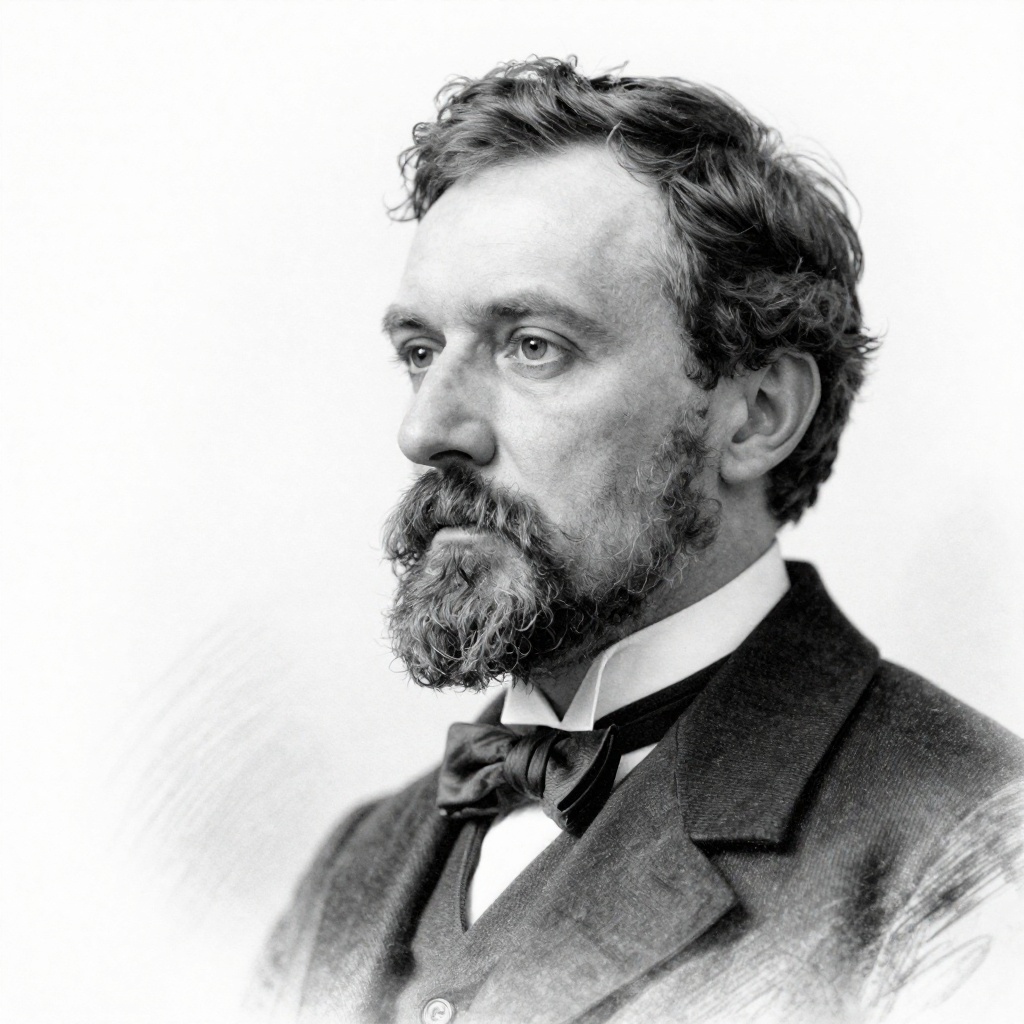
Comments