Quote · Added 8 February 2026
Our work is the presentation of our capabilities.
Edward G. Bulwer-LyttonThe Life, Letters and Literary Remains of Edward Bulwer, Lord Lytton
No ratings yet
Filed underwork·capability·expression
Quote · Added 8 February 2026
Filed underwork·capability·expression
The work we do is constantly telling a story about who we are. Not in some grand, résumé-polishing way, but in the small choices we make every single day. Whether you're writing an email, fixing something, teaching someone, or solving a problem, you're actually showing what you're capable of handling. That's why the finish matters more than we'd like to admit—not because someone's judging you harshly, but because sloppy work genuinely communicates "I don't take this seriously," while careful work whispers something different.
This gets interesting when you realize it cuts both ways. Your work doesn't just present your current abilities; it shapes how people perceive your potential. Do something thoughtfully, and suddenly people trust you with harder things. Rush through something, and doors quietly close. It's not fair exactly, but it's real.
The flip side most people miss: this is actually freeing. You don't need permission or credentials to start showing what you're capable of. You just need to do something—anything—with genuine attention. That presentation of capability is happening whether you're aware of it or not. Might as well make it intentional.
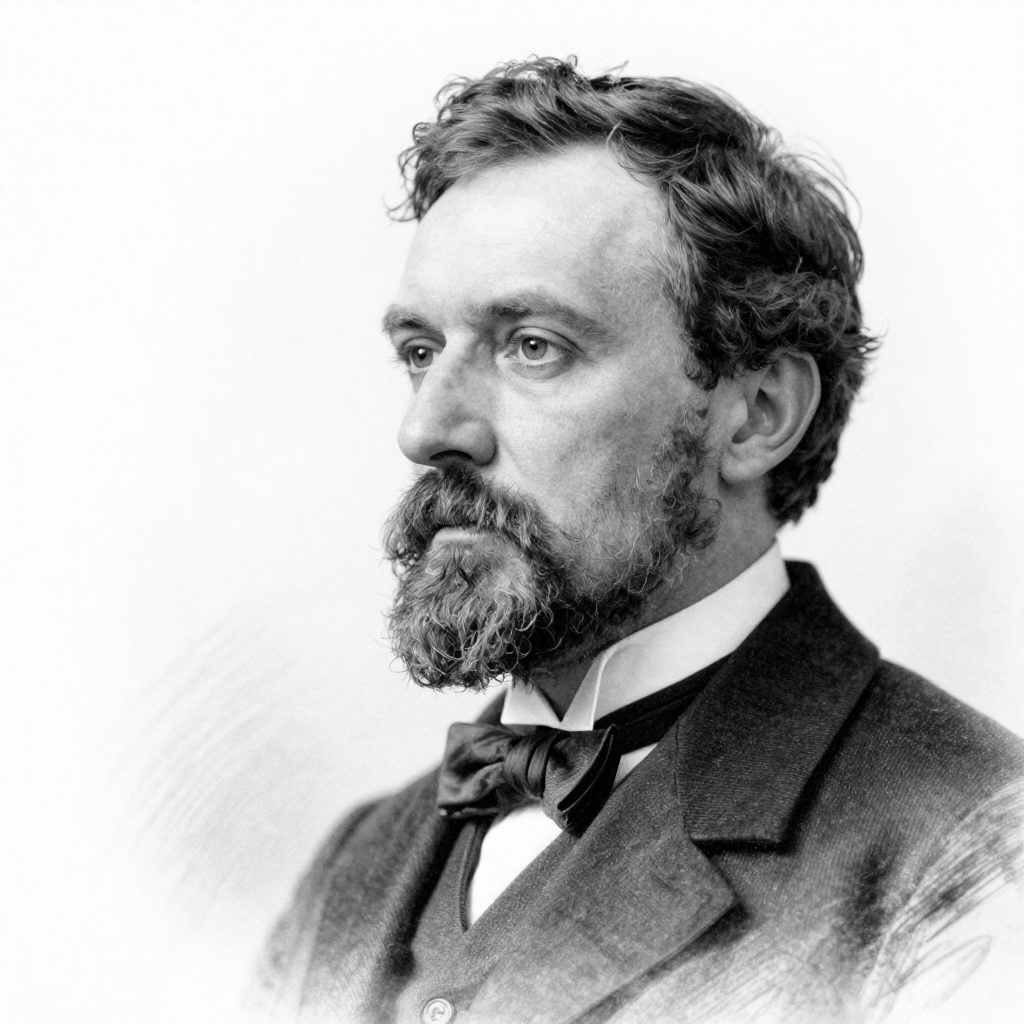
1803–1873·lived 69 years
Edward G. Bulwer-Lytton (1803–1873) was a British novelist, poet, and playwright. He is known for his literary works, including the novel "The Last Days of Pompeii" and the opening line "It was a dark and stormy night," which has become a famous cliché in English literature. Bulwer-Lytton was also a politician and served as a Member of Parliament.
Comments