Quote · Added 14 February 2026
To read without reflecting is like eating without digesting.
No ratings yet
Filed underreading·reflection·understanding
Quote · Added 14 February 2026
Filed underreading·reflection·understanding
We live in an age of constant consumption—articles, books, newsletters, social media posts flowing past us at impossible speed. It's tempting to mistake this volume for actual learning. We can finish a book and feel accomplished without retaining much of anything, the way eating quickly leaves you hungry an hour later.
The real work happens in the pause. Reflecting means sitting with what you've read, asking yourself what it changes about how you think, where it contradicts something you believed, or how you might actually use it. It's the difference between skimming a self-help book and genuinely wrestling with one idea for a week. Without that friction, the words slide right through us.
What's interesting is how this applies beyond books too. We consume advice from friends, lessons from our mistakes, observations about the world—and most of it passes through untouched. The people who actually grow tend to be the ones who stop and think. They might read less overall, but what they read sticks. They get more nourishment from less. In a world that rewards speed, reflection is increasingly rare, which paradoxically makes it more valuable.
1729–1797·lived 68 years
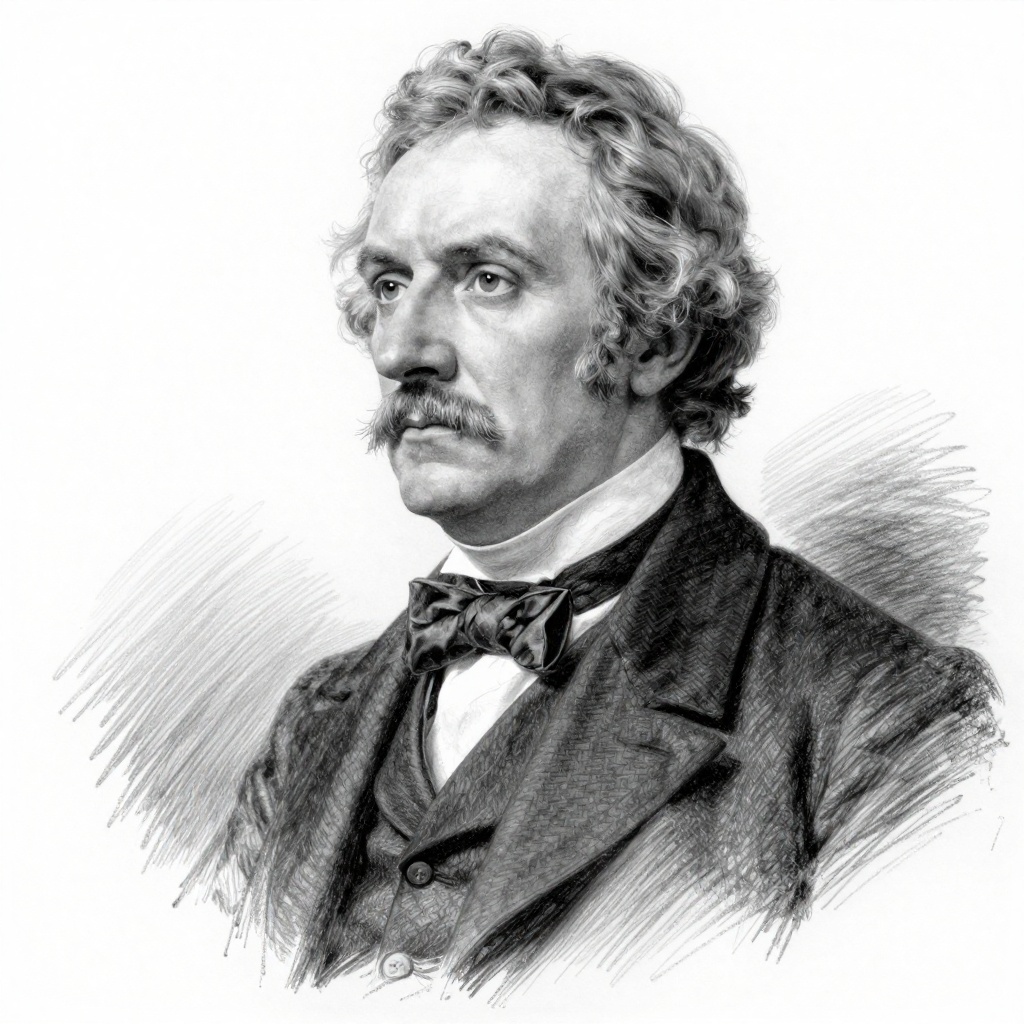
Edmund Burke (1729–1797) was an Irish statesman, philosopher, and political theorist. He is best known for his advocacy of conservative thought, his opposition to the French Revolution, and his support for individual liberties and the rights of colonized peoples. Burke's writings had a profound influence on political philosophy and are considered foundational to modern conservatism.
Comments