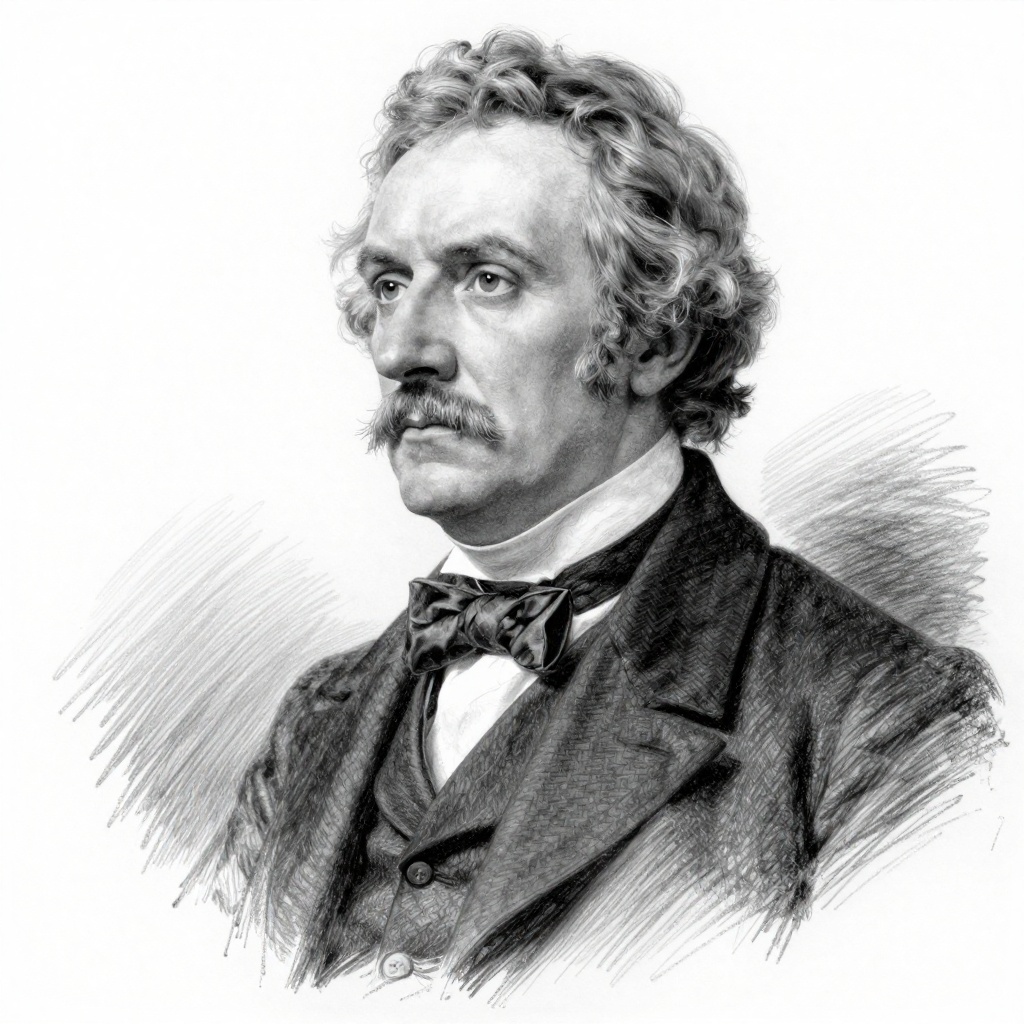
The best people possess a feeling for beauty, the courage to take risks, the discipline to tell the truth, the... — Edmund Burke

The best people possess a feeling for beauty, the courage to take risks, the discipline to tell the truth, the capacity for sacrifice.

Author: Edmund Burke

Insight: We tend to think of "the best people" as those who never stumble—the ones who seem to have it all figured out. But Burke's list is actually messier and more human than that. Sure, a feeling for beauty matters, but what makes someone actually good is their willingness to risk looking foolish, to speak an unpopular truth even when silence would be easier, and to give something up for something that matters more. The real weight here is in that word "discipline." Anyone can feel inspired to tell the truth in a moment. But discipline means doing it consistently, even when it costs you—when your boss won't like it, when your friends will disagree, when staying quiet would be simpler. Same with sacrifice. It's not romantic; it's about choosing what's right over what's comfortable, over and over again. What's subtly radical about this is that Burke isn't describing perfection. He's describing people who actively choose difficulty. The capacity to feel beauty keeps you sane and reminds you what you're protecting. Courage and discipline are what actually move you to protect it. If you're waiting to become a "better person," you're probably waiting for the wrong thing—you're waiting for it to feel easier. Burke suggests it won't.

Goodness Requires Choosing Difficulty

The best people possess a feeling for beauty, the courage to take risks, the discipline to tell the truth, the capacity for sacrifice.

We tend to think of "the best people" as those who never stumble—the ones who seem to have it all figured out. But Burke's list is actually messier and more human than that. Sure, a feeling for beauty matters, but what makes someone actually good is their willingness to risk looking foolish, to speak an unpopular truth even when silence would be easier, and to give something up for something that matters more.

The real weight here is in that word "discipline." Anyone can feel inspired to tell the truth in a moment. But discipline means doing it consistently, even when it costs you—when your boss won't like it, when your friends will disagree, when staying quiet would be simpler. Same with sacrifice. It's not romantic; it's about choosing what's right over what's comfortable, over and over again.

What's subtly radical about this is that Burke isn't describing perfection. He's describing people who actively choose difficulty. The capacity to feel beauty keeps you sane and reminds you what you're protecting. Courage and discipline are what actually move you to protect it. If you're waiting to become a "better person," you're probably waiting for the wrong thing—you're waiting for it to feel easier. Burke suggests it won't.

AI generated

Comments

Sign in to leave a comment or reply to one.

Sign in

Edmund Burke

Edmund Burke (1729–1797) was an Irish statesman, philosopher, and political theorist. He is best known for his advocacy of conservative thought, his opposition to the French Revolution, and his support for individual liberties and the rights of colonized peoples. Burke's writings had a profound influence on political philosophy and are considered foundational to modern conservatism.

Graph

Related