Quote · Added 10 February 2026
Nobody made a greater mistake than he who did nothing because he could do only a little.
Edmund BurkeElementary Sketches of Moral Philosophy, p. 185, 1850
No ratings yet
Quote · Added 10 February 2026
We live in a culture that worships grand gestures and big moves. Start a company. Change the world. Quit everything and pursue your dream. There's an entire industry built around the idea that if you can't do something major, why bother? This quote cuts straight through that nonsense. It's saying the real mistake isn't aiming too high—it's paralysis disguised as realism.
Most of us encounter this tension constantly. You can't afford to completely overhaul your diet, so you eat the same processed meals for years. You can't write a novel, so you never write anything. You can't solve climate change, so you leave the lights on. We mistake "not perfect" for "not worth doing," and that's where real inertia sets in. The small actions seem so trivial in comparison to what we think matters that we convince ourselves they don't count.
But here's the non-obvious part: small actions compound in ways we don't predict. Writing one page a day for a year is a book. Saving fifty dollars a month is real money. A single conversation can reshape someone's thinking. Burke isn't cheerleading mediocrity—he's pointing out that the difference between trying a little and trying nothing is actually everything. The mistake isn't that your efforts seem small. It's stopping before you even start.
1729–1797·lived 68 years
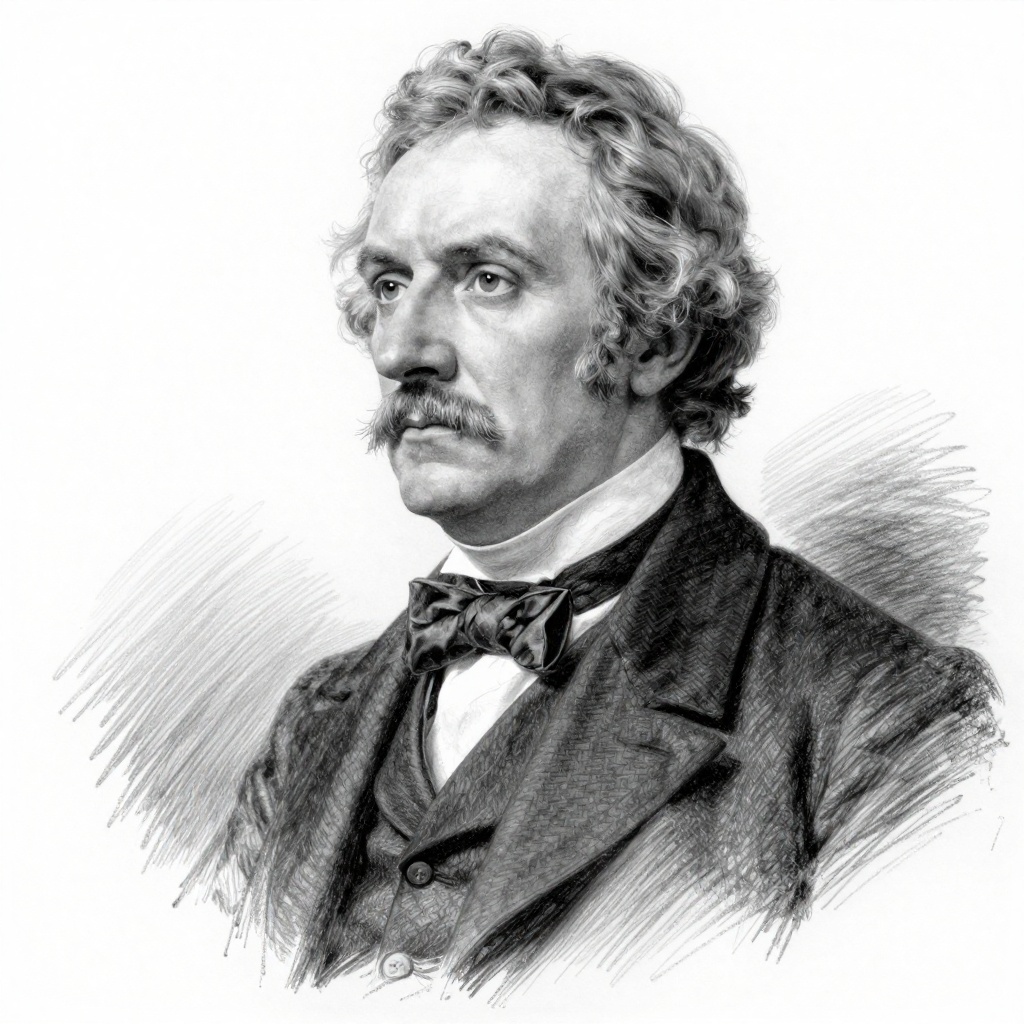
Edmund Burke (1729–1797) was an Irish statesman, philosopher, and political theorist. He is best known for his advocacy of conservative thought, his opposition to the French Revolution, and his support for individual liberties and the rights of colonized peoples. Burke's writings had a profound influence on political philosophy and are considered foundational to modern conservatism.
Comments