Quote · Added 14 February 2026
No passion so effectually robs the mind of all its powers of acting and reasoning as fear.
Edmund BurkeReflections on the Revolution in France, 1790
No ratings yet
Quote · Added 14 February 2026
Fear has this sneaky way of hijacking your brain. When you're genuinely afraid—whether it's public speaking, a difficult conversation, or financial uncertainty—you don't think clearly. Your mind gets narrower, your creativity disappears, and you start cycling through the same worried thoughts instead of problem-solving. It's not a character flaw; it's biology. Fear floods your system with stress hormones that were useful for escaping predators but terrible for the kind of reasoning modern life actually demands.
The tricky part is that fear often masquerades as caution. You might think you're being prudent when you're actually just paralyzed, mistaking inaction for strategy. People stay in dead-end jobs, avoid expressing their real opinions, or never start that project they care about—all while telling themselves they're being realistic. But there's a difference between healthy respect for risk and fear that's stolen your agency entirely.
What Burke points at is that the antidote isn't confidence or recklessness. It's usually clarity. When you can actually examine what you're afraid of rather than just feel it, when you can name it and look at it directly, the panic loosens its grip. You get your mind back. That's when you can actually reason about what matters and what's worth doing.
1729–1797·lived 68 years
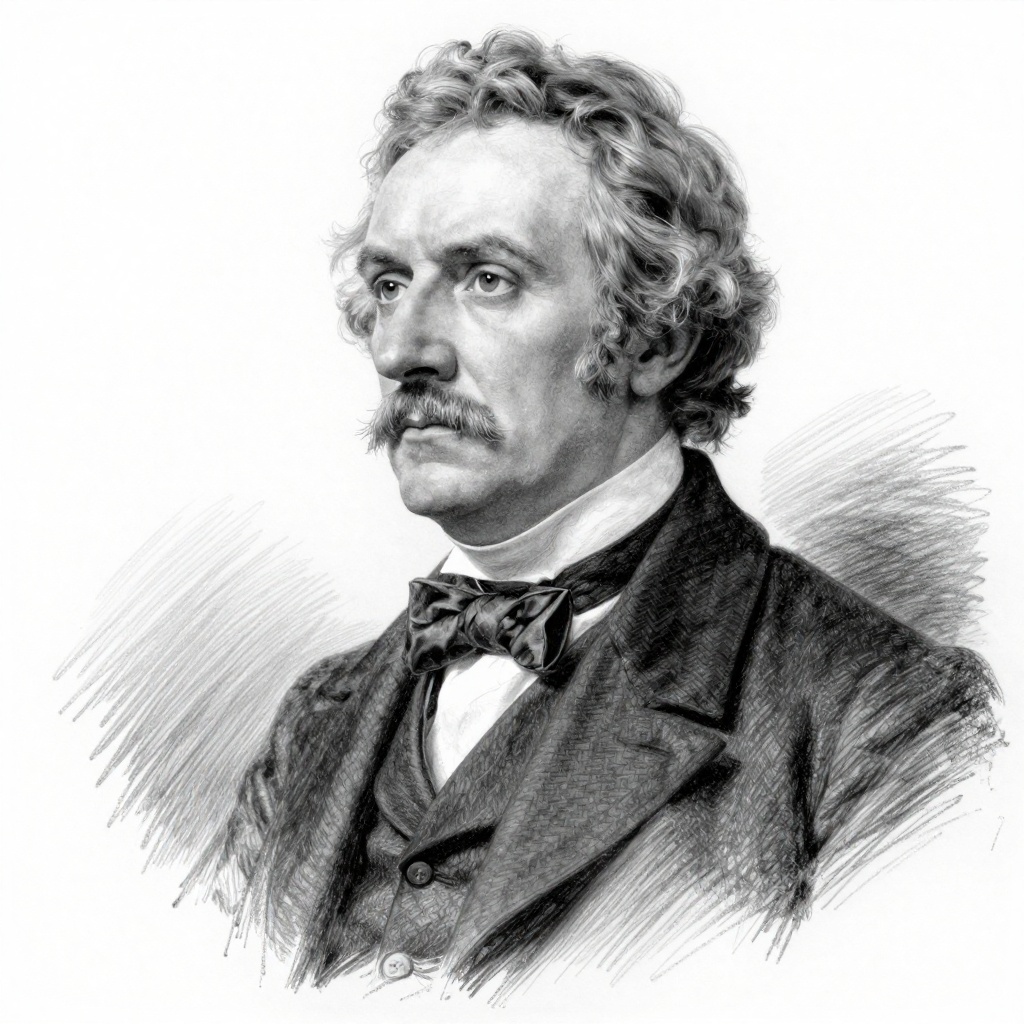
Edmund Burke (1729–1797) was an Irish statesman, philosopher, and political theorist. He is best known for his advocacy of conservative thought, his opposition to the French Revolution, and his support for individual liberties and the rights of colonized peoples. Burke's writings had a profound influence on political philosophy and are considered foundational to modern conservatism.
Comments