Quote · Added 14 February 2026
If we command our wealth, we shall be rich and free; if our wealth commands us, we are poor indeed.
Edmund BurkeLetters on a Regicide Peace, Letter 1 On the Overtures of Peace, 1796
No ratings yet
Quote · Added 14 February 2026
We usually think of wealth as the solution to feeling trapped. More money means more choices, right? But Burke's pointing at something that sneaks up on people at every income level: the moment you let your stuff—or your desire for more stuff—start making your decisions for you, you've handed over control of your life.
The trap takes different shapes. For some it's obvious: staying in a job you hate because you need the paycheck, or spending every raise before you earn it. But it also shows up in subtler ways. You buy something to impress people, then feel obligated to maintain an image. You accumulate possessions that feel like obligations rather than assets. You're so focused on protecting what you have or chasing what's next that you stop noticing what you actually want. That's poverty dressed up in money.
The freeing part isn't abandoning wealth—it's deciding what your money is actually for, then using it deliberately instead of letting it use you. Wealth becomes a tool for your life only when you're clear about what matters. That's the real difference between being rich and being rich but stuck.
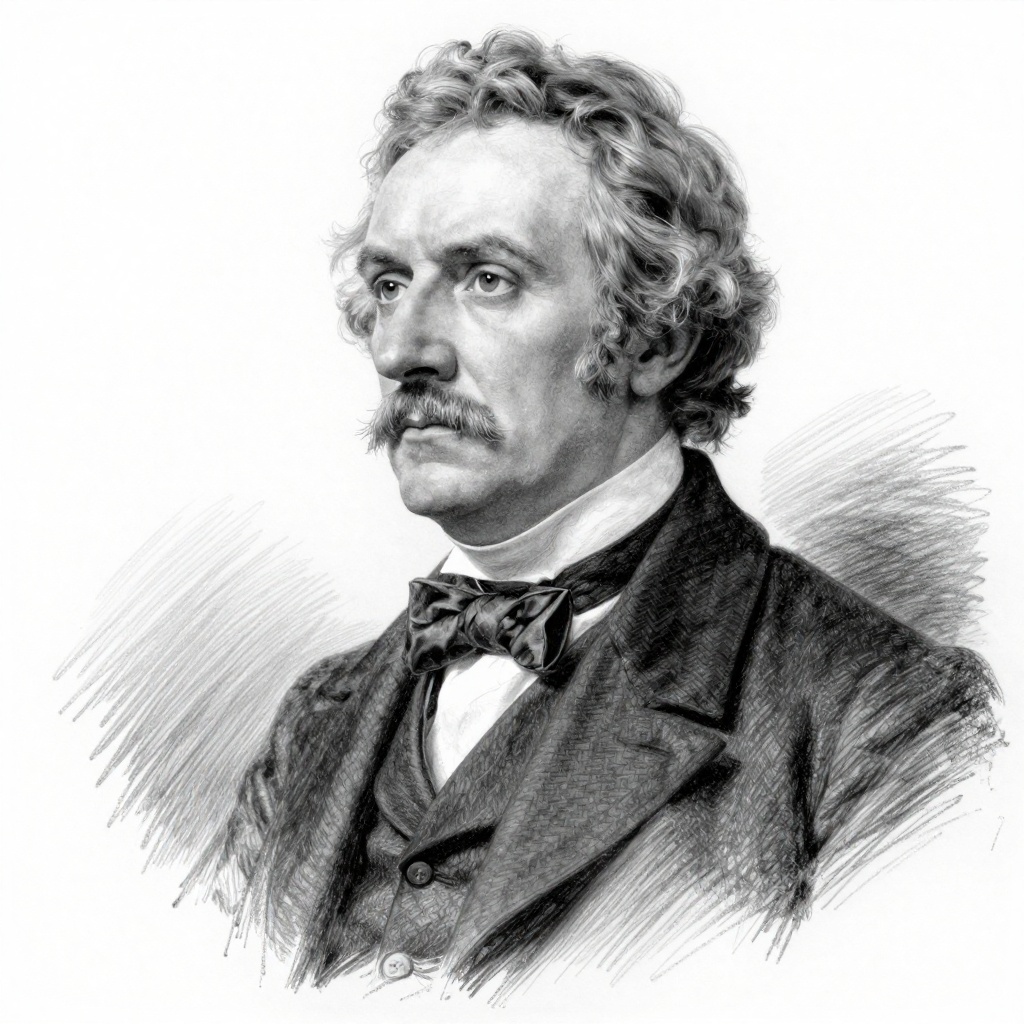
1729–1797·lived 68 years
Edmund Burke (1729–1797) was an Irish statesman, philosopher, and political theorist. He is best known for his advocacy of conservative thought, his opposition to the French Revolution, and his support for individual liberties and the rights of colonized peoples. Burke's writings had a profound influence on political philosophy and are considered foundational to modern conservatism.
Comments