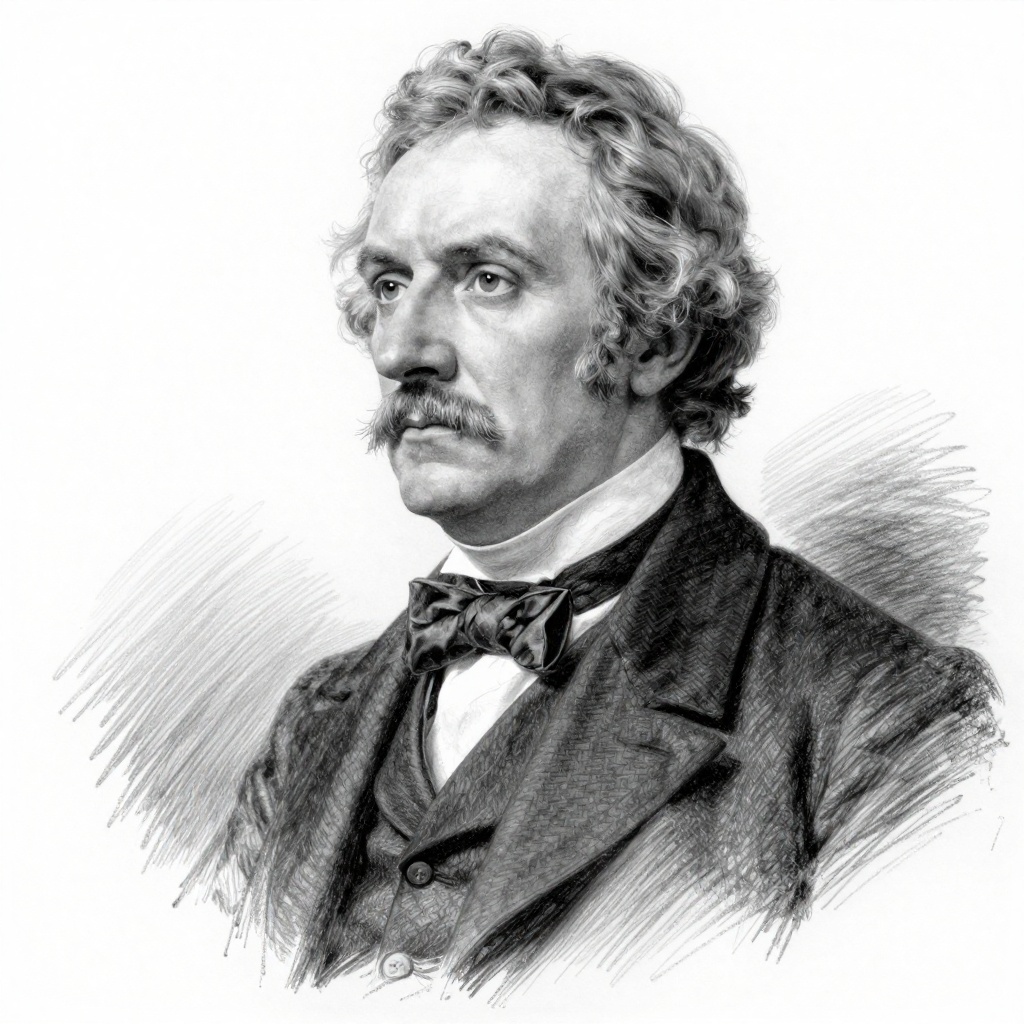
But what is liberty without wisdom, and without virtue? It is the greatest of all possible evils; for it is fo... — Edmund Burke

But what is liberty without wisdom, and without virtue? It is the greatest of all possible evils; for it is folly, vice, and madness, without tuition or restraint.

Author: Edmund Burke

Insight: Freedom without any internal compass is basically permission to wreck your own life. We see this play out everywhere: the person who quits their job without a plan because they want liberation, only to spiral. The teenager who's given total autonomy and chooses self-destruction. Even on social media, absolute freedom of speech without any shared values or restraint becomes a wasteland of cruelty and conspiracy. Burke's point cuts against a common misunderstanding of what freedom actually is. We often think liberty means doing whatever we want, but he's saying that's not freedom at all—that's just chaos with your name on it. Real freedom requires wisdom (knowing what's actually worth doing) and virtue (caring about something beyond your immediate impulses). Without those, you're just swinging a weapon around in the dark. The tricky part is that no one can hand you wisdom or virtue. You can't legislate character into someone. But recognizing that freedom without restraint isn't actually freedom—that it's more like being trapped in your own worst impulses—that's the first step toward using your liberty for something that actually matters.

Freedom without character is just chaos

But what is liberty without wisdom, and without virtue? It is the greatest of all possible evils; for it is folly, vice, and madness, without tuition or restraint.

Freedom without any internal compass is basically permission to wreck your own life. We see this play out everywhere: the person who quits their job without a plan because they want liberation, only to spiral. The teenager who's given total autonomy and chooses self-destruction. Even on social media, absolute freedom of speech without any shared values or restraint becomes a wasteland of cruelty and conspiracy.

Burke's point cuts against a common misunderstanding of what freedom actually is. We often think liberty means doing whatever we want, but he's saying that's not freedom at all—that's just chaos with your name on it. Real freedom requires wisdom (knowing what's actually worth doing) and virtue (caring about something beyond your immediate impulses). Without those, you're just swinging a weapon around in the dark.

The tricky part is that no one can hand you wisdom or virtue. You can't legislate character into someone. But recognizing that freedom without restraint isn't actually freedom—that it's more like being trapped in your own worst impulses—that's the first step toward using your liberty for something that actually matters.

AI generated

Comments

Sign in to leave a comment or reply to one.

Sign in

Edmund Burke

Edmund Burke (1729–1797) was an Irish statesman, philosopher, and political theorist. He is best known for his advocacy of conservative thought, his opposition to the French Revolution, and his support for individual liberties and the rights of colonized peoples. Burke's writings had a profound influence on political philosophy and are considered foundational to modern conservatism.

Graph

Related