Quote · Added 18 September 2023
They who dream by day are cognizant of many things which escape those who dream only by night.
Edgar Allan PoeEleonora, in Tales, 1850
Filed underdream·awareness·perception
Quote · Added 18 September 2023
Filed underdream·awareness·perception
There's a real difference between the person who lets their mind wander while awake—noticing patterns, making unexpected connections, imagining possibilities—and someone who only lets their imagination loose when they're asleep. Daydreaming gets a bad reputation, as if it's wasted time or a sign you're not paying attention. But Poe is pointing at something worth defending: that conscious daydreaming is actually a form of thinking, one that catches details and makes leaps that our ordinary, task-focused mind might miss.
The tricky part is that this only works if you're actually alert. A daydream in the middle of a meeting isn't the same as deliberately giving your mind space to roam while you're still engaged with the world. It's the difference between mindless scrolling and the kind of thinking you do on a walk, or in the shower, or while doing something routine. In those moments, your brain is free enough to notice the odd connection, the small observation, the weird "what if" that might actually matter.
In our distraction-heavy world, we've lost permission for this. We're either "productive" or we're "wasting time." But some of the best insights—creative solutions, emotional clarity, genuine understanding—arrive not when we're grinding, but when we're letting our mind play while still paying attention to life as it happens.
1809–1849·lived 40 years
Edgar Allan Poe (1809–1849) was an American writer known for his dark and macabre short stories and poetry. He is considered a master of Gothic fiction and is famous for works such as "The Tell-Tale Heart," "The Raven," and "The Fall of the House of Usher." Poe's writings have had a lasting impact on literature and have influenced the development of the detective fiction genre.
Also by Edgar Allan Poe
Never to suffer would never to have been blessed.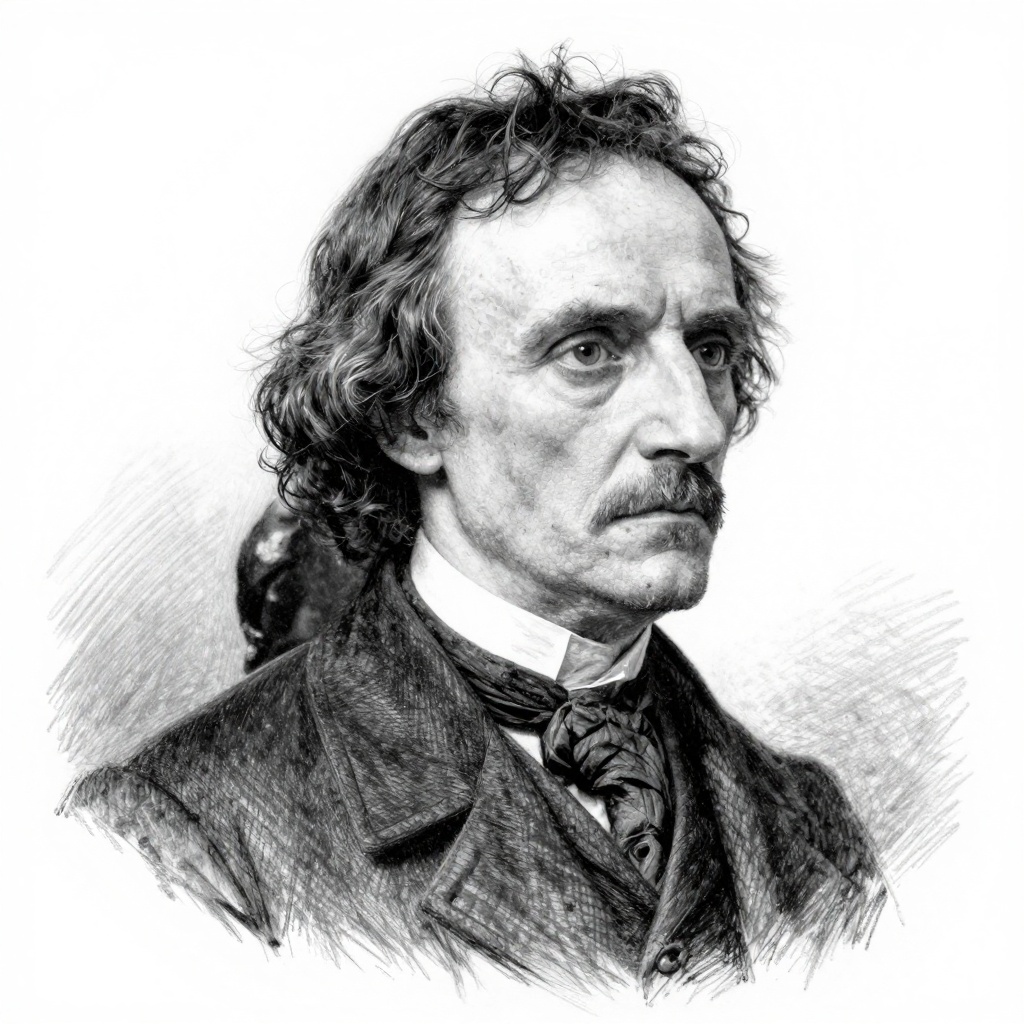
Comments