Quote · Added 14 February 2026
All that we see or seem is but a dream within a dream.
Edgar Allan PoeA Dream Within a Dream, 1849
Filed underdream·perception·reality
Quote · Added 14 February 2026
Filed underdream·perception·reality
We tend to think of reality as this solid, unchanging thing that exists whether we notice it or not. But Poe's layered idea—a dream within a dream—captures something true about how experience actually works. What you perceive right now is filtered through your attention, your mood, your memories, your expectations. The "you" observing is itself shaped by countless invisible forces. So in a real sense, you're not seeing the world directly; you're seeing your mind's interpretation of it, which is its own kind of dream.
This matters when you're stuck in a difficult moment. When you're anxious or angry or convinced something is hopeless, it can feel absolutely final, like the only truth. But if that moment is also somewhat dreamlike—constructed partly by your current mental state—then it's not as fixed as it feels. You can shift perspective, sleep on it, or return tomorrow when different parts of your mind are active. Reality remains real, but the particular layer of it you're experiencing right now is more fluid than you might think.
The strange comfort here is that certainty itself becomes questionable. You can't step outside your own mind to verify things objectively. So instead of being paralyzed by that impossibility, you might as well stay curious, stay open to reframing, and trust that even your firmest convictions are being seen through a particular lens that will eventually shift.
1809–1849·lived 40 years
Edgar Allan Poe (1809–1849) was an American writer known for his dark and macabre short stories and poetry. He is considered a master of Gothic fiction and is famous for works such as "The Tell-Tale Heart," "The Raven," and "The Fall of the House of Usher." Poe's writings have had a lasting impact on literature and have influenced the development of the detective fiction genre.
Also by Edgar Allan Poe
Never to suffer would never to have been blessed.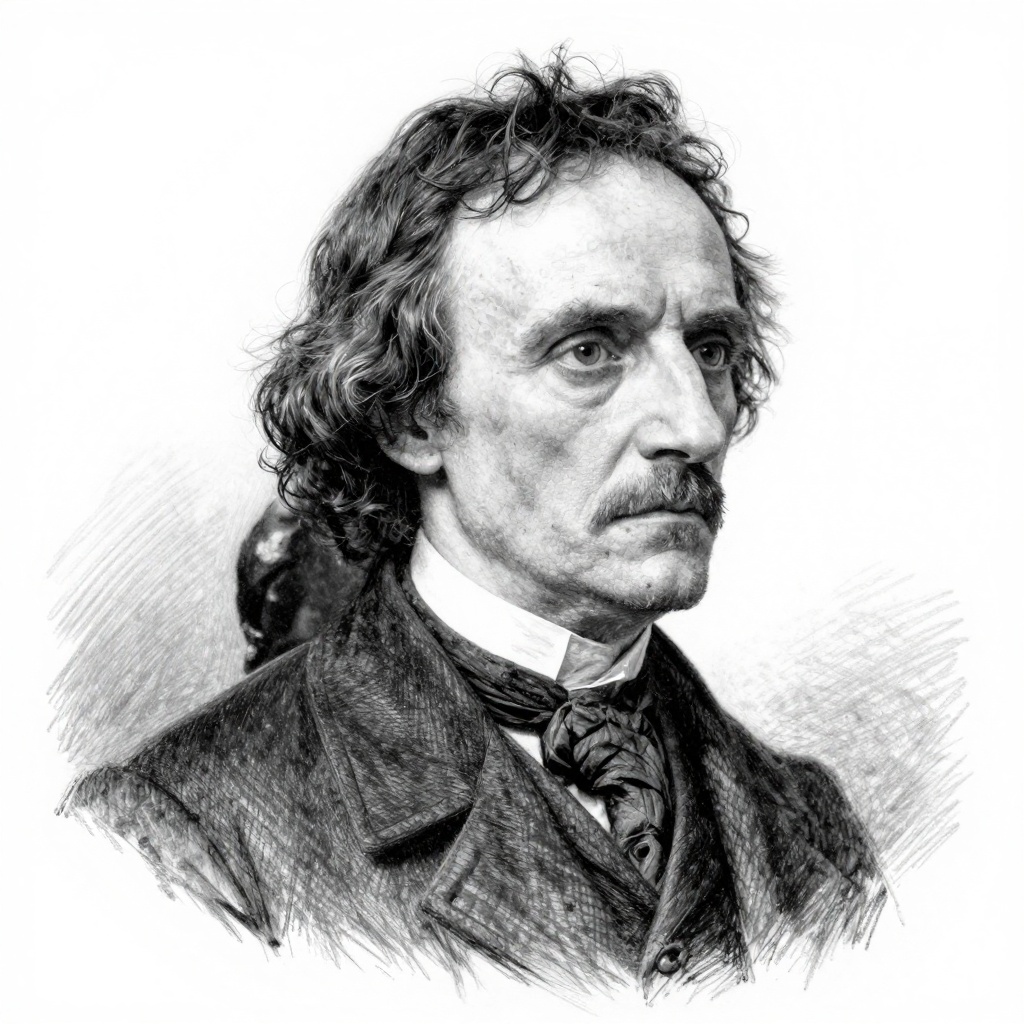
Comments