Quote · Added 14 February 2026
Modesty is the color of virtue.
No ratings yet
Quote · Added 14 February 2026
There's something counterintuitive here that modern life keeps proving true. We live in an age of relentless self-promotion—everyone's a brand, everyone's curating their highlight reel, everyone's claiming expertise they barely possess. Yet the people we actually trust and admire tend to be quietly confident rather than loudly boastful. They don't need to announce their integrity; it shows up in how they handle disagreements, admit mistakes, or help without expecting credit.
Modesty isn't about self-doubt or false humility. It's about letting your actual character do the talking instead of your marketing copy. When someone doesn't oversell themselves, we believe them more. When they downplay their accomplishments, we respect them more. It's almost like a social signal—modesty signals that you're secure enough not to perform constantly, that you're more interested in being right than looking right.
The tricky part is that genuine modesty has become rare enough to stand out, which ironically makes it powerful. In a sea of noise and self-promotion, the person who stays quiet about their wins, who credits others, who focuses on the work rather than the applause—that person becomes noticeably virtuous. Not through grand gestures, but through a kind of invisible integrity that only shows itself over time.
Diogenes of Sinope was an ancient Greek philosopher and one of the most famous figures of Cynicism, known for his ascetic lifestyle and controversial behavior. He lived in the 4th century BCE and often challenged social norms and conventions, famously carrying a lantern in broad daylight to search for an honest man. Diogenes is best remembered for his wit, his disregard for material wealth, and his philosophical teachings advocating for a simple, self-sufficient life in accordance with nature.
Also by Diogenes
The insult only works if you accept it.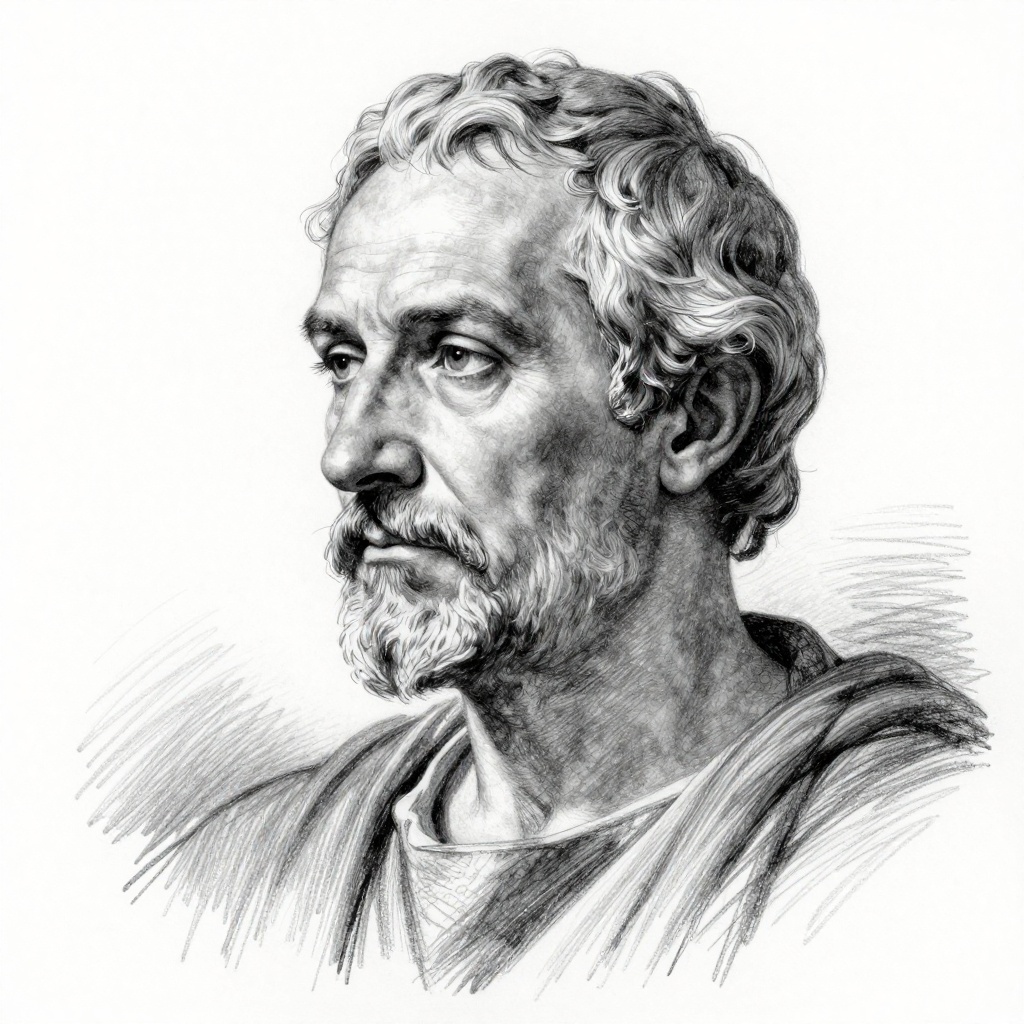
Comments