Quote · Added 3 June 2024
If you want a new idea, read an old book.
Desiderius ErasmusIn Praise of Folly, 1511
Quote · Added 3 June 2024
There's something counterintuitive about this that actually makes sense the moment you live it. We think new ideas come from scanning the latest feeds and trends, but what really happens is we hit the walls of current thinking—the same assumptions everyone's working with right now. An old book breaks you out of that box. It shows you how people thought differently, what they valued, what they worried about. You realize half of what feels like "new" is just us recycling old solutions we forgot about.
The real trick is that reading old work doesn't make you nostalgic or backward-looking. It does the opposite. You see that people two hundred years ago were wrestling with versions of your problem. They tried different angles. Some failed, some worked in ways we've since abandoned. That cross-pollination, that sense that there are other ways to think about things, that's where actual novelty comes from. You're not copying the old book. You're using it as a key to unlock possibilities your current moment can't quite see on its own.
1466–1536·lived 69 years
Desiderius Erasmus was a renowned Dutch Renaissance humanist, Catholic priest, and theologian. He is best known for his works that laid the foundation for the Protestant Reformation through his critiques of the Church and advocacy for religious reform. Erasmus was also a prolific writer, producing influential texts like "In Praise of Folly" and translating the New Testament into Greek.
Also by Desiderius Erasmus
The less talent they have, the more pride, vanity and arrogance they have. All these fools...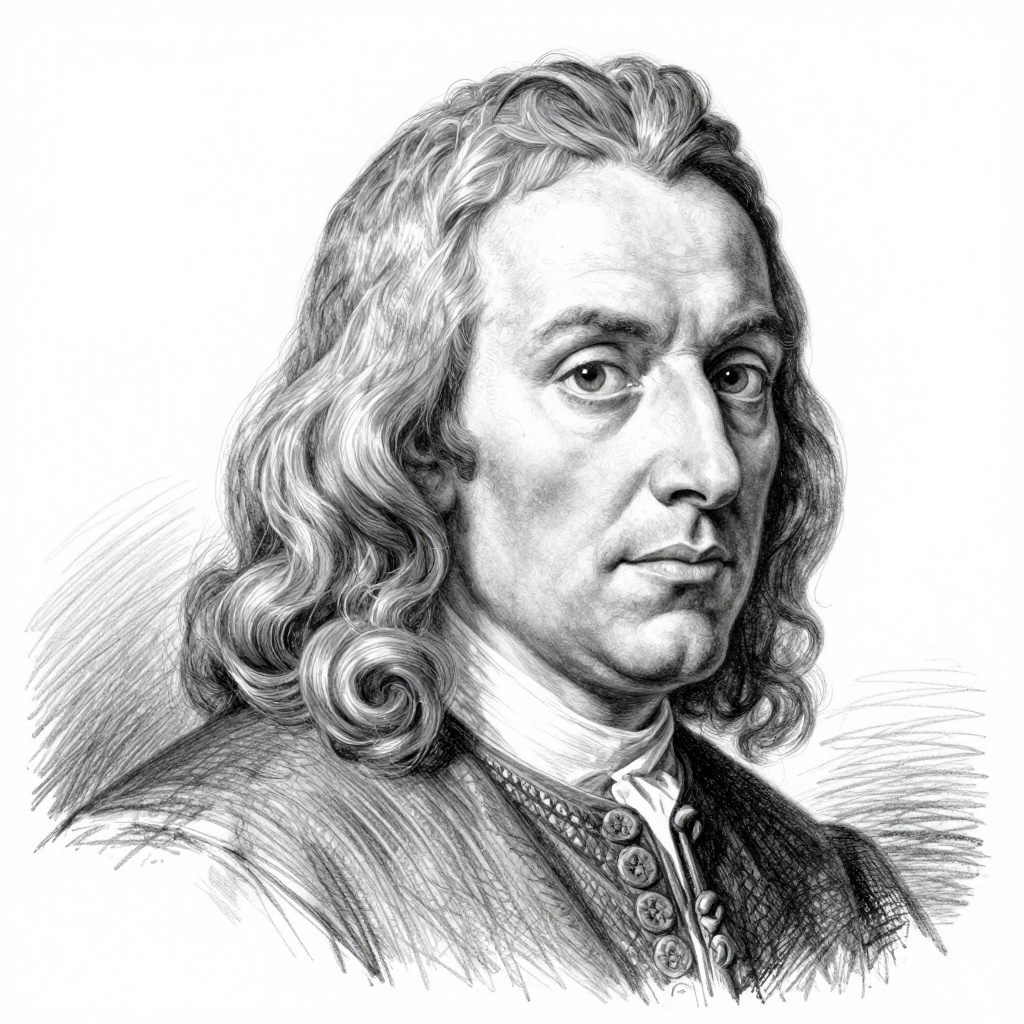
Comments