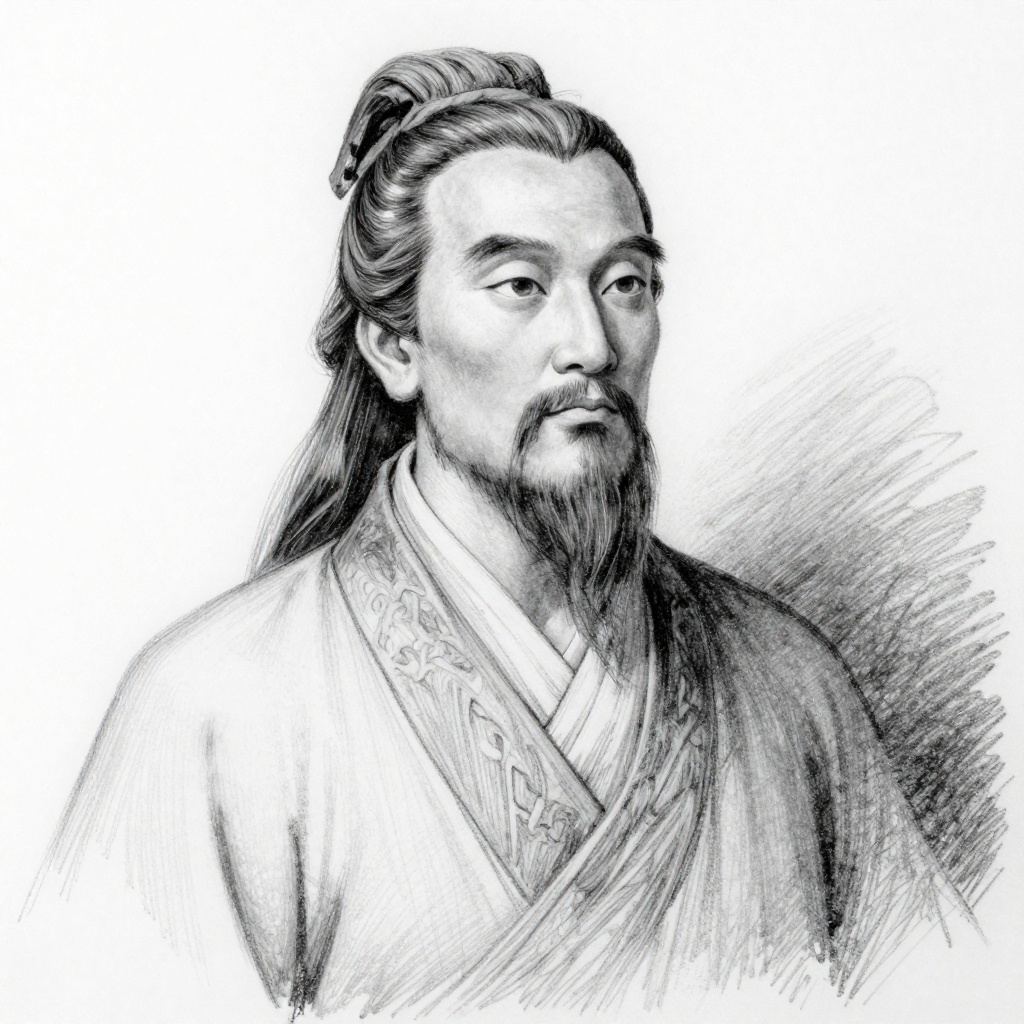
With coarse rice to eat, with water to drink, and my bended arm for a pillow - I have still joy in the midst o... — Confucius

With coarse rice to eat, with water to drink, and my bended arm for a pillow - I have still joy in the midst of these things. Riches and honors acquired by unrighteousness are to me as a floating cloud.

Author: Confucius

Insight: There's something quietly radical about this: Confucius isn't saying poverty is noble or that you should reject comfort. He's saying something harder—that contentment doesn't actually depend on your circumstances the way we think it does. He's eaten rice and drunk water, and found genuine joy there. So when success or money shows up through dishonest means, he can see it clearly for what it is: temporary, hollow, ultimately worthless. A floating cloud. We live in a time obsessed with optimization—better job, better apartment, better everything. The unstated assumption is that life satisfaction is mostly a math problem: more things equals more happiness. But Confucius is pointing at an uncomfortable truth most of us discover only accidentally: once your basic needs are met, the quality of your character becomes the main variable that determines how you actually feel. You can be miserable in luxury if you know you got there through compromise. You can be oddly free with nothing if your integrity is intact. This doesn't mean you should deliberately choose hardship. It means the real security you're actually chasing—the kind that lets you sleep well and face yourself in the mirror—can't be purchased. It has to be earned through how you live.

Character beats circumstances

With coarse rice to eat, with water to drink, and my bended arm for a pillow - I have still joy in the midst of these things. Riches and honors acquired by unrighteousness are to me as a floating cloud.

There's something quietly radical about this: Confucius isn't saying poverty is noble or that you should reject comfort. He's saying something harder—that contentment doesn't actually depend on your circumstances the way we think it does. He's eaten rice and drunk water, and found genuine joy there. So when success or money shows up through dishonest means, he can see it clearly for what it is: temporary, hollow, ultimately worthless. A floating cloud.

We live in a time obsessed with optimization—better job, better apartment, better everything. The unstated assumption is that life satisfaction is mostly a math problem: more things equals more happiness. But Confucius is pointing at an uncomfortable truth most of us discover only accidentally: once your basic needs are met, the quality of your character becomes the main variable that determines how you actually feel. You can be miserable in luxury if you know you got there through compromise. You can be oddly free with nothing if your integrity is intact.

This doesn't mean you should deliberately choose hardship. It means the real security you're actually chasing—the kind that lets you sleep well and face yourself in the mirror—can't be purchased. It has to be earned through how you live.

AI generated

Comments

Sign in to leave a comment or reply to one.

Sign in

Confucius

Confucius was a Chinese philosopher and teacher who lived in the 6th–5th century BC. Known for his ethical teachings, he emphasized personal and governmental morality, proper social relationships, justice, and sincerity. His ideas and philosophy, compiled in the Analects, have had a profound influence on Chinese culture and governance.

Graph

Related