Quote · Added 8 February 2026
When you know a thing, to hold that you know it; and when you do not know a thing, to allow that you do not know it - this is knowledge.
ConfuciusAnalects, Book 2, 2010
No ratings yet
Quote · Added 8 February 2026
There's something almost radical about this idea in a world obsessed with having answers. We're surrounded by people performing certainty—confident takes on everything from politics to parenting, delivered with the kind of conviction that makes doubt seem like weakness. But Confucius is pointing at something deeper: real knowledge isn't about accumulating facts. It's about clarity. Knowing what you actually know versus what you're just guessing at.
The tricky part is that most of us blur these lines constantly. We speak with authority about things we've only half-understood, or we stay silent about areas where we actually have genuine insight because we're waiting to feel "expert enough." What Confucius suggests is that the moment you can honestly distinguish between the two—"I know this" versus "I'm not sure about that"—you've already become smarter. You've stopped pretending, which means you can actually learn.
This matters now because intellectual humility has become rare. But it's also attractive. People trust someone who can say "I don't know, but here's what I think" far more than they trust someone performing omniscience. It's not about being passive or wishy-washy. It's about having the backbone to admit the limits of your own knowledge so you can actually do something useful with what you do know.
d. 479
Confucius was a Chinese philosopher and teacher who lived in the 6th–5th century BC. Known for his ethical teachings, he emphasized personal and governmental morality, proper social relationships, justice, and sincerity. His ideas and philosophy, compiled in the Analects, have had a profound influence on Chinese culture and governance.
Also by Confucius
If you hate someone, then you are defeated by him.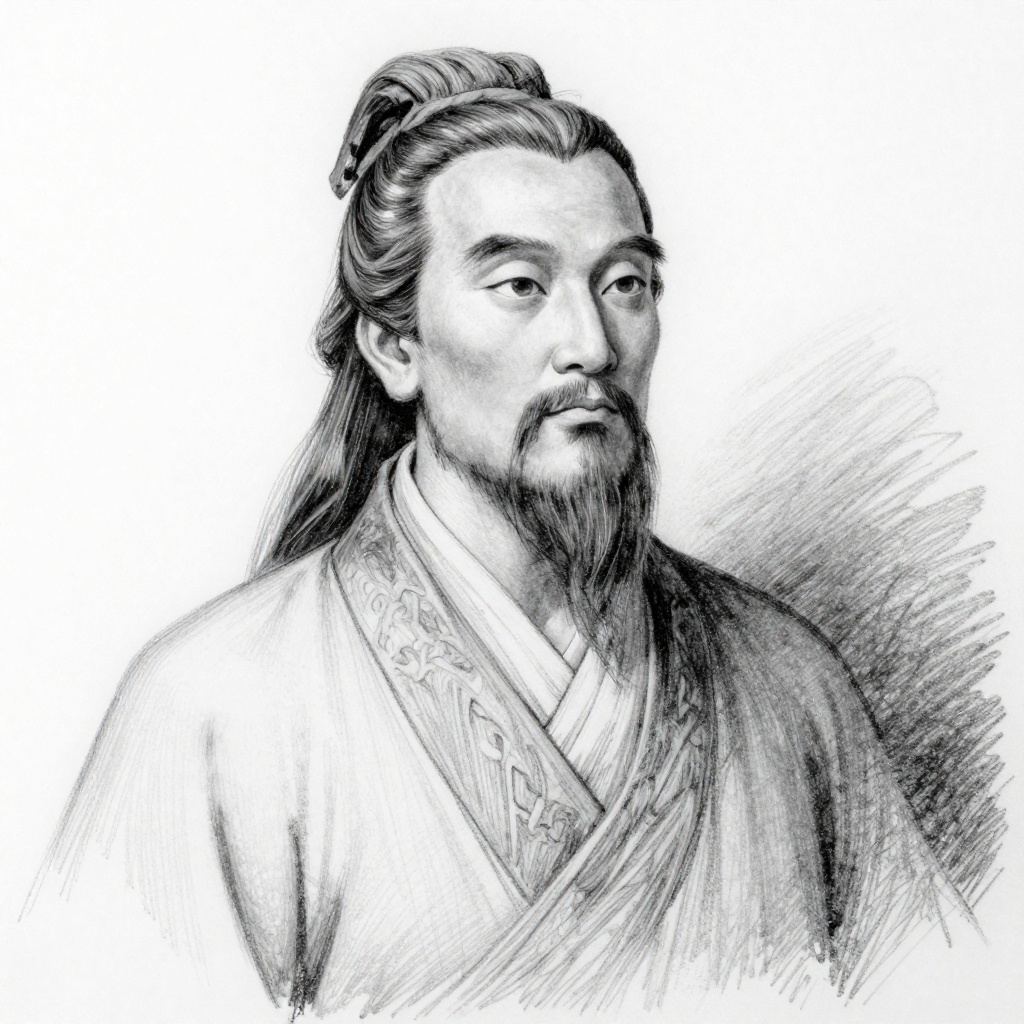
Comments