Quote · Added 11 February 2026
When anger rises, think of the consequences.To be angry is to revenge the faults of others on ourselves.
No ratings yet
Filed underanger·consequences·self-reflection
Quote · Added 11 February 2026
Filed underanger·consequences·self-reflection
That last line hits differently once you sit with it. When we're furious at someone, we genuinely feel like we're punishing them—but we're actually the ones paying the price. Our chest tightens, our sleep suffers, we replay the offense for hours. Meanwhile, the person who upset us? They might not even know we're still stewing about it.
The genius in pausing before anger escalates is that you're not being noble or restraining some righteous impulse. You're being practical. Those few seconds to ask "what happens next if I respond from this angry place?" can be the difference between a regretted text message and a conversation you're actually proud of. It's not about suppressing anger—it's about recognizing that acting on it immediately is like taking poison and expecting someone else to get sick.
What makes this ancient advice stick around is that it flips the usual story we tell ourselves. We imagine anger as a weapon we're wielding against someone else. Confucius suggests we're actually pointing it at ourselves. That reframe is sometimes enough to loosen its grip just enough to choose differently.
d. 479
Confucius was a Chinese philosopher and teacher who lived in the 6th–5th century BC. Known for his ethical teachings, he emphasized personal and governmental morality, proper social relationships, justice, and sincerity. His ideas and philosophy, compiled in the Analects, have had a profound influence on Chinese culture and governance.
Also by Confucius
If you hate someone, then you are defeated by him.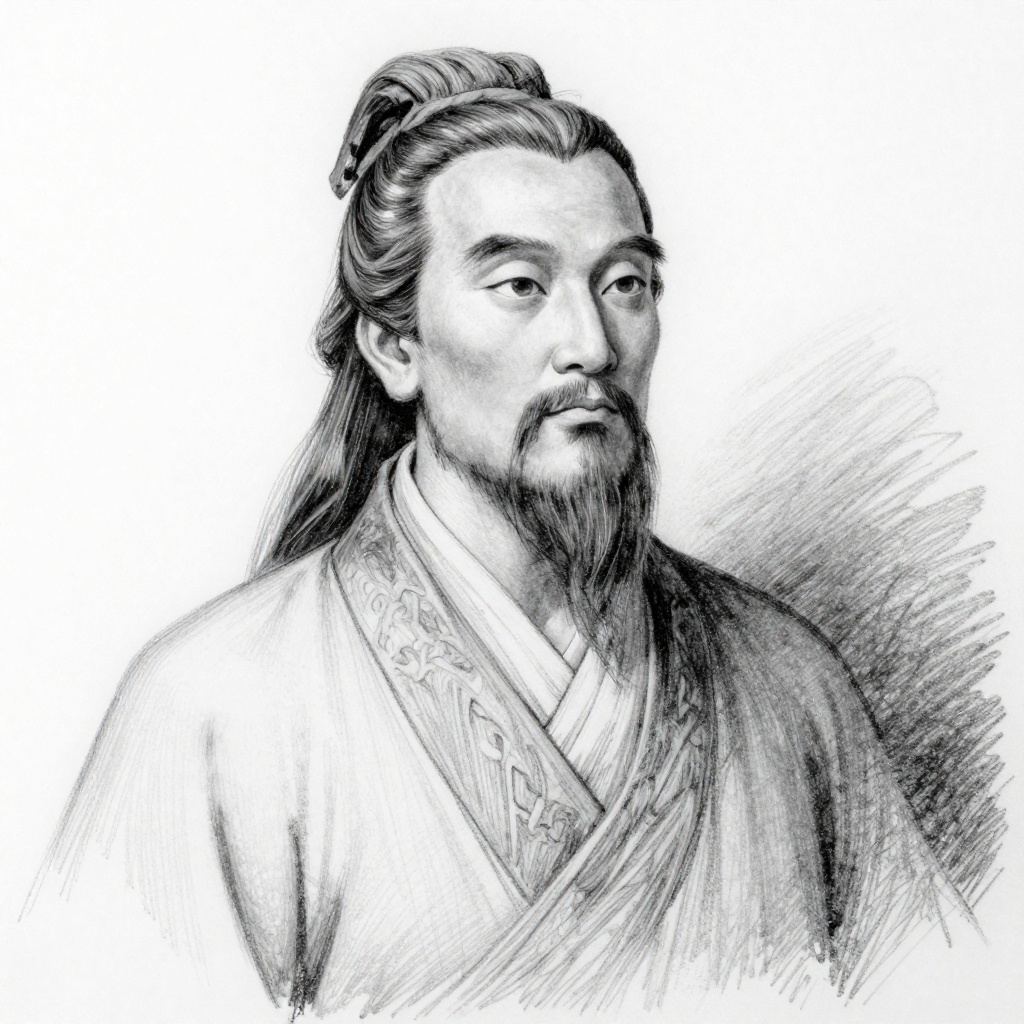
Comments