Quote · Added 14 February 2026
What you do not want done to yourself, do not do to others.
ConfuciusAnalects, Book 15, 23
No ratings yet
Quote · Added 14 February 2026
Most of us think we're already pretty good at this rule. We don't steal, we don't betray trust, we show up when we promise. But the tricky part isn't the obvious stuff—it's recognizing what we actually hate receiving. Someone who can't stand being interrupted will still cut people off constantly. Someone who resents unsolicited advice will offer it freely. We're often blind to our own hypocrisies because we have good reasons for our behavior, or so we think.
The real power here is that it flips the usual guilt-trip into something more practical. Instead of "be nice because it's right," it's "pay attention to what actually bothers you, because you're probably doing it to someone." That's observable. That's useful. When you feel the sting of being dismissed or rushed or corrected, you've got real data about the kind of friction you're creating elsewhere, probably without noticing.
What makes this stick around after 2,500 years isn't the philosophy—it's that everyone recognizes themselves in it. We all discover, at some point, that the person we most need to manage is often ourselves.
d. 479
Confucius was a Chinese philosopher and teacher who lived in the 6th–5th century BC. Known for his ethical teachings, he emphasized personal and governmental morality, proper social relationships, justice, and sincerity. His ideas and philosophy, compiled in the Analects, have had a profound influence on Chinese culture and governance.
Also by Confucius
If you hate someone, then you are defeated by him.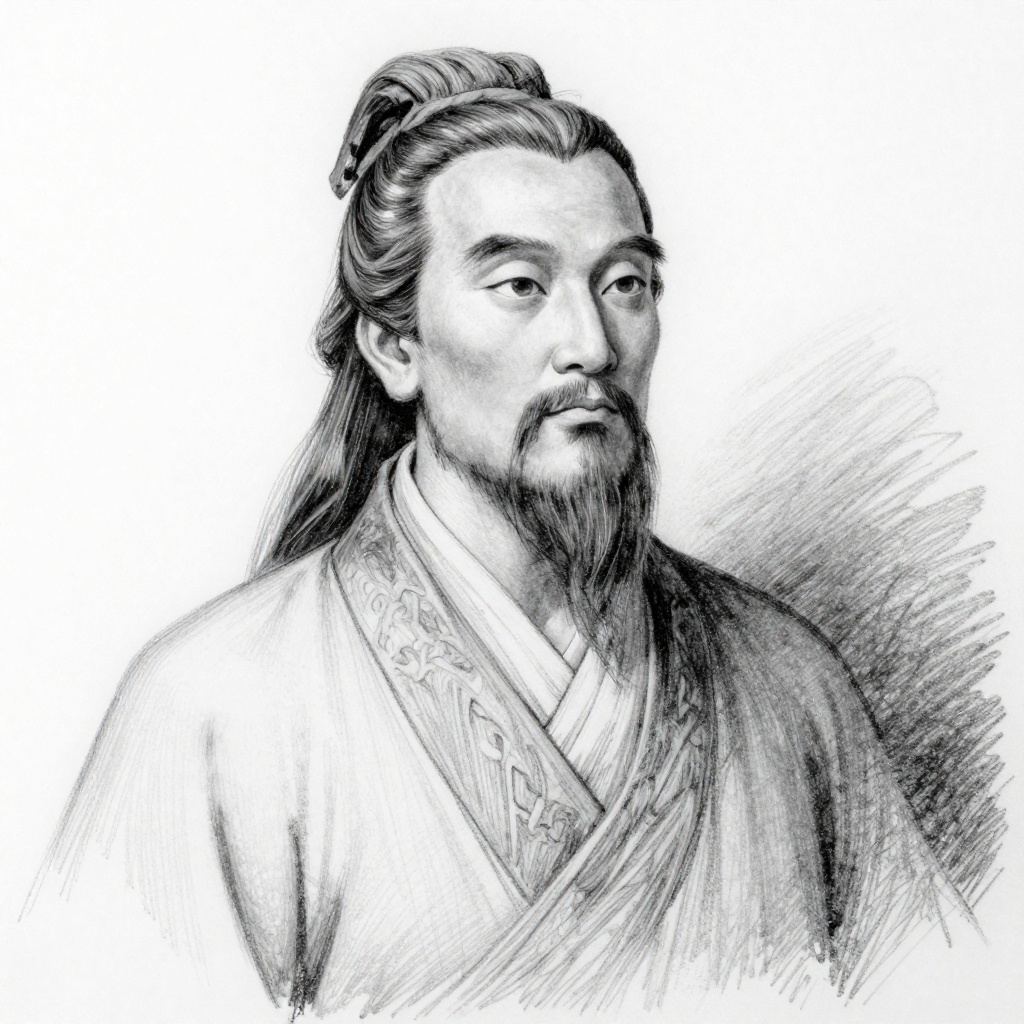
Comments