Quote · Added 14 February 2026
Virtue is not left to stand alone. He who practices it will have neighbors.
ConfuciusThe Analects, Book 1, 2001
No ratings yet
Quote · Added 14 February 2026
There's something quietly radical in this idea: goodness isn't a solo project. When you commit to doing the right thing—showing up honestly, treating people fairly, keeping your word—you're not just improving yourself in isolation. You're creating a gravitational pull. People notice. They want to be around it. They start behaving better too.
This matters today because we often treat virtue like a personal fitness routine—something you do alone in your room that's only meaningful if you're disciplined about it. But Confucius understood something more social: virtue is contagious. When your coworker consistently handles conflict with integrity instead of blame-shifting, it changes how the whole team operates. When a friend forgives quickly instead of holding grudges, it shifts what friendship feels like. These aren't dramatic transformations. They're quiet, steady influences that reshape the people and spaces around us.
The slightly uncomfortable flip side is that the opposite works too. Dishonesty and shortcuts also have neighbors—they attract people operating from the same corner-cutting playbook. We tend to underestimate how much our daily choices about honesty, effort, and fairness actually shape the culture of whoever's paying attention. Virtue doesn't stay silent. Neither does its absence.
d. 479
Confucius was a Chinese philosopher and teacher who lived in the 6th–5th century BC. Known for his ethical teachings, he emphasized personal and governmental morality, proper social relationships, justice, and sincerity. His ideas and philosophy, compiled in the Analects, have had a profound influence on Chinese culture and governance.
Also by Confucius
If you hate someone, then you are defeated by him.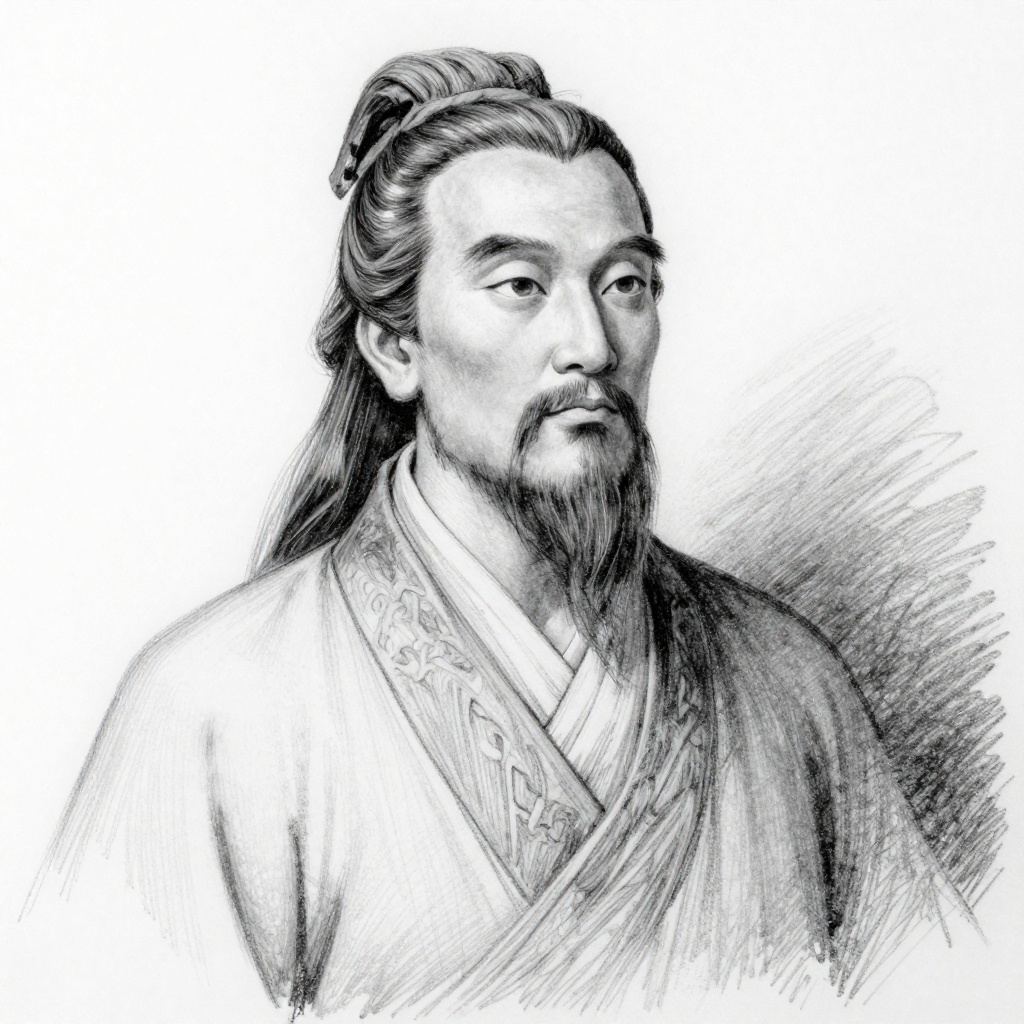
Comments