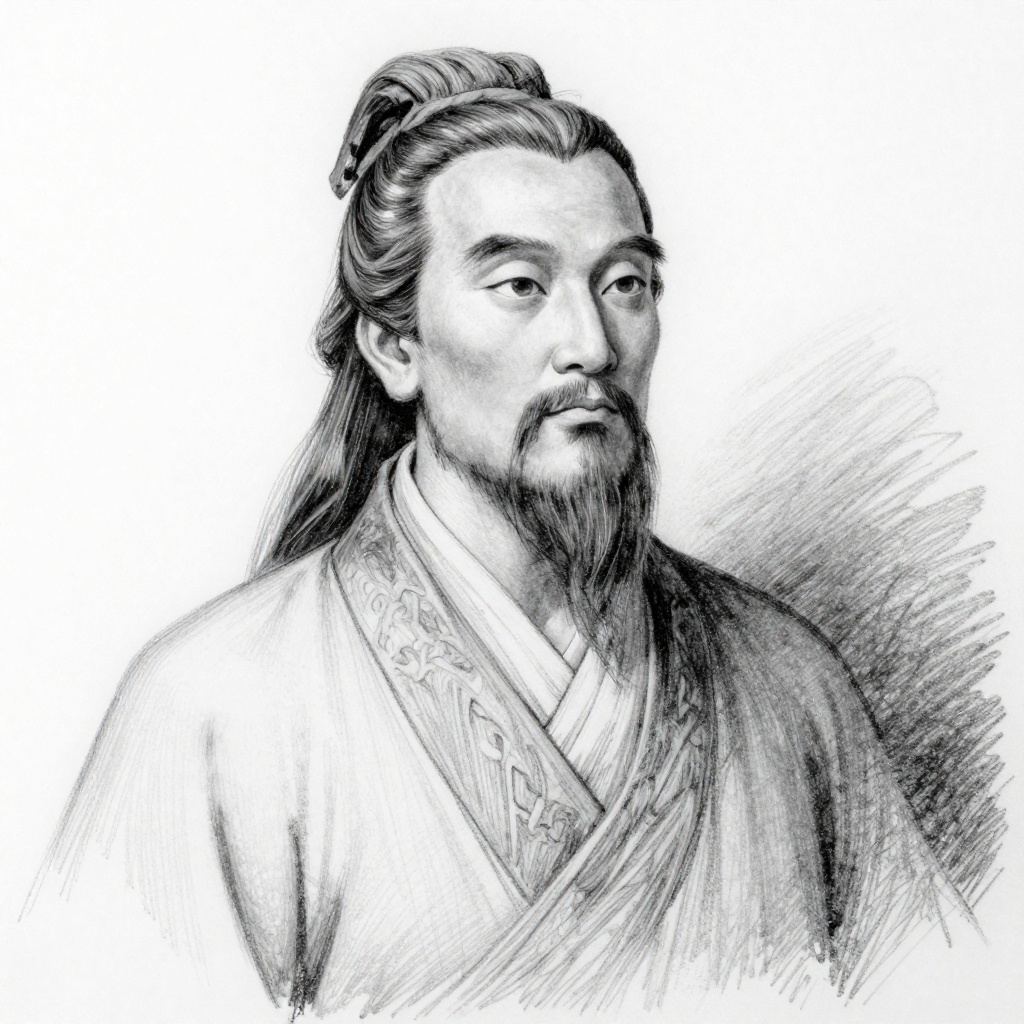
To those whose talents are above mediocrity, the highest subjects may be announced. To those who are below med... — Confucius

To those whose talents are above mediocrity, the highest subjects may be announced. To those who are below mediocrity, the highest subjects may not be announced.

Author: Confucius

Insight: We tend to think of honesty and directness as always good, but Confucius is pointing at something more subtle: there's a real skill in knowing what someone is ready to hear. It's not about condescension or manipulation. It's about respect for where people actually are. Think about trying to explain something complex to someone who isn't interested or ready. They tune out, get frustrated, or worse—they feel stupid. But meet them where they are, build gradually, and suddenly the same insight lands. The parent who skips the climate science lecture and starts with "here's why I'm worried about your future" gets through in a way the data dump never would. The manager who explains the strategy in terms of team morale rather than quarterly metrics sees people actually buy in. The tricky part is that this cuts both ways. Yes, it means tailoring your communication. But it also means being honest with yourself about what you're actually ready to understand right now. We all have blind spots and ceilings. The growth happens when we stop pretending to comprehend what we don't, and instead do the unglamorous work of building up to it.

Know what people are ready to hear

To those whose talents are above mediocrity, the highest subjects may be announced. To those who are below mediocrity, the highest subjects may not be announced.

We tend to think of honesty and directness as always good, but Confucius is pointing at something more subtle: there's a real skill in knowing what someone is ready to hear. It's not about condescension or manipulation. It's about respect for where people actually are.

Think about trying to explain something complex to someone who isn't interested or ready. They tune out, get frustrated, or worse—they feel stupid. But meet them where they are, build gradually, and suddenly the same insight lands. The parent who skips the climate science lecture and starts with "here's why I'm worried about your future" gets through in a way the data dump never would. The manager who explains the strategy in terms of team morale rather than quarterly metrics sees people actually buy in.

The tricky part is that this cuts both ways. Yes, it means tailoring your communication. But it also means being honest with yourself about what you're actually ready to understand right now. We all have blind spots and ceilings. The growth happens when we stop pretending to comprehend what we don't, and instead do the unglamorous work of building up to it.

AI generated

Comments

Sign in to leave a comment or reply to one.

Sign in

Confucius

Confucius was a Chinese philosopher and teacher who lived in the 6th–5th century BC. Known for his ethical teachings, he emphasized personal and governmental morality, proper social relationships, justice, and sincerity. His ideas and philosophy, compiled in the Analects, have had a profound influence on Chinese culture and governance.

Graph

Related