Quote · Added 14 February 2026
To see what is right and not to do it is want of courage, or of principle.
ConfuciusThe Analects, Book 2, 2001
No ratings yet
Quote · Added 14 February 2026
We all know the gap between knowing and doing. You see someone being treated unfairly at work and stay quiet. You notice a friend spiraling into a bad habit and say nothing. You read about an injustice and feel that familiar pull to do something, then scroll past. It's easy to frame this as laziness or bad timing, but Confucius is pointing at something sharper: it's actually a failure of character.
The tricky part is that seeing what's right requires real moral clarity, and acting on it requires real courage. They're not separate things—they're tangled together. You can't truly see injustice without also feeling the weight of responsibility. And you can't avoid that responsibility without becoming someone who stops seeing clearly. It's like your conscience has to choose: either soften your vision or harden yourself to act.
What makes this uncomfortable today is how much easier it is to see everything. A phone gives us constant visibility into injustices everywhere—at work, in our communities, across the world. We're almost drowning in what's "right" to do. That visibility is a gift and a mirror. It means we can't pretend we don't know anymore. The question isn't really whether we see it. It's whether we're willing to let seeing it change us.
d. 479
Confucius was a Chinese philosopher and teacher who lived in the 6th–5th century BC. Known for his ethical teachings, he emphasized personal and governmental morality, proper social relationships, justice, and sincerity. His ideas and philosophy, compiled in the Analects, have had a profound influence on Chinese culture and governance.
Also by Confucius
If you hate someone, then you are defeated by him.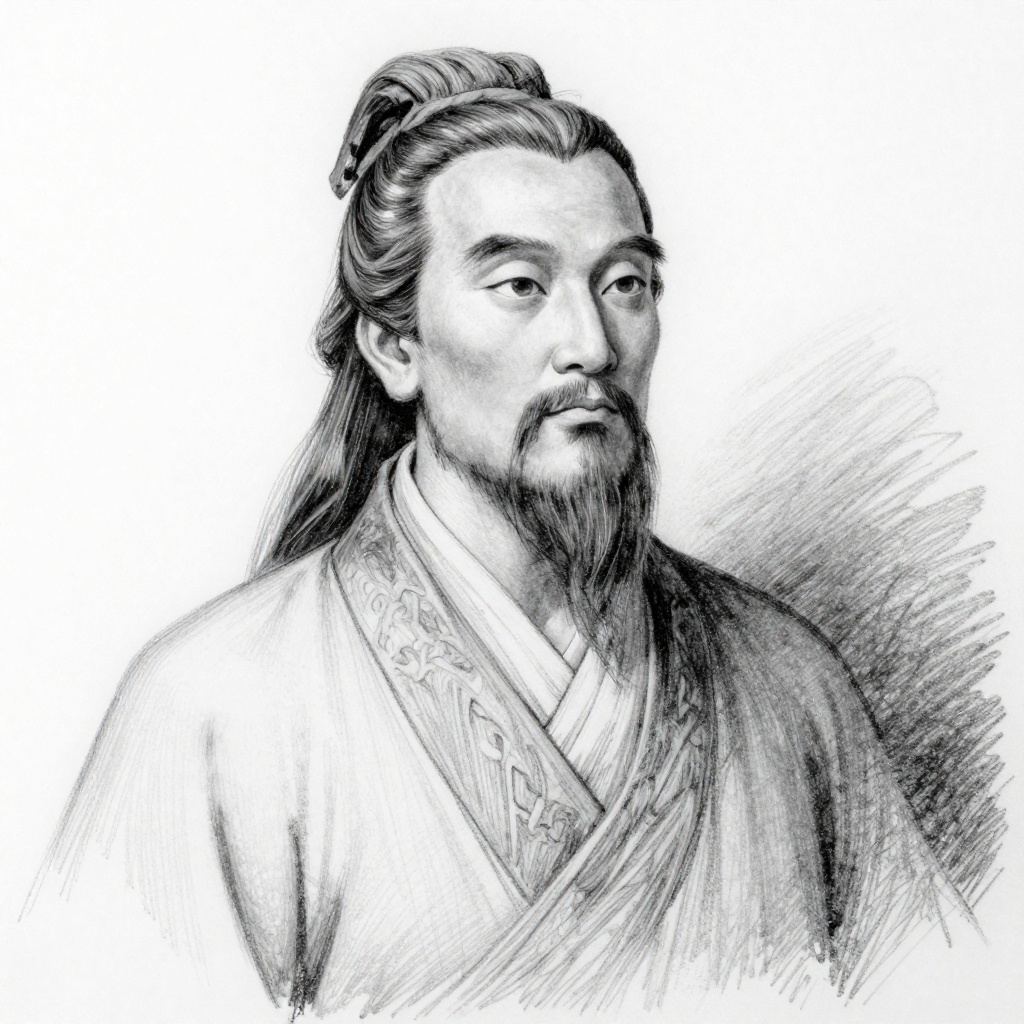
Comments