Quote · Added 14 February 2026
To see the right and not to do it is cowardice.
ConfuciusThe Analects, Book 2, 2001
No ratings yet
Quote · Added 14 February 2026
We all know the feeling of spotting something wrong—a friend being treated unfairly, a decision that doesn't sit right, a moment where speaking up matters. And then we feel the familiar pull to stay quiet. We tell ourselves it's not our place, or that nothing will change anyway, or that the cost to us isn't worth it. But Confucius is pointing at something harder to ignore: silence in the face of what we know is wrong isn't actually neutral. It's a choice, and it takes its own kind of courage to avoid making it.
The tricky part is that this doesn't require grand moral stands. It's the everyday moments—calling out a comment at work, admitting a mistake to someone you've let down, pushing back on gossip, or simply saying "I'm not comfortable with this." The resistance we feel isn't usually about moral confusion; it's about fear. Fear of friction, of being seen as difficult, of losing something we value. Confucius is suggesting that accepting that fear without action is its own form of weakness.
What makes this insight sting a little is how it flips the typical story we tell ourselves. We think of cowardice as the big dramatic failure, but really it's the small daily evasion—knowing better and choosing the easier path anyway.
d. 479
Confucius was a Chinese philosopher and teacher who lived in the 6th–5th century BC. Known for his ethical teachings, he emphasized personal and governmental morality, proper social relationships, justice, and sincerity. His ideas and philosophy, compiled in the Analects, have had a profound influence on Chinese culture and governance.
Also by Confucius
If you hate someone, then you are defeated by him.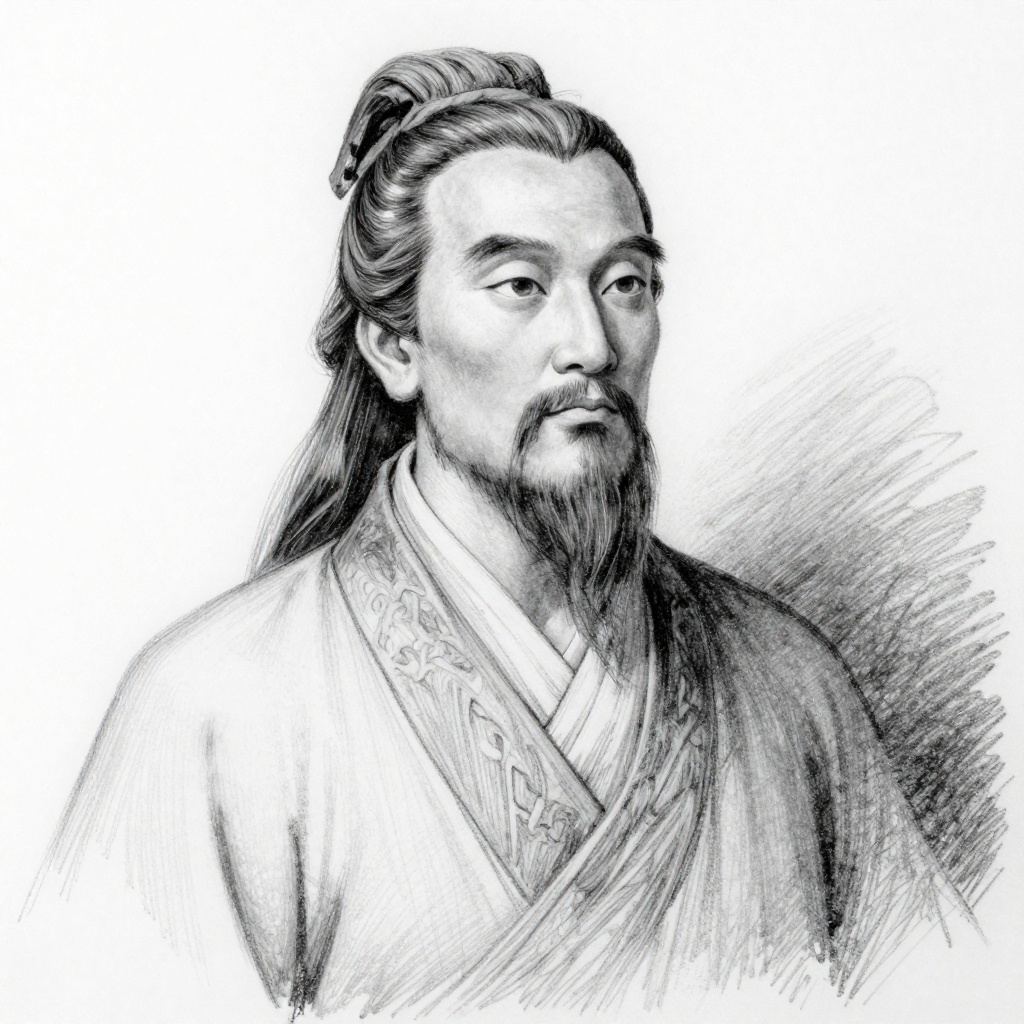
Comments