Quote · Added 14 February 2026
The superior man thinks always of virtue; the common man thinks of comfort.
ConfuciusThe Analects, Book 4, 2001
No ratings yet
Quote · Added 14 February 2026
There's a useful tension hidden in this old line. It's not really about being morally superior or inferior—it's about what pulls your attention. When you're hungry, tired, or stressed, your mind naturally drifts toward what's easiest: scrolling instead of calling someone you've been meaning to check in on, staying silent when you could speak up, taking the shortcut that costs someone else something.
The insight is that this isn't a fixed character trait. You're not born "common" or "superior." Instead, it describes which direction you're leaning in any given moment. You might read that angry text and feel the pull toward a cutting reply (comfort—instant satisfaction), then pause and choose the harder response that actually repairs something (virtue). The superior man in this quote is just someone who builds the habit of that pause, who nudges his attention toward what matters even when the easier path is right there.
What makes this sting a little in modern life is that comfort has never been more accessible. We can optimize our ease in countless small ways. But Confucius is suggesting that the meaningful life comes from occasionally choosing the friction—the conversation you don't want to have, the standard you hold when no one's watching, the thing that costs you something real. That choice, made repeatedly, is what the difference actually is.
d. 479
Confucius was a Chinese philosopher and teacher who lived in the 6th–5th century BC. Known for his ethical teachings, he emphasized personal and governmental morality, proper social relationships, justice, and sincerity. His ideas and philosophy, compiled in the Analects, have had a profound influence on Chinese culture and governance.
Also by Confucius
If you hate someone, then you are defeated by him.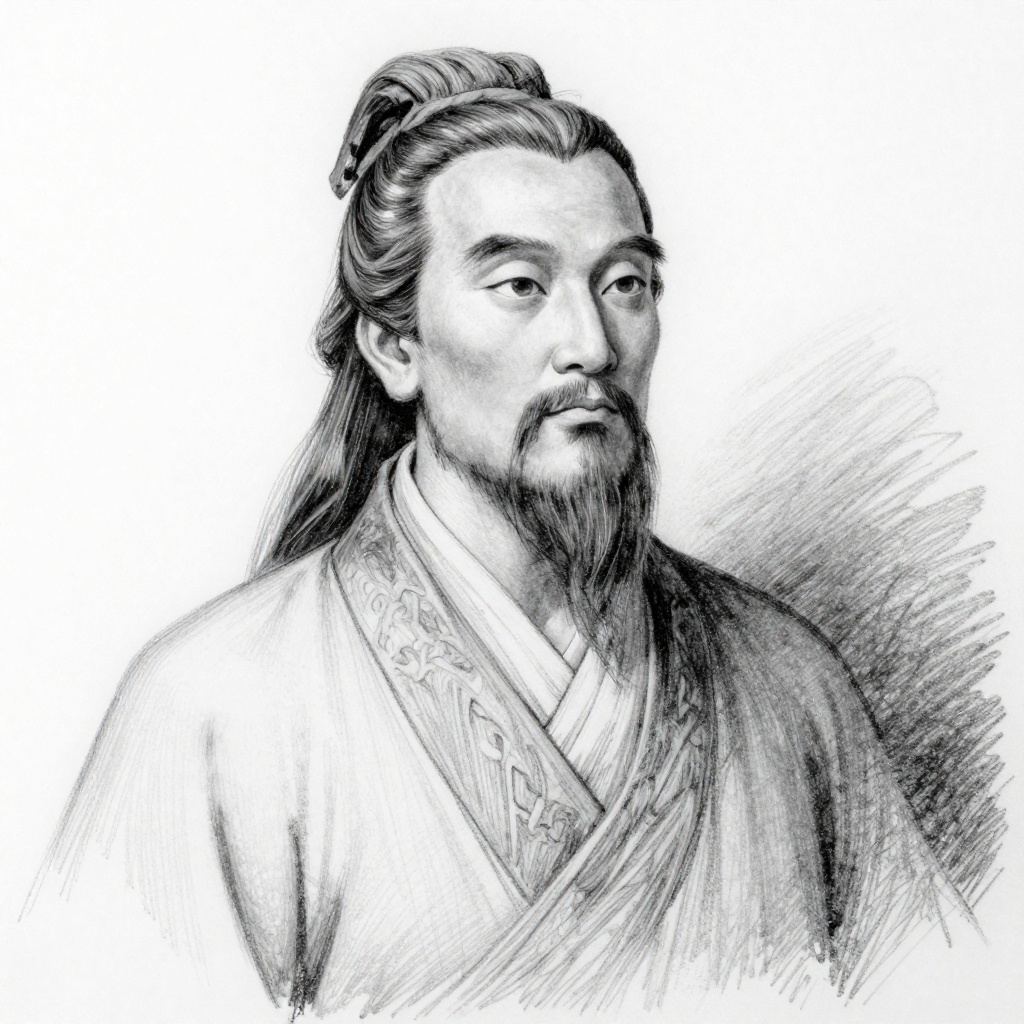
Comments