Quote · Added 14 February 2026
The superior man acts before he speaks, and afterwards speaks according to his action.
ConfuciusAnalects, Book 2, 2001
No ratings yet
Quote · Added 14 February 2026
There's something refreshing about this idea in a world obsessed with communication. We've been taught that articulate people—the ones who can talk their way through anything—are the winners. But Confucius points to something different: credibility comes from doing first, then explaining. Your actions create the material for your words, not the other way around.
This matters because we live in an age of endless talking. We make grand announcements before we've actually delivered anything. We build personal brands on promises we haven't kept yet. Meanwhile, the person who quietly gets things done, then describes what they learned from the experience, carries a completely different weight. When they speak, people listen because their words match reality.
The non-obvious part? This doesn't mean staying silent until you're perfect. It means the best leaders, parents, and friends aren't necessarily the most eloquent—they're the ones whose actions make their words believable. A parent who admits they messed up, then visibly changes, teaches more than a parent who just lectures. A colleague who tackles a hard problem and then shares the lessons is more persuasive than one who theorizes endlessly. Alignment between doing and saying isn't just honorable; it's the real currency of influence.
d. 479
Confucius was a Chinese philosopher and teacher who lived in the 6th–5th century BC. Known for his ethical teachings, he emphasized personal and governmental morality, proper social relationships, justice, and sincerity. His ideas and philosophy, compiled in the Analects, have had a profound influence on Chinese culture and governance.
Also by Confucius
If you hate someone, then you are defeated by him.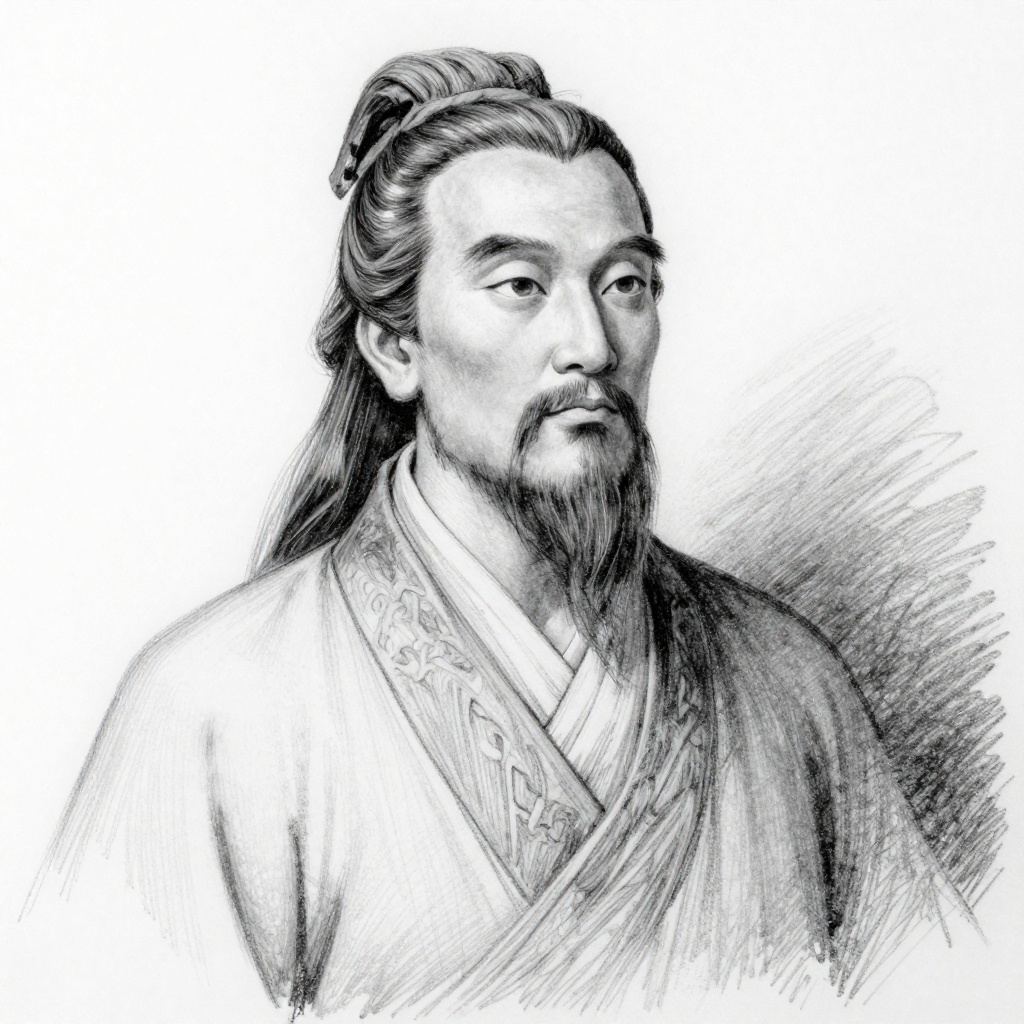
Comments