Quote · Added 14 February 2026
The object of the superior man is truth.
ConfuciusThe Analects, Book 12, 2001
No ratings yet
Quote · Added 14 February 2026
We live in an age where you can find evidence for almost anything if you look hard enough. Yet there's something almost radical about ordering your life around truth itself—not victory, not comfort, not being right, but actually getting closer to how things actually are. Confucius isn't saying this makes you popular or successful. He's suggesting it's the defining mark of someone worth becoming.
The tricky part is that pursuing truth often means admitting confusion, changing your mind, or discovering you were wrong about something that mattered to you. It's easier to defend a position than to genuinely investigate it. Most of us slip into believing what's convenient or what our community believes, then we stop looking. We mistake certainty for understanding.
But notice what happens when you genuinely prioritize truth in small ways—asking a difficult question instead of accepting the story you've told yourself, listening to someone you disagree with, sitting with not knowing. You start to see yourself and the world more clearly. You make better decisions. People sense you're not performing a version of yourself. That orientation toward what's actually true, rather than what sounds good or keeps things simple, quietly becomes its own kind of strength.
d. 479
Confucius was a Chinese philosopher and teacher who lived in the 6th–5th century BC. Known for his ethical teachings, he emphasized personal and governmental morality, proper social relationships, justice, and sincerity. His ideas and philosophy, compiled in the Analects, have had a profound influence on Chinese culture and governance.
Also by Confucius
If you hate someone, then you are defeated by him.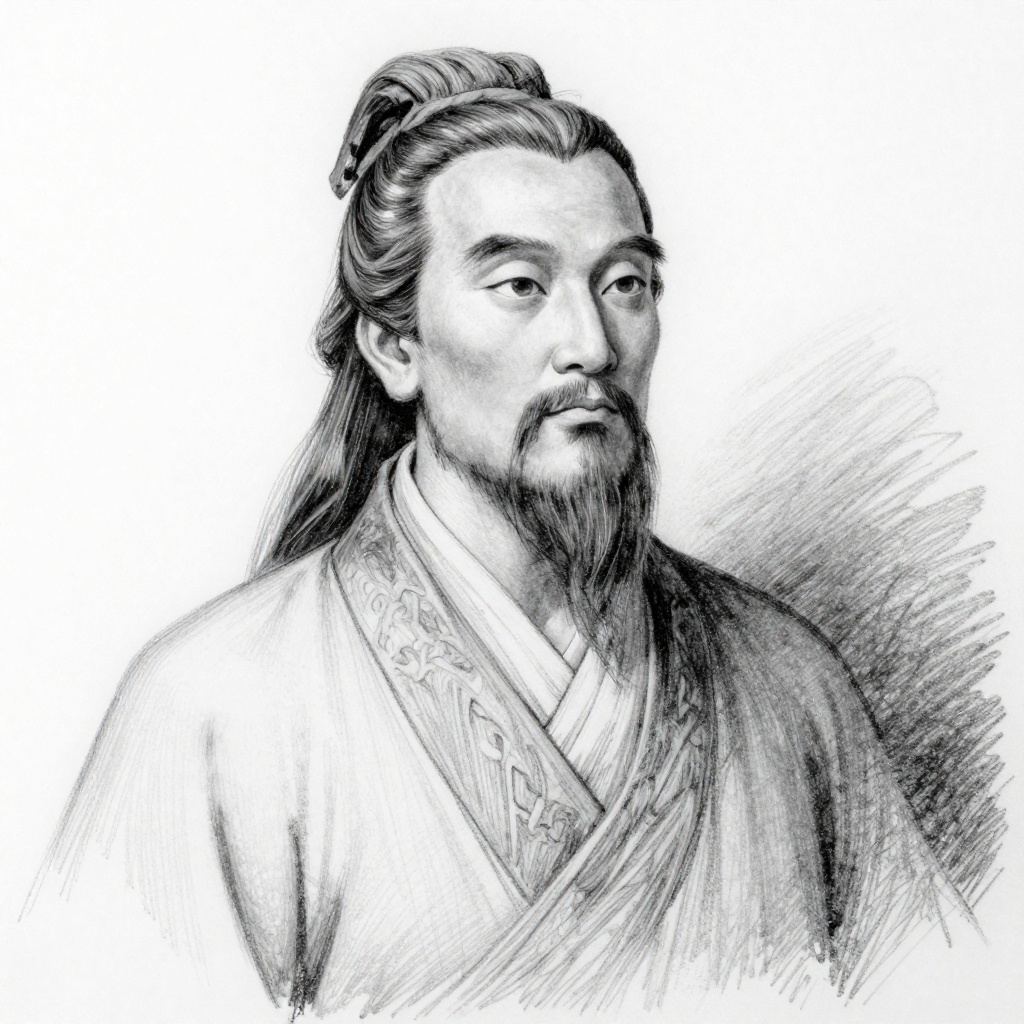
Comments