Quote · Added 14 February 2026
The more man meditates upon good thoughts, the better will be his world and the world at large.
No ratings yet
Filed undermeditation·goodness·impact
Quote · Added 14 February 2026
Filed undermeditation·goodness·impact
There's something almost radical about this idea when you sit with it: your inner life isn't just private. It actually ripples outward. This isn't mystical thinking—it's about how our thoughts shape our choices, our tone, the way we show up with people. Someone who spends time genuinely thinking about what matters, about how to be fair or kind, naturally makes different decisions than someone running on autopilot or nursing resentment. They're less defensive, more patient, quicker to see someone else's perspective.
The tricky part is that we usually wait for the world to change first. We think once things get better around us, then we'll feel better and think better thoughts. But Confucius is pointing to the opposite direction—it starts with us, with the deliberate work of turning our attention toward what's good. That might mean noticing what you're grateful for, thinking through a conflict from someone else's angle, or just pausing instead of reacting. Small mental shifts that seem invisible until they're not.
What's worth noting is how unsexy this feels in a world that wants quick fixes. Better thoughts won't solve everything. But they do make you harder to anger, easier to live with, and genuinely more likely to make better decisions about the people and situations in front of you. And that actually does change your world.
d. 479
Confucius was a Chinese philosopher and teacher who lived in the 6th–5th century BC. Known for his ethical teachings, he emphasized personal and governmental morality, proper social relationships, justice, and sincerity. His ideas and philosophy, compiled in the Analects, have had a profound influence on Chinese culture and governance.
Also by Confucius
If you hate someone, then you are defeated by him.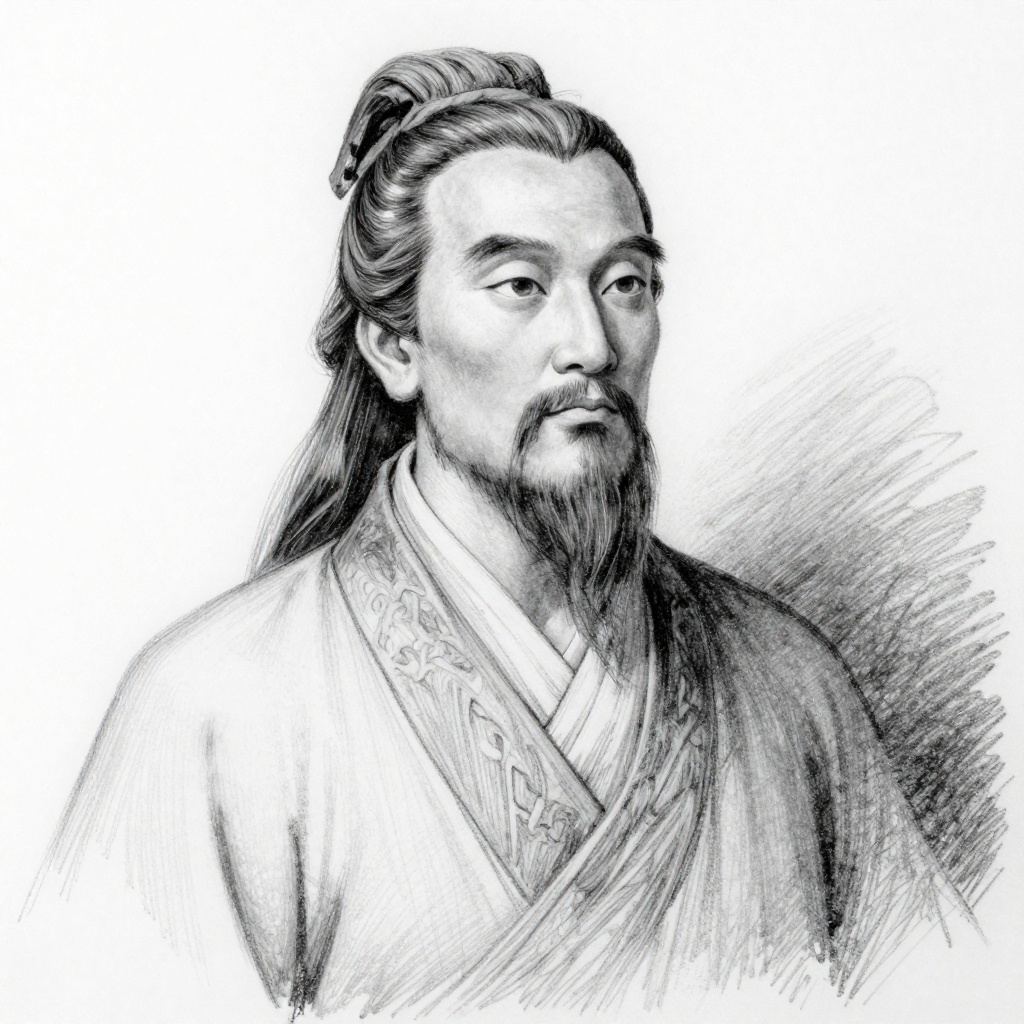
Comments