Quote · Added 16 February 2026
The man who moves a mountain begins by carrying away small stones.
No ratings yet
Filed undermountain·perseverance·effort
Quote · Added 16 February 2026
Filed undermountain·perseverance·effort
We know this is true intellectually—big things come from small steps—but we still feel the friction of it constantly. We want the mountain moved now, not after months of carrying pebbles. That gap between knowing and accepting is where most of us get stuck. We either give up because progress feels invisible, or we never start because the full scope seems impossible.
The real insight here is that small stones aren't just stepping stones to the goal. They're the only way your brain actually reorganizes itself to handle a mountain. Each stone you carry builds capability you didn't have before. Your body learns the motion. Your mind learns you can do hard things repeatedly. By the time you've moved hundreds of stones, moving a mountain doesn't seem like an absurd fantasy anymore—it seems inevitable.
This matters when you're facing anything that genuinely requires transformation: fitness, learning, relationships, creative work. The mistake isn't thinking too big. It's thinking that thinking big is enough. The people who actually move mountains are the ones who got bored with the idea of how far they still had to go, and just picked up the next stone.
d. 479
Confucius was a Chinese philosopher and teacher who lived in the 6th–5th century BC. Known for his ethical teachings, he emphasized personal and governmental morality, proper social relationships, justice, and sincerity. His ideas and philosophy, compiled in the Analects, have had a profound influence on Chinese culture and governance.
Also by Confucius
If you hate someone, then you are defeated by him.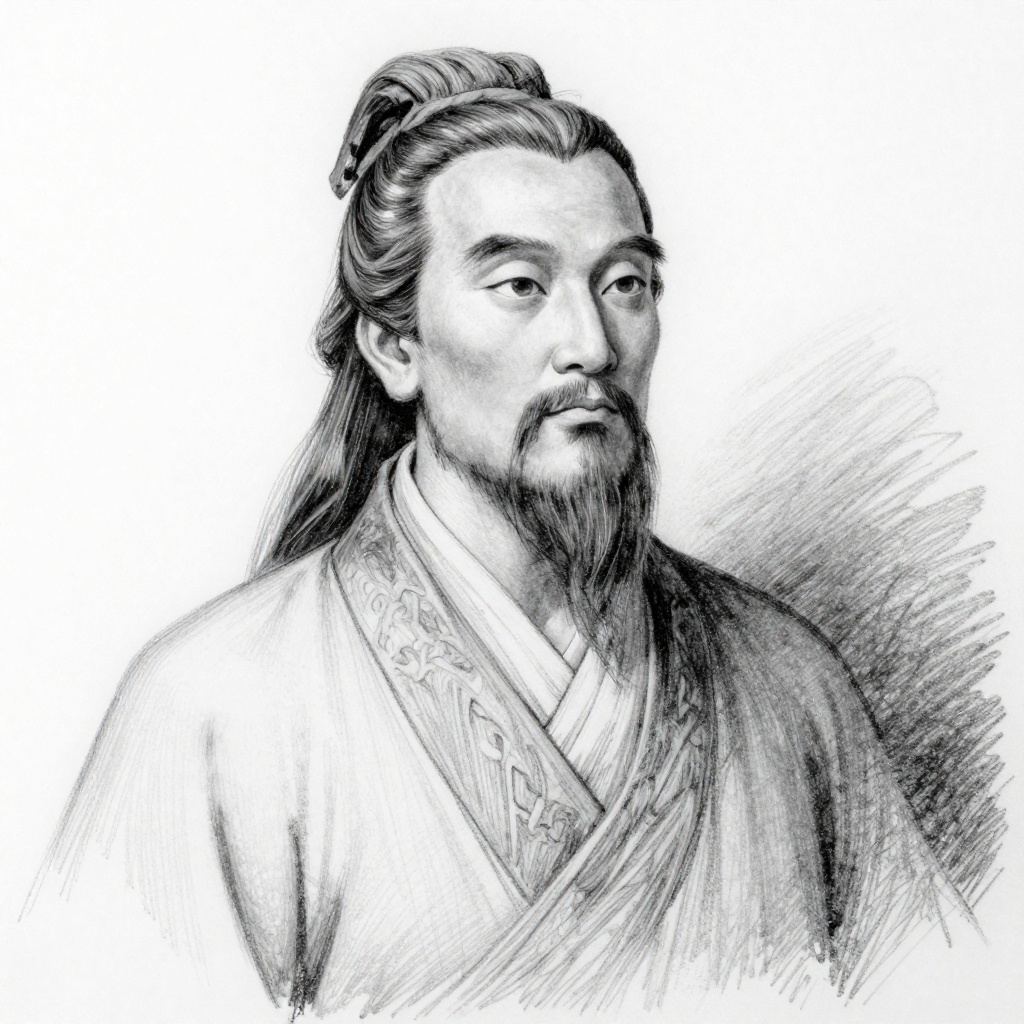
Comments