Quote · Added 27 April 2024
The man who asks a question is a fool for a minute, the man who does not ask is a fool for life.
No ratings yet
Quote · Added 27 April 2024
We live in an age where it feels risky to admit what we don't know. There's this quiet pressure to seem competent, informed, prepared—especially at work, in relationships, or even just scrolling through conversations online. So we nod along, Google things later in private, or pretend we understand when we don't. The result? We stay stuck in confusion, making decisions based on incomplete information, repeating mistakes, or missing chances to actually learn.
The thing about asking a question is that it's temporary. Yes, you might feel foolish for thirty seconds. But that moment passes. You get an answer, and suddenly you're not confused anymore. The real cost comes from the other choice—staying silent. That's when you become the fool for life, making the same guesses over and over, building your life on shaky ground, wondering why things never quite work out.
What's interesting is that the people we actually respect—whether they're good managers, thoughtful friends, or genuinely knowledgeable people—ask questions constantly. They're not afraid of looking dumb because they understand something basic: not knowing is just the starting point, not a character flaw. That moment of vulnerability is actually where real growth happens.
d. 479
Confucius was a Chinese philosopher and teacher who lived in the 6th–5th century BC. Known for his ethical teachings, he emphasized personal and governmental morality, proper social relationships, justice, and sincerity. His ideas and philosophy, compiled in the Analects, have had a profound influence on Chinese culture and governance.
Also by Confucius
If you hate someone, then you are defeated by him.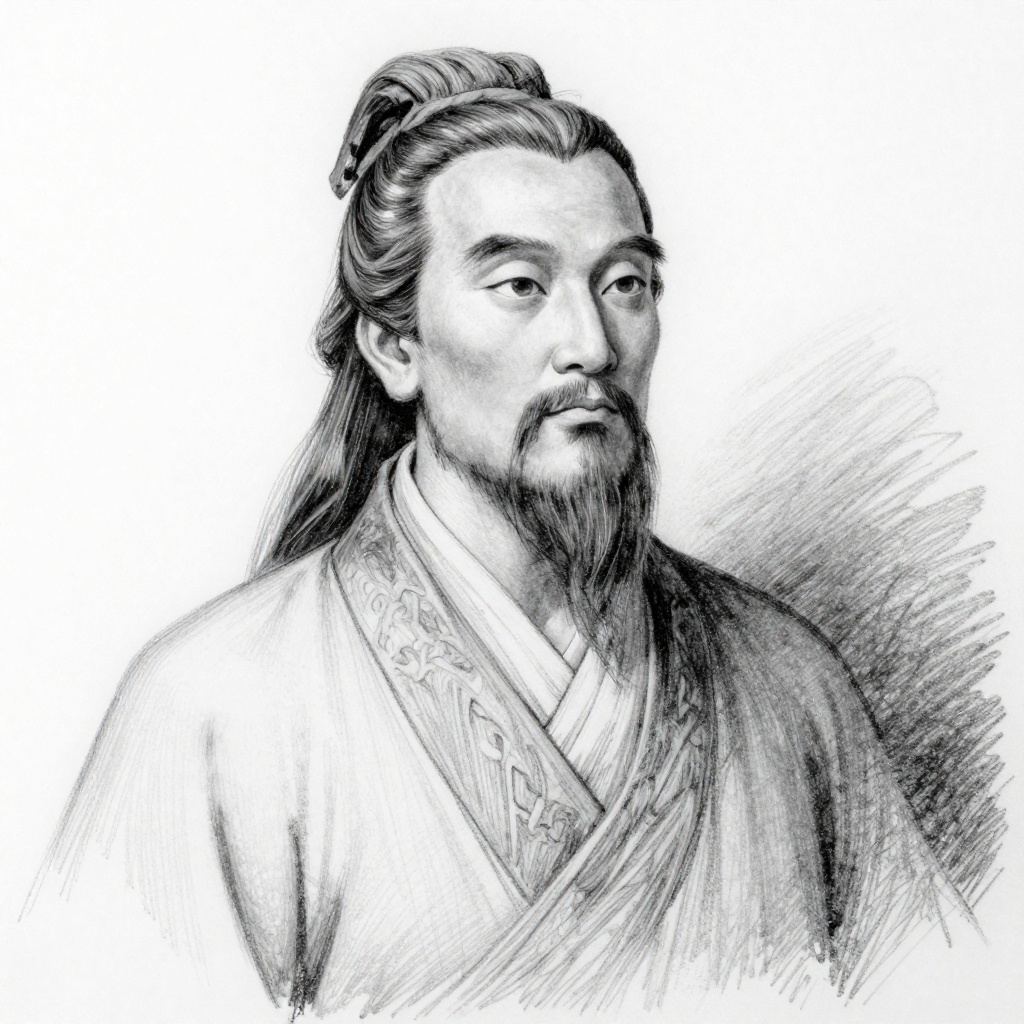
Comments · 1
Fool for a minute? Not even that. Always ask.