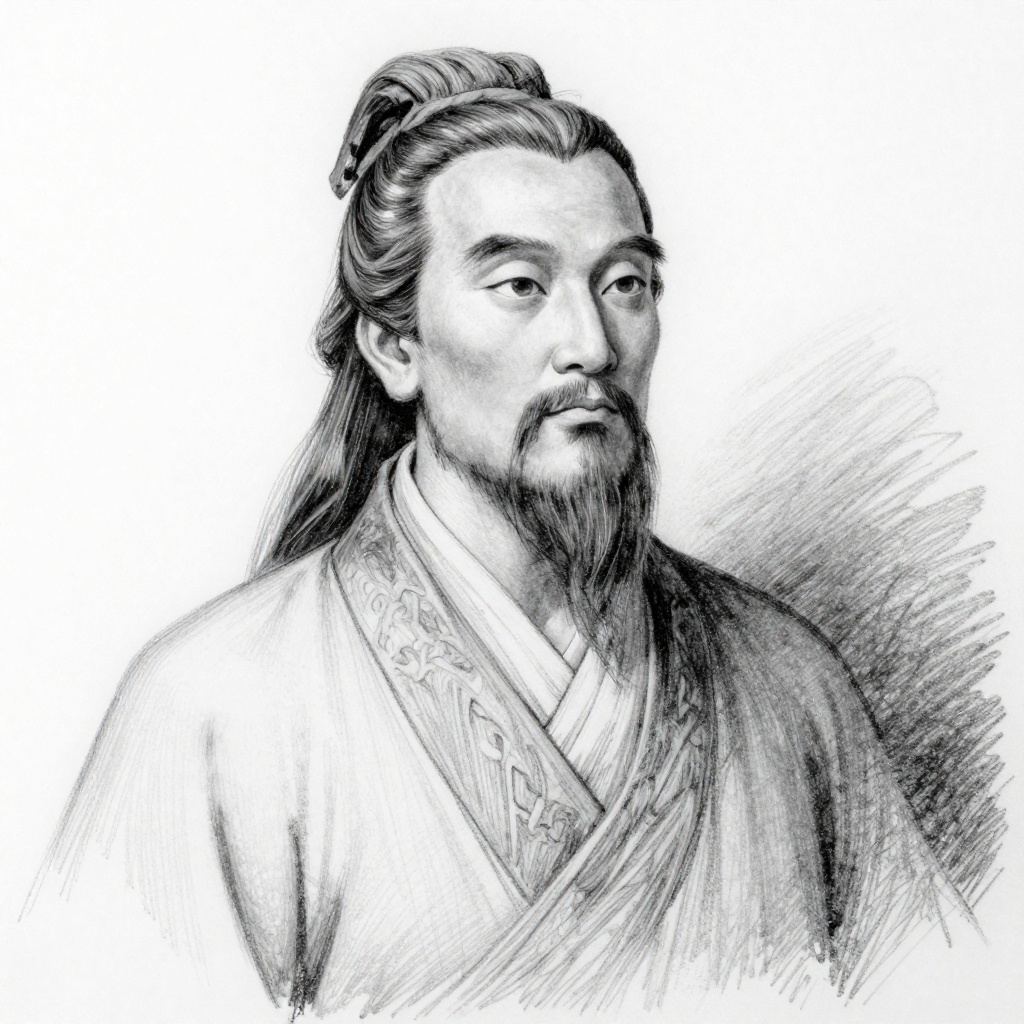
The cucumber is bitter? Then throw it out. There are brambles in the path? Then go around. That’s all you need... — Confucius

The cucumber is bitter? Then throw it out. There are brambles in the path? Then go around. That’s all you need to know.

Author: Confucius

Insight: We spend so much energy complaining about obstacles—the terrible job, the difficult person, the unfair circumstance—as if naming the problem constitutes some kind of progress. Confucius cuts through this completely. He's not being callous; he's being practical in a way we've largely forgotten. When something bitter shows up, you don't need to spend weeks analyzing why it's bitter or trying to convince others it shouldn't be. You just remove it from your plate. The non-obvious part here is that this philosophy doesn't require you to be grateful or pretend things are fine. It doesn't demand a positive attitude. It just says: acknowledge the reality, then act. The brambles aren't a personal insult. The closed door isn't unfair. They're just features of the landscape you're moving through, and you adjust your route accordingly. Most of our suffering comes not from the obstacles themselves but from the mental loop we create around them—the resentment, the replaying, the "why me." What makes this radical today is how much we're encouraged to fight through, optimize, and overcome everything. Sometimes the most adult response isn't to power through the bitter cucumber. It's to notice it, acknowledge it, and move on to something better.

Stop fighting what you can't change

The cucumber is bitter? Then throw it out. There are brambles in the path? Then go around. That’s all you need to know.

We spend so much energy complaining about obstacles—the terrible job, the difficult person, the unfair circumstance—as if naming the problem constitutes some kind of progress. Confucius cuts through this completely. He's not being callous; he's being practical in a way we've largely forgotten. When something bitter shows up, you don't need to spend weeks analyzing why it's bitter or trying to convince others it shouldn't be. You just remove it from your plate.

The non-obvious part here is that this philosophy doesn't require you to be grateful or pretend things are fine. It doesn't demand a positive attitude. It just says: acknowledge the reality, then act. The brambles aren't a personal insult. The closed door isn't unfair. They're just features of the landscape you're moving through, and you adjust your route accordingly. Most of our suffering comes not from the obstacles themselves but from the mental loop we create around them—the resentment, the replaying, the "why me."

What makes this radical today is how much we're encouraged to fight through, optimize, and overcome everything. Sometimes the most adult response isn't to power through the bitter cucumber. It's to notice it, acknowledge it, and move on to something better.

AI generated

Comments

Sign in to leave a comment or reply to one.

Sign in

Confucius

Confucius was a Chinese philosopher and teacher who lived in the 6th–5th century BC. Known for his ethical teachings, he emphasized personal and governmental morality, proper social relationships, justice, and sincerity. His ideas and philosophy, compiled in the Analects, have had a profound influence on Chinese culture and governance.

Graph

Related