Quote · Added 14 February 2026
Study the past, if you would divine the future.
ConfuciusAnalects, Book 2, 5th Century BC
No ratings yet
Quote · Added 14 February 2026
We tend to think of the future as unknowable territory that no amount of preparation can touch. But Confucius is pointing at something quieter and more practical: the future isn't random. It follows patterns. If you want to navigate what's coming, you need to understand how things actually work—and that knowledge lives in what's already happened.
This matters today especially because we're drowning in predictions and speculation while starving for actual understanding. We scroll through forecasts and hot takes, but we rarely slow down to ask: What actually happened the last time something like this occurred? What did people get wrong then? What surprised them? That historical awareness is the real edge, yet it requires patience most of us don't want to invest. It's easier to chase the next headline than to develop the depth that comes from studying patterns.
The non-obvious part is that studying the past isn't about feeling nostalgic or finding "timeless wisdom." It's about becoming a better pattern-recognizer. Economic cycles, relationship breakdowns, how institutions actually change—these repeat with variations. When you understand those rhythms, you're not predicting so much as you're avoiding predictable mistakes while staying flexible enough to spot what actually is new.
d. 479
Confucius was a Chinese philosopher and teacher who lived in the 6th–5th century BC. Known for his ethical teachings, he emphasized personal and governmental morality, proper social relationships, justice, and sincerity. His ideas and philosophy, compiled in the Analects, have had a profound influence on Chinese culture and governance.
Also by Confucius
If you hate someone, then you are defeated by him.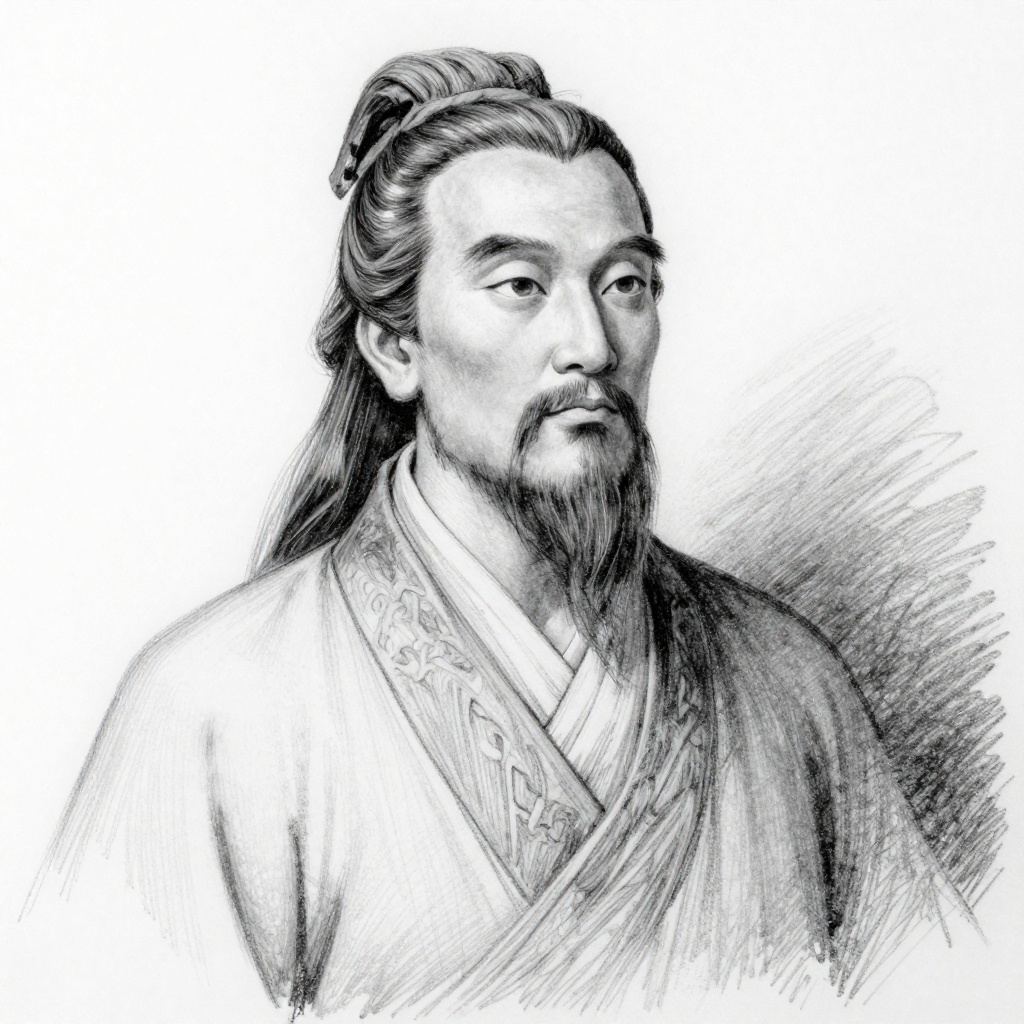
Comments