Quote · Added 8 February 2026
Only the wisest and stupidest of men never change.
ConfuciusThe Analects, Book 17, Verse 3 (17.3) (6th C. BC - 3rd C. AD)
No ratings yet
Quote · Added 8 February 2026
There's a strange comfort in stubbornness. Whether we refuse to budge because we're absolutely certain we're right, or because we're too lazy to reconsider, staying fixed feels like strength. But Confucius is pointing at something worth sitting with: the people who never change might not be the most grounded—they might actually be trapped in the narrowest thinking possible.
The twist is that changing your mind isn't weakness or indecision. It's actually harder than staying put. It requires admitting you were wrong, tolerating confusion, and rebuilding your worldview. Most of us do this reluctantly, in small ways—reconsidering a friendship, shifting our political views, or finally accepting that our go-to approach to work isn't working. That friction is exactly where wisdom lives. The wisest people aren't those with all the answers locked in. They're the ones flexible enough to update their understanding when the evidence shows up.
What makes this relevant now is how much energy we spend defending positions we half-believe in. We'd rather win an argument than find out what's actually true. Real growth—the kind that makes life richer—asks us to be humble enough to shift. It's not about flip-flopping. It's about staying alive to reality instead of calcifying around yesterday's conclusions.
d. 479
Confucius was a Chinese philosopher and teacher who lived in the 6th–5th century BC. Known for his ethical teachings, he emphasized personal and governmental morality, proper social relationships, justice, and sincerity. His ideas and philosophy, compiled in the Analects, have had a profound influence on Chinese culture and governance.
Also by Confucius
If you hate someone, then you are defeated by him.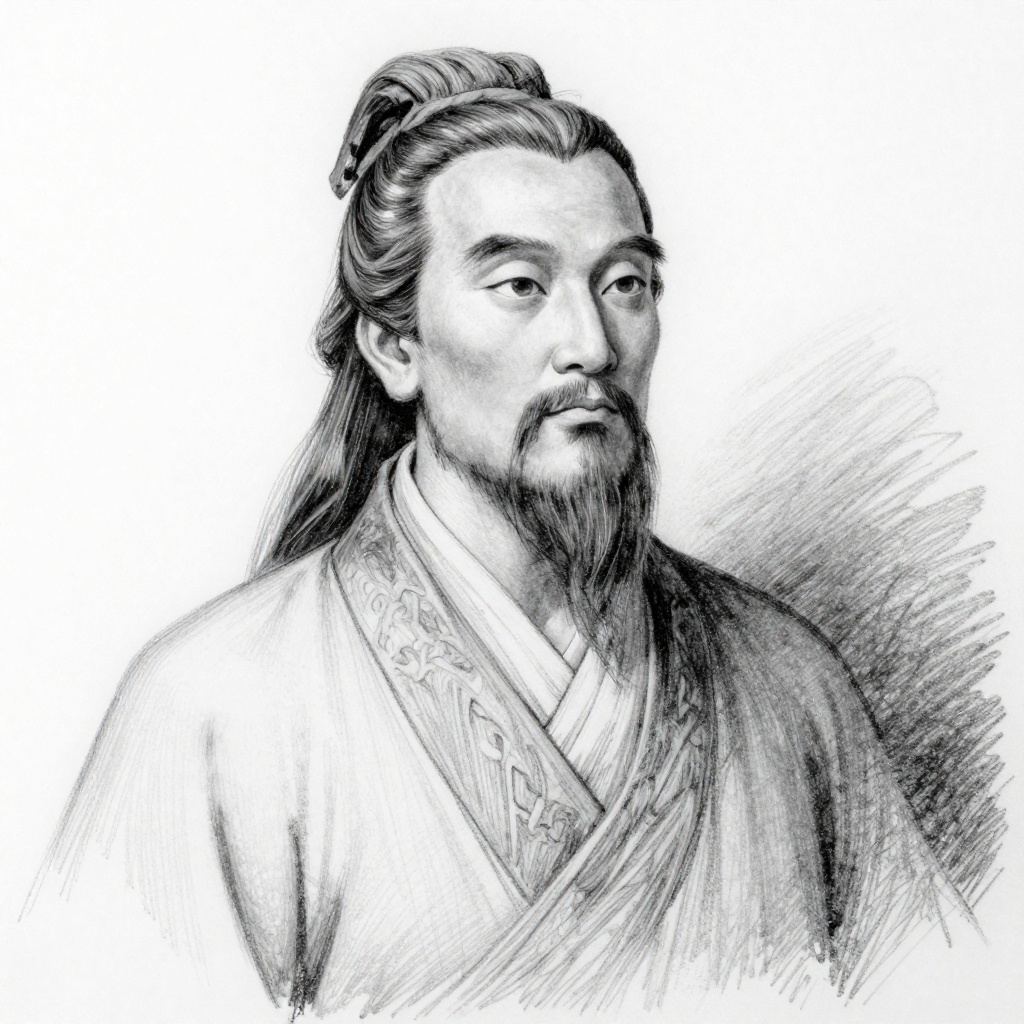
Comments