Quote · Added 14 February 2026
Never give a sword to a man who can't dance.
ConfuciusThe Analects
No ratings yet
Quote · Added 14 February 2026
This old saying sounds like pure poetry until you realize Confucius is actually talking about something deeply practical: don't hand power to someone who hasn't learned restraint. Dancing requires balance, rhythm, awareness of space, and the ability to move without destroying everything around you. A person who can dance has practiced controlling their own body and reading a room. Someone who can't—who moves recklessly or only thinks about themselves—will cause damage the moment you give them anything sharp.
We see this play out constantly in modern life. It's the person promoted to management who hasn't learned to listen, now wielding budget decisions and hiring power. It's the social media user given a platform who treats it like a weapon. It's the angry person who gets authority and uses it to settle scores. The "sword" could be money, influence, a team to lead, or even just a microphone. The question isn't whether someone is smart or ambitious enough—it's whether they've developed the self-awareness and discipline to use power without hurting people.
The uncomfortable part is that most of us are dancing in some area of life while still clumsy in others. Before asking for more responsibility or opportunity, it's worth honestly asking: have I actually learned the restraint this requires?
d. 479
Confucius was a Chinese philosopher and teacher who lived in the 6th–5th century BC. Known for his ethical teachings, he emphasized personal and governmental morality, proper social relationships, justice, and sincerity. His ideas and philosophy, compiled in the Analects, have had a profound influence on Chinese culture and governance.
Also by Confucius
If you hate someone, then you are defeated by him.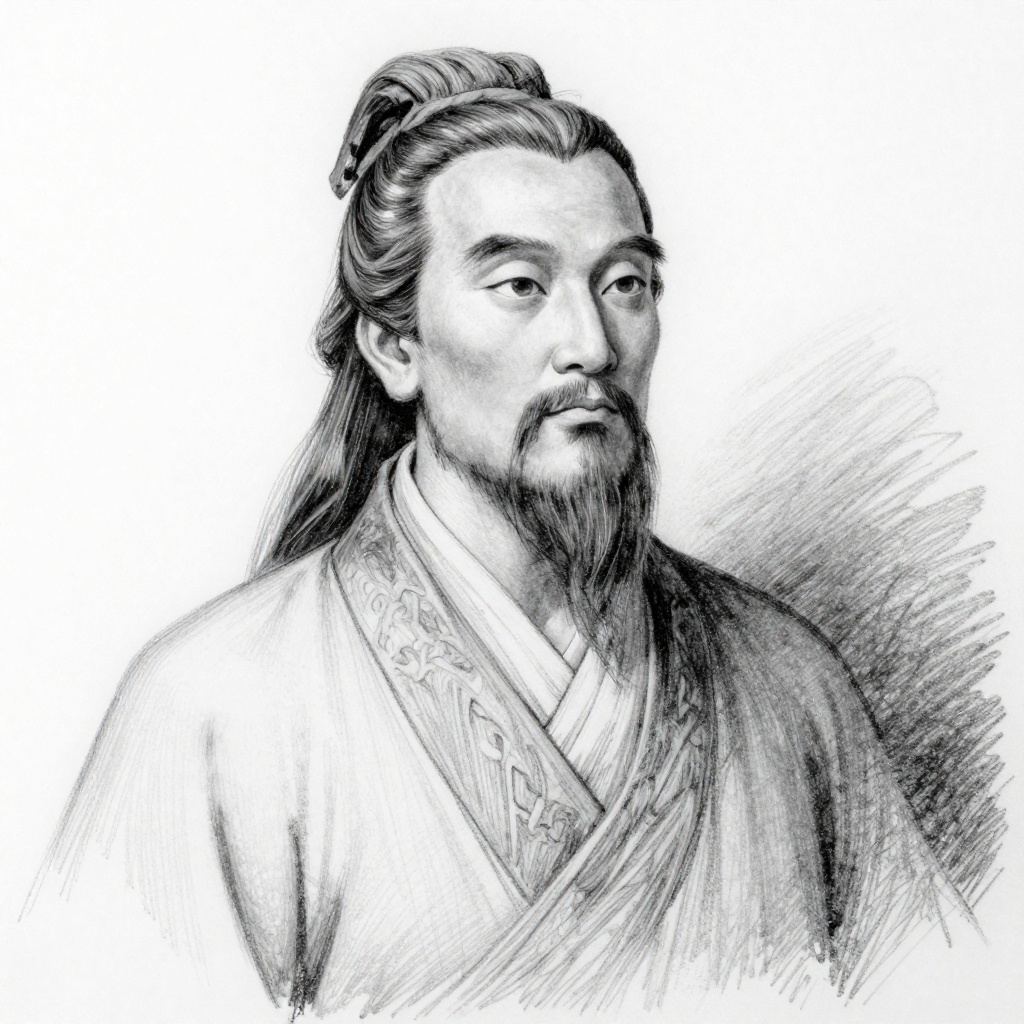
Comments