Quote · Added 17 February 2026
It doesn’t matter how slow you go, as long as you don’t stop.
No ratings yet
Filed underprogress·perseverance·determination
Quote · Added 17 February 2026
Filed underprogress·perseverance·determination
There's something quietly radical about this idea, especially when you live in a culture obsessed with speed and visible progress. We're trained to think that slow equals failure, that if you're not accelerating, you're falling behind. But this quote flips that entirely: the real failure is stopping. A person moving at a snail's pace toward something meaningful will get there. Someone who sprints for six months then quits? They're still at the starting line.
The tricky part is that stopping often feels justified. Life gets harder, motivation fades, or you realize you're not as talented as you thought. In those moments, it's tempting to reframe quitting as being "realistic" or "moving on." But there's a difference between honestly changing direction and just giving up. The quote isn't saying never adjust your goals—it's saying the compounding power of consistent effort, even tiny effort, eventually adds up to something real. Slow people who keep showing up outpace talented people who vanish.
What makes this stick around after 2,500 years is that it speaks to something we all know but forget: most meaningful things in life—relationships, skills, understanding yourself, building something—don't happen on a sprint schedule. They happen through the unglamorous repetition of people who simply refuse to stop.
d. 479
Confucius was a Chinese philosopher and teacher who lived in the 6th–5th century BC. Known for his ethical teachings, he emphasized personal and governmental morality, proper social relationships, justice, and sincerity. His ideas and philosophy, compiled in the Analects, have had a profound influence on Chinese culture and governance.
Also by Confucius
If you hate someone, then you are defeated by him.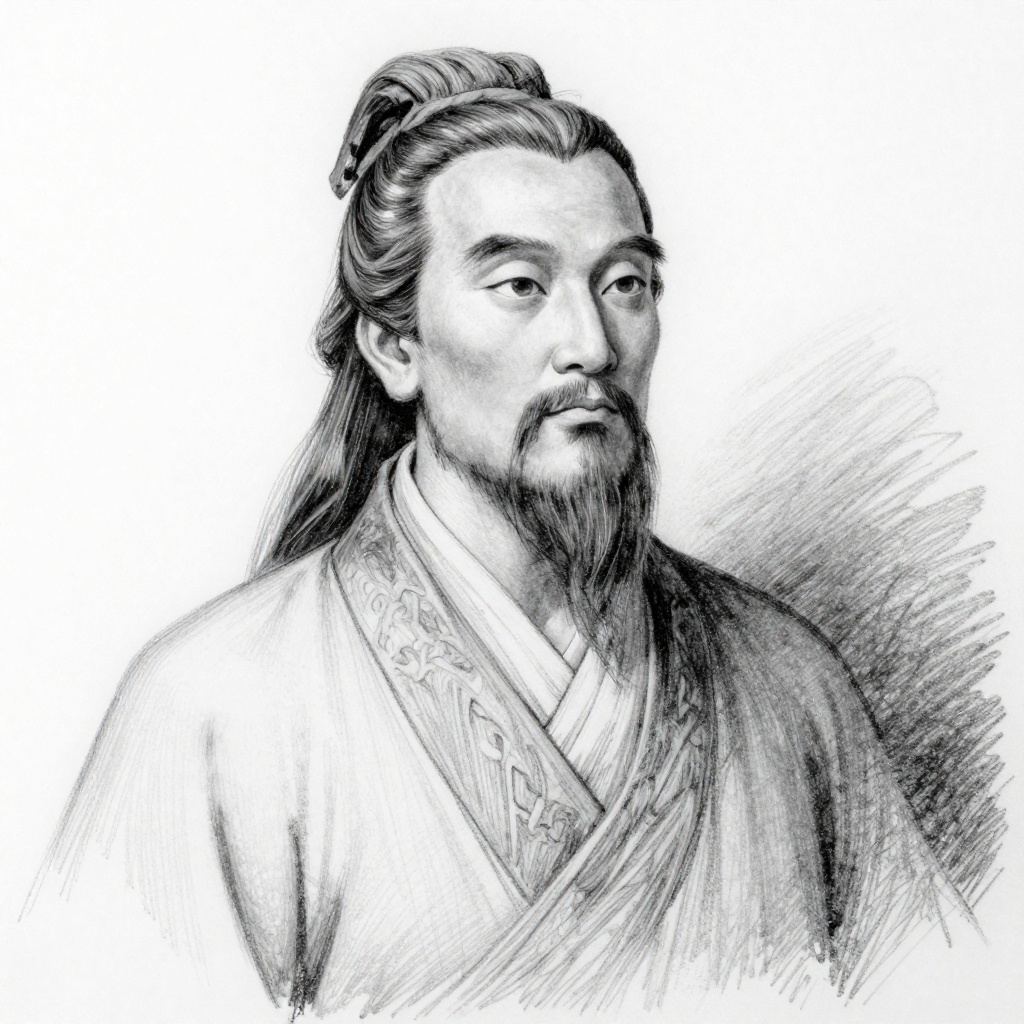
Comments