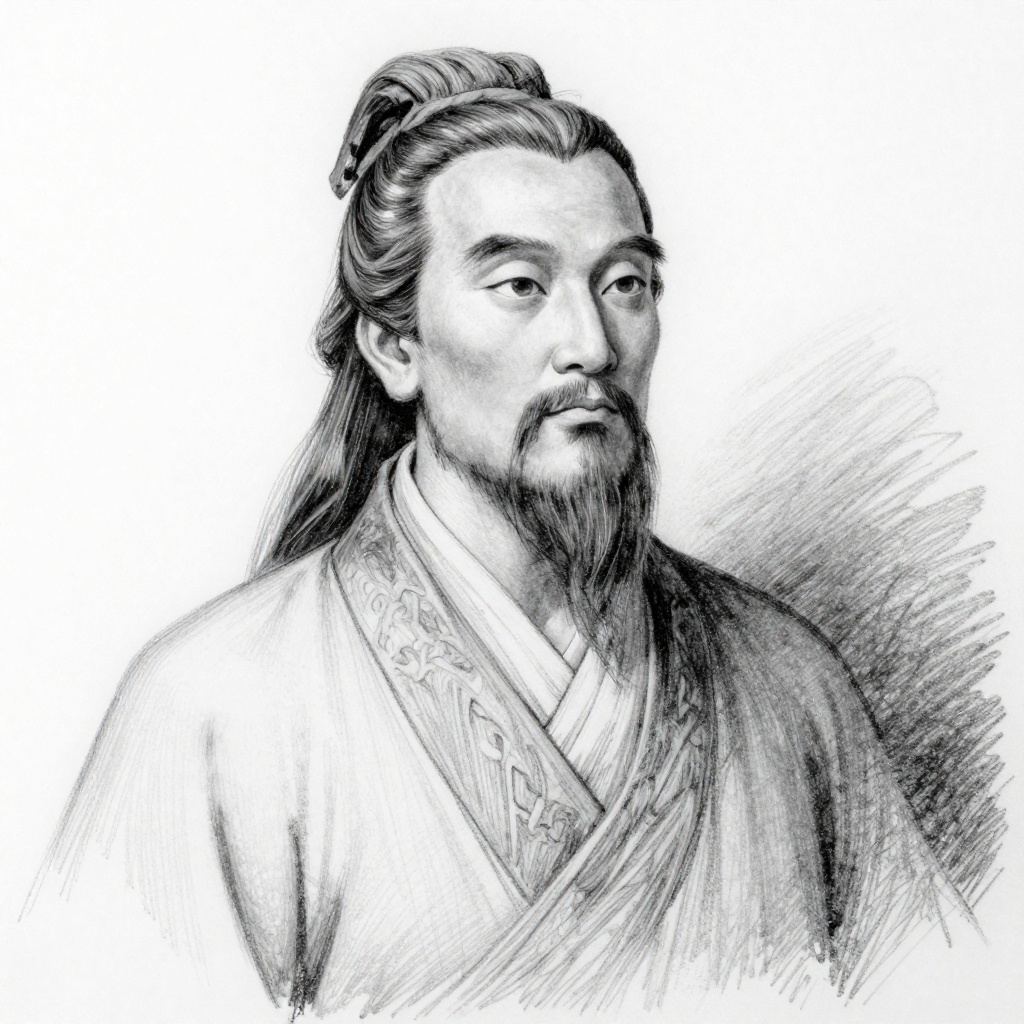
If you look into your own heart, and you find nothing wrong there, what is there to worry about? What is there... — Confucius
If you look into your own heart, and you find nothing wrong there, what is there to worry about? What is there to fear?
Author: Confucius
Insight: There's something quietly radical about this idea: that most of what we worry about isn't actually a problem we need to solve externally—it's a feeling we're already carrying inside. When you strip away the noise, Confucius is suggesting that anxiety often points to a gap between who we want to be and who we think we're being. If that gap doesn't exist, the worry loses its grip. The trick is that honest self-examination is harder than it sounds. We're very good at justifying ourselves to ourselves, at rewriting our own stories in a more flattering light. But when you actually sit with it—when you ask whether you acted fairly, kept your word, or treated someone with the respect you'd want for yourself—something shifts. Either you recognize you did your best with what you had, which is genuinely calming. Or you see clearly what needs changing, which is also clarifying, just in a different way. This hits differently in our age of comparison and performance. We're taught to worry about external judgments constantly. But Confucius points to something most of us have experienced: the specific relief that comes from knowing you've done right by someone, or by yourself. That's not about being perfect. It's about integrity being its own kind of security.