Quote · Added 14 February 2026
If we don't know life, how can we know death?
No ratings yet
Quote · Added 14 February 2026
We spend so much time chasing answers about what happens after we die—religion, science, philosophy—when maybe the real work is understanding what's happening right now. Confucius wasn't being mysterious here; he was practical. You can't map territory you've never explored. If you're still half-asleep through your actual life, distracted by your phone or stuck in routines that don't feel like yours, then your theories about death are just more fog.
This hits differently in our current moment. We're obsessed with legacy, with leaving something behind, with what people will remember. But that obsession often pulls us away from the only life we're certain we have. The irony is that people who actually seem alive—who notice things, who connect genuinely with others, who make choices that align with their values—don't usually spend as much time worrying about death. They're too busy living. Maybe the anxiety about death that haunts so many of us is actually a signal that we're not fully inhabiting our own existence yet. The question isn't "What happens when I die?" It's "Am I actually awake for this?"
d. 479
Confucius was a Chinese philosopher and teacher who lived in the 6th–5th century BC. Known for his ethical teachings, he emphasized personal and governmental morality, proper social relationships, justice, and sincerity. His ideas and philosophy, compiled in the Analects, have had a profound influence on Chinese culture and governance.
Also by Confucius
If you hate someone, then you are defeated by him.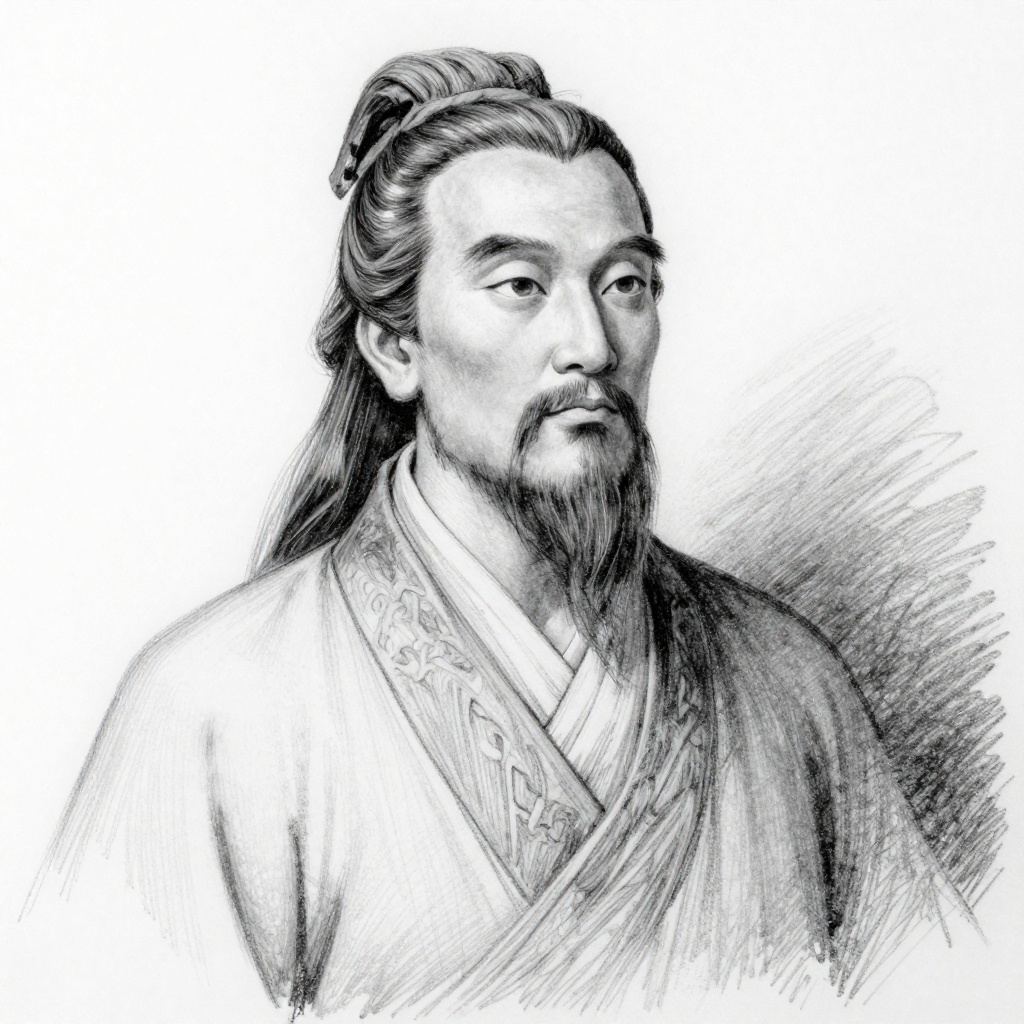
Comments