Quote · Added 1 October 2023
I hear and I forget. I see and I remember. I do and I understand.
No ratings yet
Filed underaction·learning·understanding
Quote · Added 1 October 2023
Filed underaction·learning·understanding
We've all sat through presentations where information washed over us like water, gone within hours. We've also watched a tutorial once and retained almost nothing. But the moment we actually try something ourselves—fumble through it, make mistakes, adjust—suddenly it clicks. This ancient observation captures something neuroscience now confirms: your brain doesn't truly own knowledge until your hands and body are involved.
The tricky part is that doing takes longer and feels messier than passively consuming. It's why we default to listening to podcasts about fitness instead of going to the gym, or reading about writing instead of writing. The illusion of learning through input is comfortable. Real understanding requires showing up and being willing to look clumsy while you're figuring it out.
What makes this quote unexpectedly useful today is that it's not just about learning skills. It applies to understanding people, situations, and yourself. You can read about empathy or listen to advice about relationships, but you only truly grasp them when you're in the messy middle of a real conflict, adjusting, failing, trying differently. Knowledge becomes wisdom only through the friction of lived experience.
d. 479
Confucius was a Chinese philosopher and teacher who lived in the 6th–5th century BC. Known for his ethical teachings, he emphasized personal and governmental morality, proper social relationships, justice, and sincerity. His ideas and philosophy, compiled in the Analects, have had a profound influence on Chinese culture and governance.
Also by Confucius
If you hate someone, then you are defeated by him.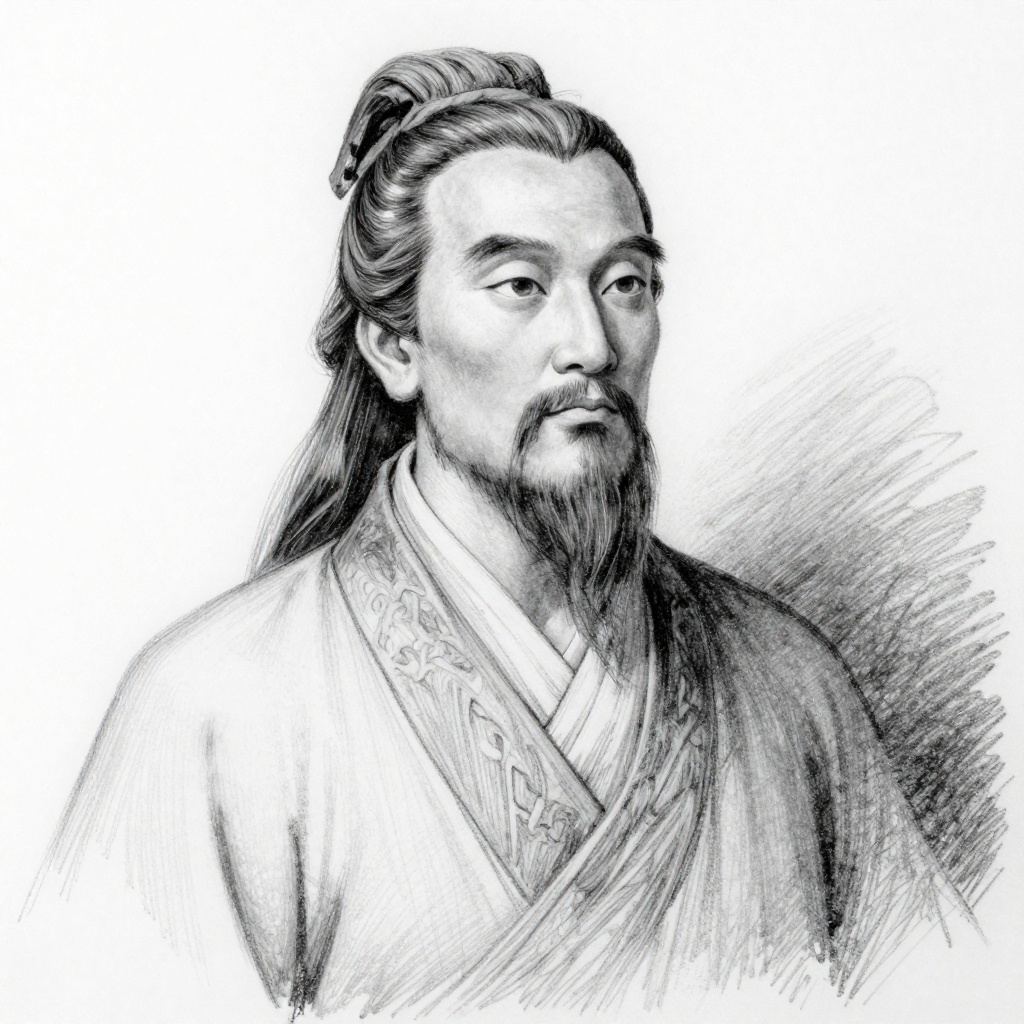
Comments