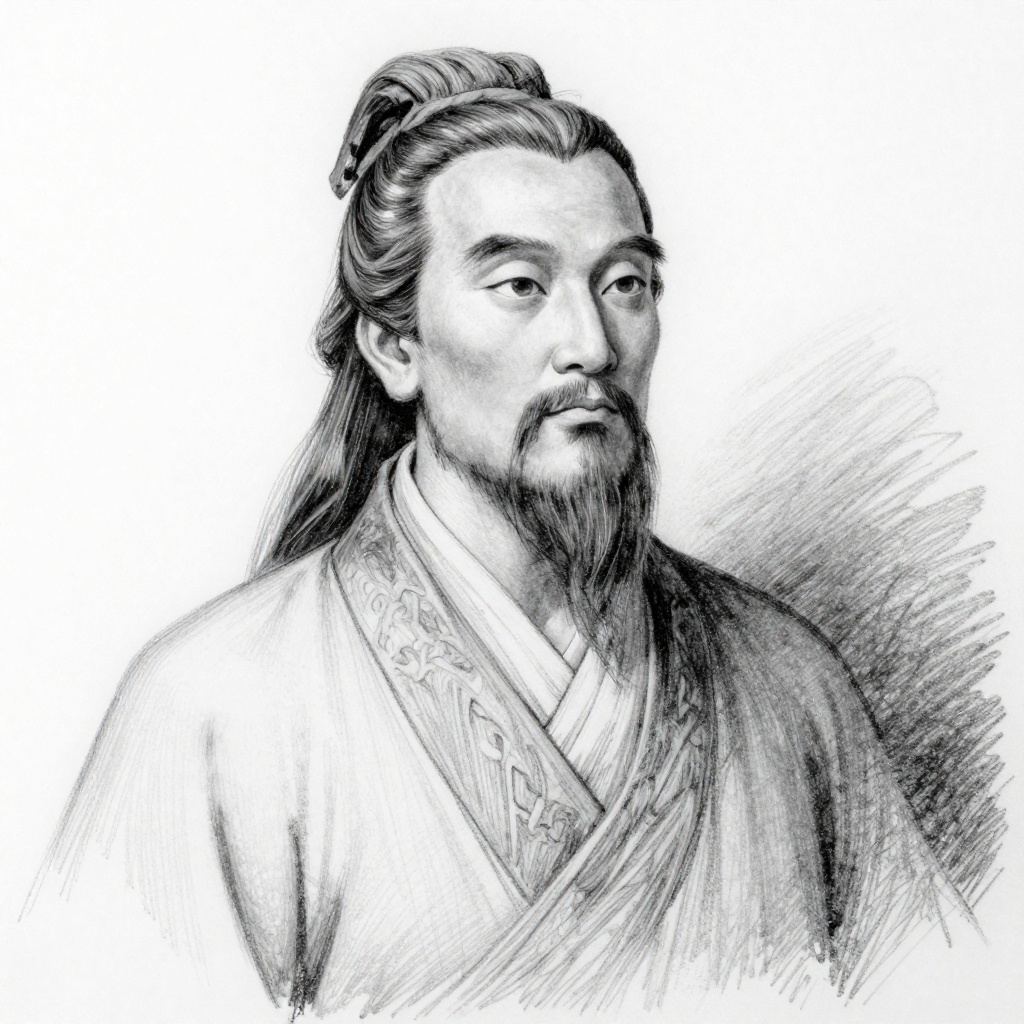
By three methods we may learn wisdom: First, by reflection, which is noblest; Second, by imitation, which is e... — Confucius

By three methods we may learn wisdom: First, by reflection, which is noblest; Second, by imitation, which is easiest; and third by experience, which is the bitterest.

Author: Confucius

Insight: There's something almost ruthlessly honest about ranking these three paths to wisdom, especially putting experience last. We tend to romanticize learning through hard knocks—the idea that suffering teaches us real lessons. But Confucius suggests something more pragmatic: why take the bitterest route when you can borrow someone else's hard-won knowledge, or better yet, sit quietly and think through problems yourself? The twist is that most of us do this backward. We leap into experience first, stubbing our toes repeatedly, when we could have simply watched how others handled similar situations. Imitation gets dismissed as unoriginal, yet it's how children learn language, how apprentices become masters, how we pick up the unwritten rules of a new workplace. It's practical wisdom disguised as copying. What makes reflection "noblest" might seem like pure philosophy, but it's actually about efficiency and depth. Taking time to think—to examine why something happened, what it means, what you'd do differently—costs nothing and teaches everything at once. The real wisdom isn't that experience teaches us most; it's that we often choose the expensive lesson when the cheap ones were right there waiting.

Why we choose the hardest lesson

By three methods we may learn wisdom: First, by reflection, which is noblest; Second, by imitation, which is easiest; and third by experience, which is the bitterest.

There's something almost ruthlessly honest about ranking these three paths to wisdom, especially putting experience last. We tend to romanticize learning through hard knocks—the idea that suffering teaches us real lessons. But Confucius suggests something more pragmatic: why take the bitterest route when you can borrow someone else's hard-won knowledge, or better yet, sit quietly and think through problems yourself?

The twist is that most of us do this backward. We leap into experience first, stubbing our toes repeatedly, when we could have simply watched how others handled similar situations. Imitation gets dismissed as unoriginal, yet it's how children learn language, how apprentices become masters, how we pick up the unwritten rules of a new workplace. It's practical wisdom disguised as copying.

What makes reflection "noblest" might seem like pure philosophy, but it's actually about efficiency and depth. Taking time to think—to examine why something happened, what it means, what you'd do differently—costs nothing and teaches everything at once. The real wisdom isn't that experience teaches us most; it's that we often choose the expensive lesson when the cheap ones were right there waiting.

AI generated

Comments

Sign in to leave a comment or reply to one.

Sign in

Confucius

Confucius was a Chinese philosopher and teacher who lived in the 6th–5th century BC. Known for his ethical teachings, he emphasized personal and governmental morality, proper social relationships, justice, and sincerity. His ideas and philosophy, compiled in the Analects, have had a profound influence on Chinese culture and governance.

Graph

Related