Quote · Added 14 February 2026
An oppressive government is more to be feared than a tiger.
ConfuciusAnalects, Book II
No ratings yet
Filed undergovernment·fear·oppression
Quote · Added 14 February 2026
Filed undergovernment·fear·oppression
A tiger is predictable—you know to stay away from tall grass at dusk. But an oppressive government operates in the spaces where you're supposed to feel safe. It uses the systems meant to protect you against yourself. You follow the rules and still lose. You speak carefully and still get punished. That uncertainty, the feeling that nowhere is truly secure, wears on people in ways raw violence sometimes doesn't.
What makes this insight feel surprisingly modern is how it applies beyond authoritarian dictatorships. We see echoes whenever institutions exploit the very power we've granted them—employers who monitor workers obsessively, landlords who weaponize eviction threats, or algorithms that invisibly shape what information reaches you. The tiger attacks and leaves. Systematic oppression stays, seeping into how you think about safety, trust, and your own judgment.
The real sting is that tigers are external threats you can strategize against. But when the system that's supposed to govern fairly becomes the danger instead, you're caught in a trap you can't simply run from or fight openly. Confucius understood something we keep relearning: the threat isn't always the obvious predator. Sometimes it's the cage designed to look like shelter.
d. 479
Confucius was a Chinese philosopher and teacher who lived in the 6th–5th century BC. Known for his ethical teachings, he emphasized personal and governmental morality, proper social relationships, justice, and sincerity. His ideas and philosophy, compiled in the Analects, have had a profound influence on Chinese culture and governance.
Also by Confucius
If you hate someone, then you are defeated by him.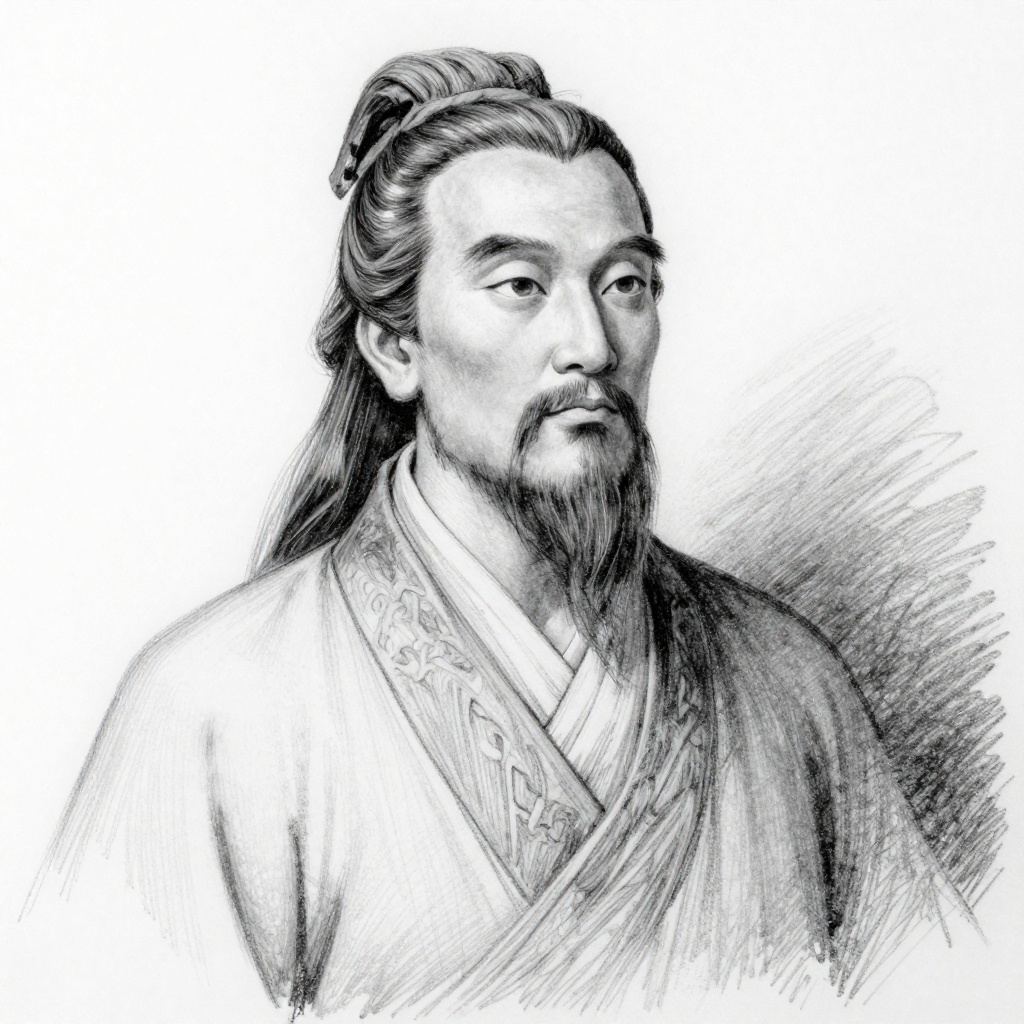
Comments