Quote · Added 14 February 2026
A superior man is modest in his speech, but exceeds in his actions.
ConfuciusAnalects, Book 15, 2001
No ratings yet
Quote · Added 14 February 2026
There's something quietly powerful about people who don't announce themselves. You probably know someone like this—maybe a coworker who solves problems without fanfare, or a friend who shows up when it matters but doesn't broadcast it. They're the opposite of the modern impulse to document everything, to make sure everyone knows about our efforts and achievements. It's a strange reversal of what social media has trained us to expect.
The tension here feels especially relevant now because we're drowning in talk. Everyone has a platform, a voice, endless space to explain themselves. But the people we actually trust and respect tend to be the ones who let their work speak first. They're not modest out of shyness—it's more that they've figured out that credibility comes from the gap between what you claim and what you deliver. A modest person makes promises they know they can keep, so when they do deliver, it lands harder.
What's almost subversive about this idea is that it flips status. Usually we assume the loudest person is the most important. But Confucius is suggesting that real influence comes from the opposite direction—from people who are comfortable letting their actions accumulate silently before anyone really notices. In a world obsessed with visibility, that's a genuinely radical idea.
d. 479
Confucius was a Chinese philosopher and teacher who lived in the 6th–5th century BC. Known for his ethical teachings, he emphasized personal and governmental morality, proper social relationships, justice, and sincerity. His ideas and philosophy, compiled in the Analects, have had a profound influence on Chinese culture and governance.
Also by Confucius
If you hate someone, then you are defeated by him.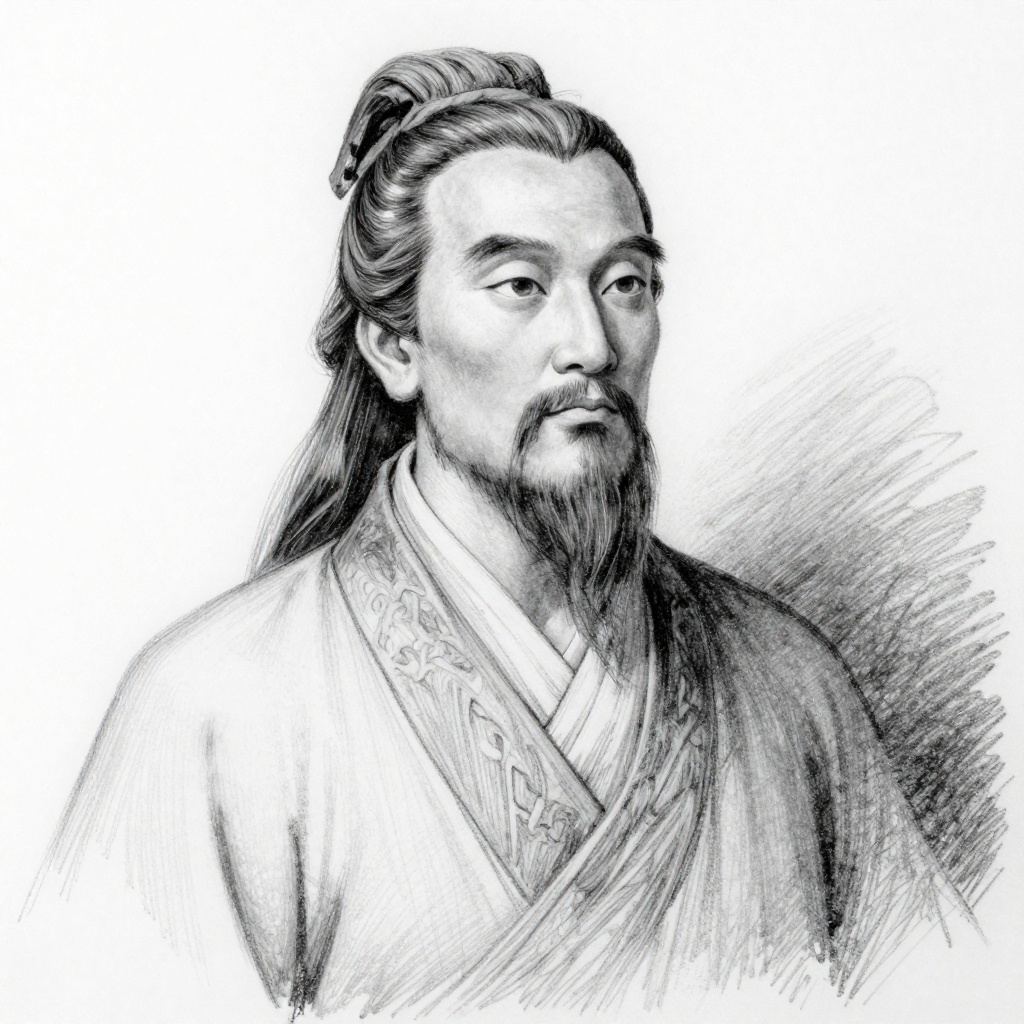
Comments